UK food retailers: lead with 2026's top food trends
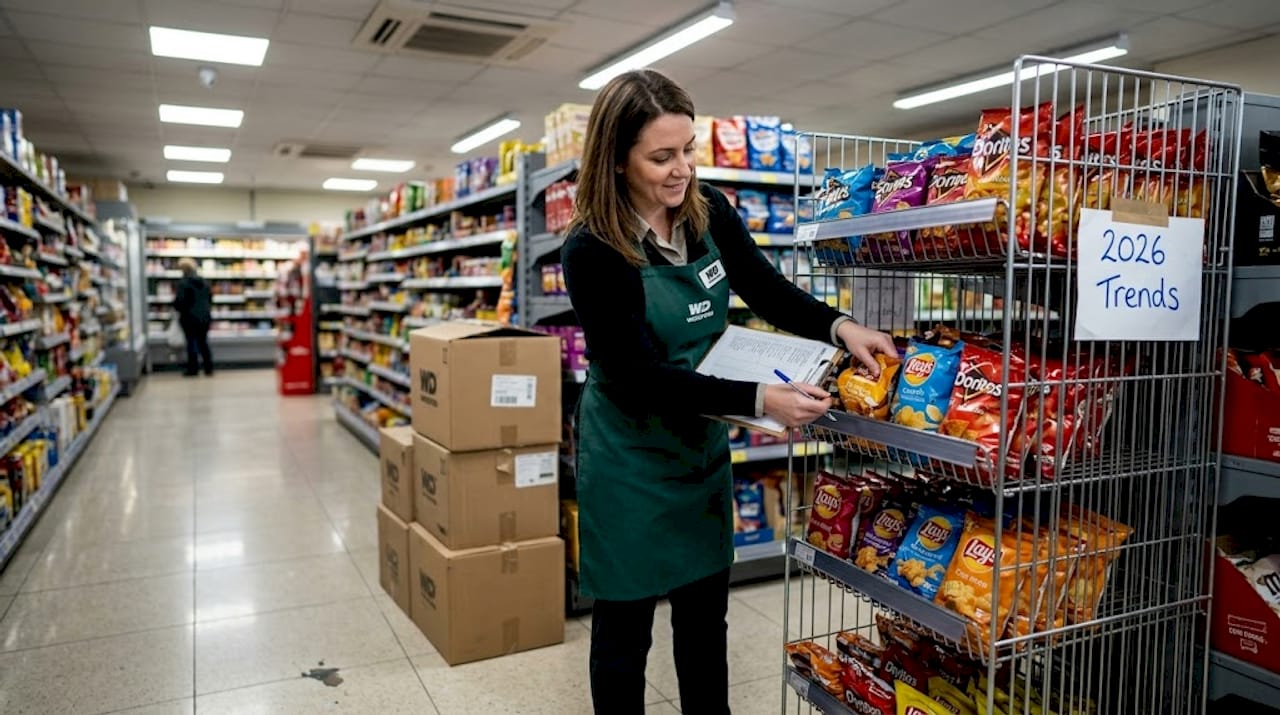
TL;DR:Food trends in 2026 include snackification, functional foods, bold flavors, and clean labels.Independent retailers should select trending products based on market data, fit, supply chain, and customer signals.Balancing innovation with familiar staples and focusing on relevant trends helps build trust and loyalty.
Predicting which food trends will actually move product off your shelves is one of the hardest calls an independent retailer makes. Stock the wrong thing and you’re sitting on dead margin. Miss the right thing and your shoppers find it elsewhere. In 2026, the pace of change is sharper than ever, with snackification, functional foods, bold versus comfort flavours, and clean label demands all competing for shelf space at once. This article breaks each trend down, tells you what’s driving it, and gives you a practical lens for deciding which ones are worth acting on in your shop.
Table of Contents
- How to evaluate emerging food trends in 2026
- Snackification and mini portions: the GLP-1 effect
- Rise of functional foods: protein, fibre and mood boosters
- Flavour revolutions: fricy, global fusion and a comfort roots comeback
- Clean labels, anti-UPF and plant diversity: transparency sells
- What most trend lists miss: blending innovation with the familiar
- Ready to future-proof your shelves?
- Frequently asked questions
Key Takeaways
| Point | Details |
|---|---|
| Snackification dominates | Mini-portions and meal-replacing snacks are essential for 2026’s changing consumer habits. |
| Function-driven demand | Protein, fibre, and mood-boosting foods are experiencing record growth among UK shoppers. |
| Flavour diversity | Both bold global fusions and comfort classics are necessary to satisfy modern palates. |
| Clean label priority | Transparency, plant variety, and anti-ultra-processed choices capture value-driven shoppers. |
| Balance is key | Mixing trend-led innovation with familiar staples secures both new and loyal customers. |
How to evaluate emerging food trends in 2026
Not every trend deserves your shelf space. Before you commit to a new range, run it through a simple set of criteria that separate genuine opportunity from social media noise.
Start with market data. Is the trend growing nationally, and does it resonate locally? A top food trends for 2026 overview shows that snackification and functional foods are backed by strong search volume, retail sales data, and mainstream media coverage — that’s a very different signal from a passing TikTok moment.
Next, consider fit with your offer. Independent retailers have an advantage over supermarkets: you can personalise. When choosing strategic brands, look for products that let you tell a story your local shopper won’t hear in a big-box store.
Then look at practical realities:
- Supply chain: Can you source the product reliably and at a margin that works?
- Shelf life: Short shelf life means higher waste risk, especially for smaller volumes.
- Packaging: Does it fit your display format and appeal to your customer base?
- Customer signals: Are shoppers already asking for it, or buying adjacent products?
- Repeat purchase rate: A trend that drives one-off curiosity buys isn’t as valuable as one that builds loyalty.
Pro Tip: Before committing to a full range, trial a snack bundle or a small mixed bay. Low investment, fast feedback, and zero overstock risk if the product doesn’t land.
Snackification and mini portions: the GLP-1 effect
The biggest structural shift hitting UK food retail in 2026 is snackification. This is the move away from fixed breakfast, lunch, and dinner patterns towards flexible, smaller eating occasions spread across the day. And it’s being accelerated by an unexpected driver: GLP-1 medications like Ozempic, which suppress appetite and dramatically reduce portion sizes for a growing segment of the population.
57% of Waitrose customers now replace at least one traditional meal with a snack. That is not a niche behaviour — it is a mainstream shift.
UK healthy snacking sales rose 39% between 2023 and 2024, confirming this isn’t a blip. Shoppers are building their own meal structures, and they want products that fit those structures: portable, portioned, nutritious, and satisfying.
“Snackification is fundamentally reshaping how retailers need to think about the shop floor. It’s no longer about meal occasions — it’s about energy occasions.” — Food retail analyst, 2025
For independents, the opportunity is real but so are the risks:
Benefits for independents:
- Higher basket frequency as shoppers return for snack top-ups
- Easier ranging for small shop formats
- Premium pricing opportunities on curated snack bundles
- Stronger brand storytelling around health and convenience
Risks to manage:
- Fragmented purchasing can reduce average transaction value
- Short shelf life on some healthy snacks increases waste
- The category is crowded — differentiation matters
Pro Tip: Curate snack combinations that speak to specific dietary needs — high protein for gym-goers, low sugar for GLP-1 users, fibre-rich for digestive health. Adapting your range around these sub-groups is where the real margin sits.
Rise of functional foods: protein, fibre and mood boosters
As snacking evolves, so too does what consumers want from those snacks. Shoppers are no longer satisfied with a snack that just fills a gap. They want it to do something. This is the functional food trend, and it’s growing fast.
Functional foods are products that offer a specific health benefit beyond basic nutrition. That covers a wide territory:
- High protein: Bars, yoghurts, and savoury snacks with added protein
- High fibre: Crackers, cereals, and snack packs designed to support gut health
- Probiotics: Kombucha, kefir, and fermented foods supporting the gut microbiome
- Mood-boosting: Adaptogen drinks, magnesium-enriched snacks, and products with stress-relieving botanicals
The numbers are striking. Ocado fibre snack searches rose by 2,578% in the past year. That is not a rounding error — it reflects a profound shift in what shoppers are actively looking for.
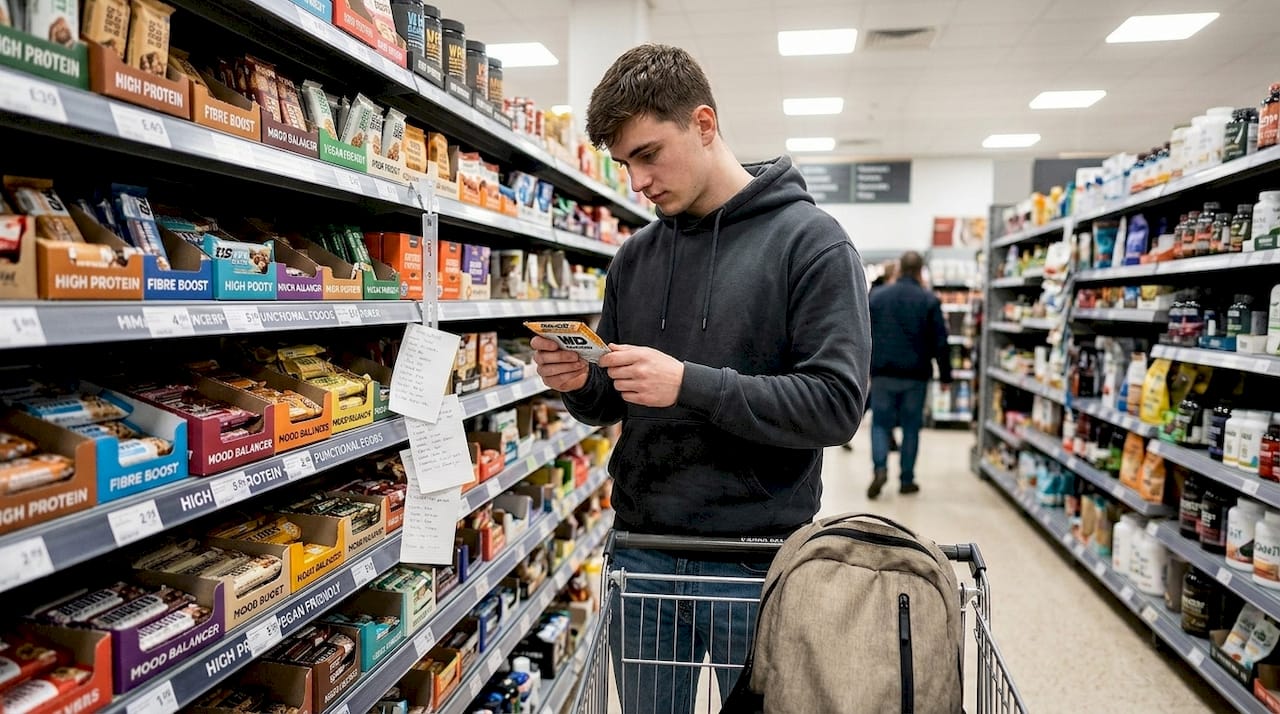
| Category | Growth driver | Shelf opportunity |
|---|---|---|
| High protein | Gym culture, GLP-1 users | Premium bars, pouches |
| High fibre | Gut health awareness | Crackers, seeds, cereals |
| Probiotics | Microbiome science | Kombucha, kefir, yoghurt |
| Mood boosters | Stress and sleep focus | Adaptogen drinks, gummies |
For independents, the shelf play is straightforward: stock products with clear, credible claims on the front of pack. Shoppers in this space are informed and sceptical. Align your range with a clear functional brand strategy and communicate benefits simply — on shelf labels, in social posts, and in staff conversations.
Flavour revolutions: fricy, global fusion and a comfort roots comeback
Now that we’ve explored the format and purpose of food, let’s turn to taste itself. What’s exciting UK palates in 2026 is a genuine tension between bold, global flavours and deeply familiar British comfort.
The word you’ll hear most is fricy, a portmanteau of fruity and spicy. Chamoy sales are up 64%, yuzu kosho up 28%, and Tajín searches are surging alongside the rise of ‘spour’ cocktails (spicy-sour). These aren’t just restaurant trends — they’re crossing into retail snacks, condiments, and beverages at speed.
At the same time, comfort is making a comeback. 94% of UK adults eat jacket potatoes at least weekly. Cabbage is up 110% on Pinterest. Burnt butter is having a genuine moment. Heritage British flavours are being rediscovered, often with a craft or artisan angle.
| Flavour direction | Pros | Risks | Best audience fit |
|---|---|---|---|
| Fricy and global fusion | High novelty, premium pricing | Polarising, unfamiliar | Food-curious, younger shoppers |
| Heritage and comfort | High repeat purchase, broad appeal | Lower excitement factor | Loyalists, family shoppers |
How to blend both into your range:
- Anchor your range with bestselling comfort staples — they anchor footfall
- Add two or three fricy or fusion products to a dedicated ‘new in’ or ‘world flavours’ bay
- Use clear signage to frame adventurous products for curious shoppers without overwhelming others
- Rotate the bold lines seasonally so there’s always something new to discover
Clean labels, anti-UPF and plant diversity: transparency sells
Dramatic flavours aside, consumer values are shifting behind the scenes — especially towards transparency and plant diversity. This is the quiet trend that’s reshaping purchasing decisions without making headlines.
Ultra-processed foods (UPFs) are products made with industrial ingredients rarely found in a home kitchen: emulsifiers, flavour enhancers, stabilisers. The scientific and media scrutiny of UPFs has reached mainstream awareness, and it’s driving real behaviour change. 38% of UK consumers now actively prioritise natural, unprocessed foods when shopping.
For independents, this is genuinely good news. You already have an authenticity advantage over supermarkets. Here’s how to capitalise:
- Stock short ingredient lists: If a product has more than five or six ingredients, question whether it fits this trend
- Highlight provenance: British-sourced, locally produced, and craft brands carry huge credibility in the anti-UPF space
- Support the 30 plants goal: Consumers are aiming to eat 30 different types of plants per week for gut health. A well-curated produce, grain, and snack section can support this directly
- Use shelf education: Simple shelf talkers explaining what’s in a product — and what isn’t — convert browsers into buyers
- Train your team: A staff member who can explain why a product is clean label is worth ten marketing emails
Shoppers seeking natural food options are often your highest-value customers. They read labels, they ask questions, and when they trust you, they come back consistently.
What most trend lists miss: blending innovation with the familiar
Here’s the uncomfortable truth that most 2026 trend articles won’t tell you: chasing novelty uncritically is one of the fastest ways to damage trust with your loyal shoppers.
We’ve seen it repeatedly. A retailer clears out half their ambient section to make way for the latest trending format, and their regulars feel alienated. The new product doesn’t sell fast enough to replace the lost footfall, and suddenly the trend has cost real margin.
Growth through smart trend adoption looks different. It means keeping your backbone steady: the products your regulars rely on, the flavours they associate with your shop, the reliability that makes an independent worth choosing over a supermarket. Then rotate one shelf for newness. One dedicated space for experimentation, clearly labelled, regularly refreshed.
The most successful independents we work with don’t try to be everything. They pick two or three trends that genuinely fit their customer base, execute them with conviction, and let that focus do the talking. Fricy flavours might be perfect for a shop near a university. Functional snacks might be the right call near a gym or a health centre. Know your shopper, and let that knowledge filter the noise.
Ready to future-proof your shelves?
Putting these trends into action is easier with the right partners behind you. At Woodford, we work directly with UK independent retailers to source the brands that match exactly where consumer demand is heading in 2026. Whether that means high-protein snacks, clean label staples, or bold fusion flavours, we make the sourcing and logistics straightforward so you can focus on your shop floor. Browse our brands to see what’s available right now, check our current promotions for trending lines at competitive prices, or get in touch to talk through how to align your range with 2026’s growth drivers.
Frequently asked questions
What is snackification and why is it trending in 2026?
Snackification is the shift from fixed meals to flexible snacks and mini-portions, driven by changing lifestyles and medications like GLP-1. It’s a major trend because 57% of Waitrose customers already replace meals with snacks, making it a mainstream retail opportunity.
Which functional foods are most in demand?
High-protein, high-fibre, probiotic, and mood-boosting products are the strongest performers. The scale of demand is clear: fibre snack searches on Ocado rose by 2,578%, pointing to a deep, sustained consumer shift rather than a passing interest.
How can independents balance innovative and classic trends?
Keep your core range stable with well-loved comfort products, then trial fricy or functional lines in a dedicated bay. Jacket potatoes eaten weekly by 94% of UK adults is a reminder that familiar wins repeat visits even as novelty attracts new ones.
What is the 30 plants trend?
The 30 plants goal is a health framework where consumers aim to eat 30 different types of plants each week to support gut diversity. Retailers can tap into this by stocking a wide variety of grains, seeds, legumes, and produce, aligned with the 38% of shoppers already prioritising natural, unprocessed foods.
Recommended
- How to conduct trend analysis for UK food brands in 2026 - WOODFORD - Bringing quality foods your way
- Food logistics tips for UK independent retailers in 2026 - WOODFORD - Bringing quality foods your way
- Food brand strategy drives UK retail success in 2026 - WOODFORD - Bringing quality foods your way
- Why adapt to food trends: boost independents’ growth - WOODFORD - Bringing quality foods your way
- Restaurant marketing trends for explosive growth in 2026 | Sorbey Blog | Sorbey