Multipack food distribution: UK retailer guide 2026
TL;DR:Multipack food distribution involves complex logistics from manufacturer to shelf, beyond just buying in bulk.Premium multipacks are growing rapidly, offering higher margins and consumer appeal, while economy formats decline.Success depends on strategic format selection, sustainable packaging, digital ordering, and adapting to market shifts.
Multipack food distribution is widely misunderstood as simply buying products in bulk. In reality, it encompasses the entire journey from manufacturer to shop shelf, including co-packing, warehousing, wholesale logistics, and compliance with increasingly complex UK regulations. For independent retailers and food brand owners, getting this right is the difference between growing your margin and losing ground to the supermarkets. This guide cuts through the noise, explains how the system actually works, and gives you practical strategies to make multipack distribution a genuine growth lever for your business.
Table of Contents
- What is multipack food distribution?
- How multipack food distribution works: from packer to retailer
- Market trends and challenges in UK multipack distribution
- How retailers and brands can optimise multipack distribution
- Why thinking beyond ‘bulk deals’ is crucial for modern multipack distribution
- Partner with experts to power your multipack food growth
- Frequently asked questions
Key Takeaways
| Point | Details |
|---|---|
| Growth in premium packs | Premium multipacks are leading UK market growth and offer greater margins to retailers. |
| Sustainability matters | Switching to recyclable packaging like cardboard cuts plastic use and helps with UK compliance. |
| Wholesale drives access | Wholesalers and cash & carry connect brands and stores, powering distribution and exclusive promotions. |
| Digital adoption is key | Embracing digital technology in wholesale ordering boosts access and competitiveness for independents. |
What is multipack food distribution?
Multipack food distribution refers to the supply chain logistics and wholesale methods for distributing multipack food products from manufacturers to independent retailers and other outlets across the UK. It covers far more than shifting pallets of crisps. It includes product format decisions, packaging selection, logistics planning, and the wholesaler relationships that determine which products actually reach your shelves.
The most common multipack categories in UK retail are:
- Snacks and crisps (multipacks of 6, 12, or 24 individual bags)
- Beverages (beer, soft drinks, and energy drinks in four-packs and eight-packs)
- Chilled foods (meat, cheese, and dairy in twin or five-packs)
- Confectionery (sharing bags and gift formats for seasonal and impulse purchases)
Not all multipack formats are equal in terms of margin or shopper appeal. Here is a quick comparison of the main format types:
| Format type | Typical margin | Shopper appeal | Best suited for |
|---|---|---|---|
| Premium carton multipacks | High | Strong | Independents seeking differentiation |
| Economy plastic multipacks | Low | Price-sensitive shoppers | High-volume, low-margin outlets |
| Exclusive wholesale formats | Very high | Loyalty and discovery | Convenience and specialist stores |
| Mainstream supermarket packs | Variable | Broad | Symbol groups and forecourts |
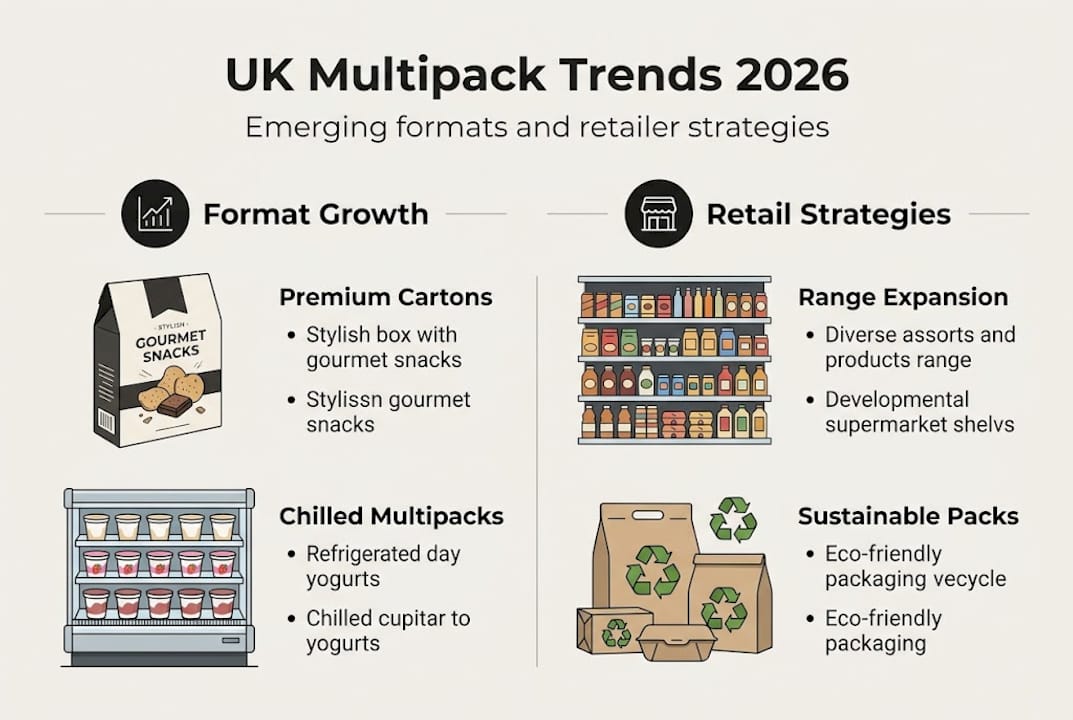
The numbers tell a compelling story about where the market is heading. Premium 440ml multipacks are growing at +13.9%, while economy formats are declining by 5.1%. For independent retailers, this is not just a trend to note; it is a clear signal about where the growth opportunity sits.
Understanding UK food logistics is equally important because format decisions and logistics decisions are deeply intertwined. Choosing the wrong pack size or format can create warehouse inefficiencies, waste, and lost sales all at once.
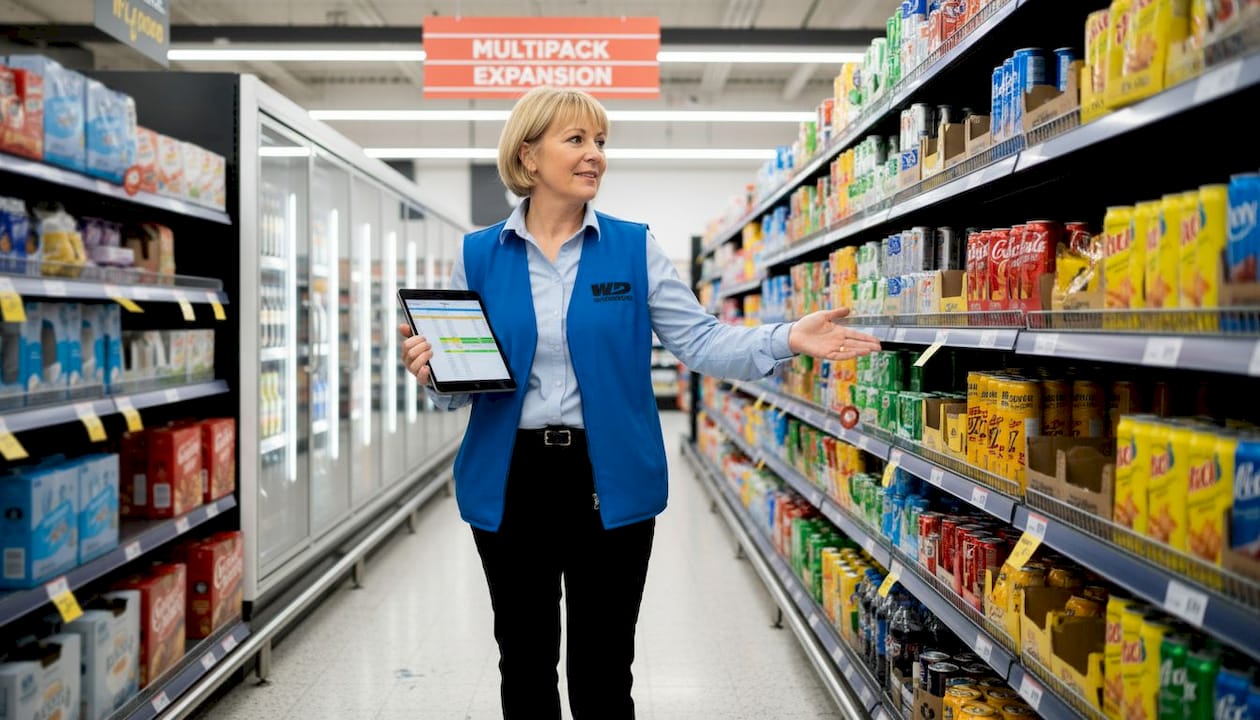
The Tesco chilled aisle multipack expansion demonstrates that even major retailers are actively broadening multipack ranges, which signals sustained category growth. For independents, this means the opportunity is real, but so is the competition.
How multipack food distribution works: from packer to retailer
Understanding the flow from factory to shop shelf helps you identify where inefficiencies creep in and where your negotiating power lies. The end-to-end process involves several distinct stages, each with its own cost implications and compliance requirements.
Here is how a typical multipack product moves through the chain:
- Co-packing and production The brand commissions a co-packer to assemble individual units into multipack formats, applying shrink-wrap, cartonboard, or recyclable sleeves.
- Palletisation Finished multipacks are stacked and wrapped onto pallets, optimised for storage density and transport efficiency.
- Warehousing Products are held in ambient or chilled warehouses depending on category requirements, with strict temperature controls for chilled multipacks.
- Pick-and-pack fulfilment Wholesale orders are assembled by picking individual SKUs from warehouse locations and packing mixed pallets or cases for delivery.
- Delivery via wholesaler or cash and carry Products reach independent retailers either through delivered wholesale or by retailers collecting from cash and carry depots.
One of the biggest shifts in this process is the move toward sustainable packaging. Walkers’ cardboard packaging transition is a well-documented example, where co-packing decisions directly improved pallet efficiency and reduced material costs alongside environmental benefits.
For chilled multipacks, temperature control is non-negotiable. Cold chain failures not only create food safety risks but also result in significant product waste. Working with wholesalers who have dedicated chilled infrastructure is essential if you want to stock products in this growing category.
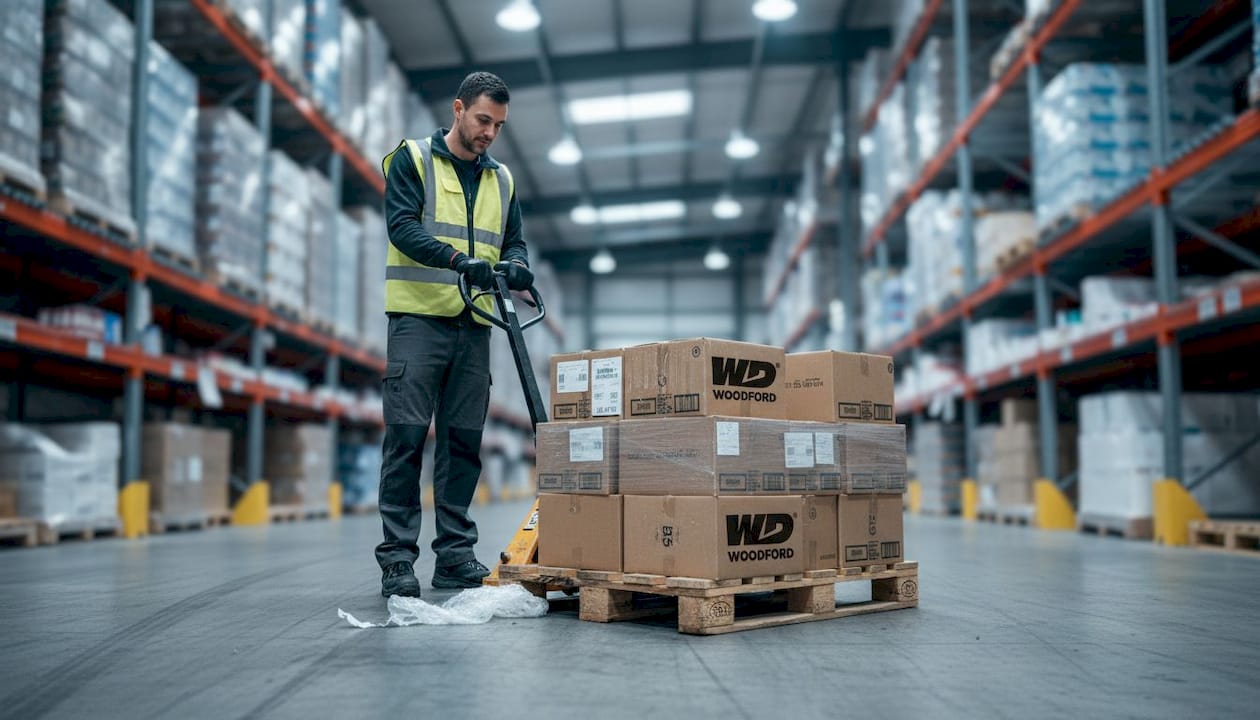
The role of promotions in the distribution process is often underestimated. Wholesalers regularly run price-marked multipack promotions and strategic brands for independents are frequently launched with exclusive wholesale-only formats to drive retailer loyalty and consumer interest.
Pro Tip: Partner with co-packers that use recyclable packaging from the outset. This not only reduces your compliance burden under UK Extended Producer Responsibility rules but can also lower your overall packaging costs as volumes scale.
Actioning the right food logistics tips at each stage of this process can meaningfully reduce your cost per case and improve your in-stock rates, which directly protects your footfall and margin.
Market trends and challenges in UK multipack distribution
The multipack category is not static. It is being reshaped by regulatory pressure, shifting consumer values, and the relentless march of digital wholesale platforms. Knowing where the market is moving gives you a genuine advantage over competitors who are simply reacting.
The major forces currently driving the UK multipack market include:
- Premiumisation Shoppers are trading up to better quality formats, particularly in beverages and chilled foods
- Sustainability Recyclable and cardboard-based packaging is becoming the standard, not the exception
- Digitalisation Wholesale ordering platforms are replacing traditional cash and carry visits for many independents
- Chilled category growth Chilled multipacks are outpacing ambient in volume growth across convenience channels
- HFSS compliance High fat, sugar, and salt regulations are reshaping promotional mechanics for snack and confectionery multipacks
The sustainability trend is particularly significant. UK EPR regulations from 2025 are placing financial responsibility for packaging waste on producers and, increasingly, retailers. Choosing multipack products with compliant, recyclable packaging is not just good ethics; it is good commercial sense.
Premium multipacks growing +13.9% while economy packs decline by 5.1%, and Walkers’ cardboard switch removes 250 tonnes of plastic from the supply chain every year.
For independent retailers specifically, the challenge is that supermarkets and symbol groups have structural advantages in buying power and ranging. The top 30 wholesaler report highlights that even the largest wholesalers are under margin pressure, which cascades down to the retailer level.
The smarter response is not to compete on price but to out-curate the multiples. Stocking exclusive formats, premium ranges, and sustainability-forward brands that supermarkets do not carry gives independents a genuine reason for shoppers to choose them. Food brand strategies built around this logic consistently outperform pure price plays in independent retail.
Staying ahead of category shifts requires continuous trend analysis for food brands, particularly as new formats emerge in snacking, functional beverages, and chilled proteins.
How retailers and brands can optimise multipack distribution
Translating market insight into operational action is where most retailers and brand owners struggle. The gap between knowing the trends and actually changing your buying or distribution strategy is significant, but bridgeable with the right framework.
Start with format selection. Not all multipacks deserve shelf space. To prioritise higher-margin, premium multipack ranges, independent retailers should focus on co-packing formats and sustainable packaging that align with current shopper expectations. Products that are exclusive to the wholesale channel also give you a genuine point of difference that supermarkets simply cannot match.
Practical optimisation steps for independent retailers and brand owners:
- Range review Audit your current multipack range by segment (premium, value, chilled) and drop underperformers
- Digital ordering Move to a digital wholesale platform to reduce order errors and access promotional pricing faster
- Sustainable packaging Prioritise suppliers using recyclable or cardboard-based multipack formats
- Exclusive formats Source wholesale-exclusive multipacks that give your store a differentiated offering
- Promotional alignment Time your multipack orders to coincide with wholesaler promotional cycles for maximum margin benefit
Here are three steps to improve your supply chain efficiency specifically:
- Map your current flow Identify every handoff point from manufacturer to shelf and calculate where delays or cost spikes occur most frequently.
- Consolidate your suppliers Reducing the number of wholesale partners you use for multipack categories improves order efficiency and gives you stronger volume leverage for negotiations.
- Review performance monthly Track sell-through rates, waste levels, and margin by category to identify which multipack formats are genuinely working for your store.
The UK convenience wholesale market is increasingly digital, and retailers who embrace this shift are gaining meaningful advantages in speed, accuracy, and promotional access.
Exploring a broader range of distribution channels can also reveal opportunities that purely cash and carry dependent businesses miss entirely. And adapting to food trends consistently is what separates retailers who grow from those who simply survive.
Pro Tip: Review your performance quarterly by segment (premium, value, chilled) and not just by total category sales. Segment-level insight reveals where your margin is actually coming from and where to double down.
Why thinking beyond ‘bulk deals’ is crucial for modern multipack distribution
Here is an uncomfortable truth: most independent retailers still approach multipack buying as a price exercise. Which wholesaler is cheapest this week? Who has the best deal on case price? That logic made sense ten years ago. In 2026, it leaves serious money on the table.
The retailers and brands genuinely winning in multipack distribution today are not the ones with the lowest cost per unit. They are the ones who have aligned their multipack strategy with packaging compliance, digital wholesale partnerships, and premium-driven margin growth. These are the levers that most independents overlook completely.
Sustainability mandates are tightening. Digital wholesale is accelerating. And consumer appetite for premium, exclusive formats is growing faster than the category overall. A brand strategy for retailers that accounts for all three of these forces simultaneously is what defines a market leader in this space. The retailers who adapt to regulatory and consumer shifts quickly will hold that advantage for years. Those who wait will find the gap increasingly difficult to close.
Partner with experts to power your multipack food growth
At Woodford, we work with ambitious independent retailers and forward-thinking food brands every day, helping them navigate exactly the kind of complexity this article describes. Our multipack distribution solutions are built around exclusive formats, trend-led curation, and logistics that actually work for the independent channel. Whether you are looking to refresh your multipack range, access sustainable premium brands, or simply make your supply chain less of a headache, we can help. Browse our curated brand portfolio to see what is available right now, and check our current promotions to find deals that make a genuine difference to your margin.
Frequently asked questions
What does multipack food distribution mean for independent retailers?
For independent retailers, multipacks via wholesalers provide reliable access to high-margin, footfall-driving products in ready-to-sell formats, often with exclusive wholesale-only options unavailable in supermarkets.
How do sustainability trends impact multipack packaging in the UK?
Sustainable packaging such as recyclable cardboard reduces plastic waste and helps retailers and brands meet UK EPR compliance requirements. Walkers’ cardboard switch eliminates 250 tonnes of plastic annually and improves pallet efficiency.
Why are premium multipacks important for growth?
Premium multipacks are growing at +13.9% versus economy formats declining at 5.1%, making them a clear margin and volume opportunity for retailers willing to invest in the right range.
What challenges do independent retailers face with multipack food distribution?
The main challenges include pricing pressure from supermarkets, HFSS regulatory compliance affecting promotional mechanics, and competition from symbol groups with stronger buying power than most independents can access alone.
Recommended
- Food logistics tips for UK independent retailers in 2026 - WOODFORD - Bringing quality foods your way
- Navigating UK food logistics for wholesalers in 2026 - WOODFORD - Bringing quality foods your way
- Food brand strategy drives UK retail success in 2026 - WOODFORD - Bringing quality foods your way
- Strategic food brands for UK independent retailers - WOODFORD - Bringing quality foods your way