How to source exclusive food brands for your UK shop
TL;DR:Independent retailers can differentiate their shops by sourcing exclusive food brands that offer genuine provenance, limited production, or cultural stories. Building strong relationships with local producers, wholesalers, and attending trade shows is essential for maintaining exclusivity and adapting to food trends. Careful testing and product launch strategies, combined with trust-based partnerships, enable independents to create loyal customer bases and protect margins effectively.
Walking into a supermarket and walking into your shop should feel completely different. But if your shelves carry the same recognisable names as every major multiple on the high street, you’re fighting a losing battle on price and convenience. Independent food retailers in the UK have a powerful weapon available to them: the ability to stock brands that shoppers simply cannot find elsewhere. This guide gives you a practical, step-by-step roadmap for identifying, sourcing, and successfully launching exclusive food brands that build genuine customer loyalty and protect your margins.
Table of Contents
- Assess what makes a brand exclusive for your market
- Preparation: Build your sourcing network and toolkit
- Step-by-step: Sourcing through wholesalers and buying groups
- Going direct: Trade shows, local producers, and new brand deals
- Testing, verifying and launching exclusive lines
- A retailer’s perspective: Why true exclusivity starts with relationships
- Find more exclusive brands with Woodford
- Frequently asked questions
Key Takeaways
| Point | Details |
|---|---|
| Define your exclusivity | Tailor your definition of ‘exclusive’ to local demand for provenance, certification, and unique flavours. |
| Build multiple sourcing channels | Combine wholesalers, buying groups, trade shows, and direct local relationships for the widest choice. |
| Test before scaling up | Pilot small quantities and track performance to ensure new brands truly differentiate and drive sales. |
| Sustainability matters | Certifications and regional provenance are key for UK consumers in 2026, especially for trust building. |
Assess what makes a brand exclusive for your market
Before you start contacting suppliers, you need to be precise about what “exclusive” actually means in your particular context. Exclusivity is not a single thing. It varies by location, customer base, and the type of shop you run.
There are broadly four types of exclusivity worth targeting. Regional exclusivity means you stock a brand that competitors in your town or county simply do not carry. Category exclusivity covers a niche product type, perhaps a specific cuisine or dietary range, that no one nearby has properly addressed. Own-label products sourced through wholesalers offer a range that carries your identity or your supplier’s exclusive branding. Trend-led brands are those riding a credible food movement, from fermented foods and adaptogens to hyper-local provenance, before mainstream retailers catch up.
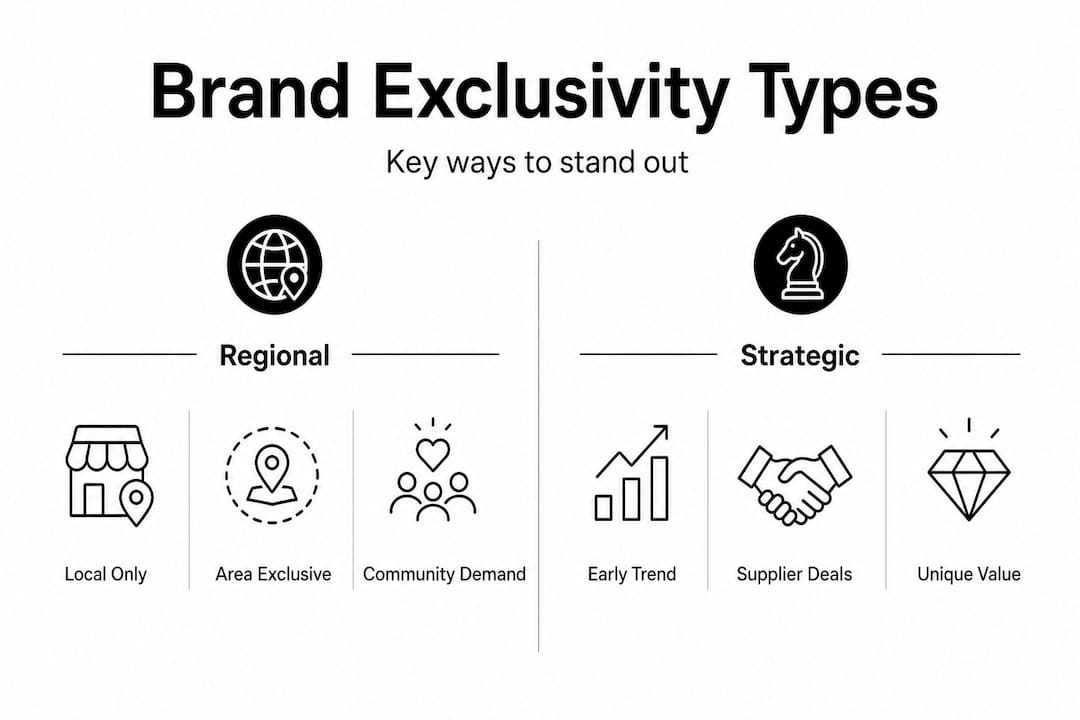
IGD research shows that 46% of UK consumers shop at independents every month specifically for quality, provenance, and sustainability. This is not a fringe audience. These are committed, repeat shoppers who will actively seek you out if you offer something they believe in.
Here are the core exclusivity markers to look for when evaluating a brand:
- Clear provenance story: Made locally, regionally, or with named-farm ingredients
- Certifications: Organic, B Corp, Fairtrade, or Rainforest Alliance status
- Limited production: Small-batch or seasonal runs that create genuine scarcity
- Unique flavour profiles: Products that have no obvious direct equivalent on supermarket shelves
- Cultural or heritage identity: Brands with a strong story rooted in a specific tradition or community
- Sustainability credentials: Recyclable packaging, carbon-neutral production, or regenerative farming ties
Pro Tip: Cross-reference your best-selling lines with customer feedback before approaching new suppliers. If customers frequently ask about provenance or request vegan options in a particular category, that is a live signal telling you exactly where an exclusive brand will land well. Sales data is your most honest research tool.
Understanding adapting to food trends early gives you a window to approach brands before they become over-distributed and therefore less exclusive.
Preparation: Build your sourcing network and toolkit
With clear criteria for exclusivity, your next step is ensuring you have the right connections and systems in place to act quickly when a good brand comes to your attention.
Independent food retailers in the UK primarily source exclusive brands through specialist wholesalers, buying groups, trade shows, direct producer relationships, and local networks. Each channel has a different profile in terms of cost, effort, and the type of exclusivity it delivers.
| Sourcing channel | Effort level | Type of exclusivity | Best for |
|---|---|---|---|
| Specialist wholesaler | Low to medium | Curated, trend-led | Time-poor retailers wanting range depth |
| Buying group | Medium | Own-label, promotions | Volume buyers seeking margin deals |
| Trade shows | Medium to high | Emerging and niche brands | Retailers wanting first-to-market advantage |
| Direct producer | High | True regional exclusivity | Shops with strong local identity |
| Local networks | Medium | Hyperlocal, artisan | Farm shops, delis, community stores |
Beyond knowing where to look, you also need a simple toolkit to manage what you find. A basic supplier database, even a well-organised spreadsheet, helps you track contacts, sample requests, minimum order quantities, and lead times. A certifications checklist ensures you only proceed with brands that meet your quality standards. A sample tracking log means promising products do not disappear into a desk drawer and get forgotten.
Key tools and resources to have ready before you start sourcing:
- A supplier contact database with fields for brand name, category, MOQ, lead time, and certification status
- A sample request template that sets out clearly what information you need from a producer
- A certifications reference sheet listing the standards your shop recognises and promotes
- Access to strategic food brands resources to benchmark what strong, distribution-ready brands look like
- Reliable food logistics knowledge so you can assess whether a direct supplier relationship is genuinely feasible
Relationships matter enormously in this sector. Start building them before you have an immediate need. Send a friendly introductory message to a producer you admire. Attend a local food network event without a shopping list in mind. These early, low-pressure interactions make future commercial conversations far more natural.
Step-by-step: Sourcing through wholesalers and buying groups
With contacts and resources secured, you’ll want to leverage some of the biggest tools available to independents: wholesalers and buying groups.
Unitas Wholesale, with 126 members, The Wholesale Group with £4.5 billion in combined buying power, and FARMA for farm shops and delis are three of the most relevant groups for UK independents. Each offers access to promotions, own-label products, and exclusive deals that individual retailers could never negotiate alone.
Here is a straightforward process for engaging with these groups effectively:
- Research which group fits your shop type. Unitas suits convenience-oriented independents, while FARMA is tailored to artisan and farm retail. Assess the membership criteria and fee structure for each.
- Apply for membership or an introductory meeting. Most groups offer a trial period or an informal conversation before commitment.
- Ask specifically about own-label access. Many wholesalers and groups carry ranges that are unavailable to multiple retailers. Request a catalogue of exclusive or restricted lines.
- Enquire about regional exclusivity agreements. Some groups can negotiate territorial arrangements, meaning your local competitors cannot access the same products.
- Attend member events and buying days. These are where real commercial relationships form and where you will hear about new brands before they are widely promoted.
- Review promotional calendars. Many groups plan themed promotions around seasonal events or food trends. Aligning your exclusive lines with these can amplify their impact significantly.
“Buying groups give independent retailers the collective muscle to access deals that would otherwise be reserved for large supermarket chains. The key is knowing how to ask the right questions once you’re in the room.” This kind of negotiating position is precisely what separates well-organised independents from those perpetually at the mercy of list prices.
Pro Tip: When approaching a wholesaler about exclusivity, always come prepared with your sales volume data from the last 12 months. Suppliers and groups are far more willing to discuss preferential terms when you can demonstrate you are a serious, consistent buyer rather than simply exploring options.
Pairing this with a clear food brand strategy means you can articulate to any supplier exactly why your shop is the right home for their brand.
Going direct: Trade shows, local producers, and new brand deals
After working with established networks, building direct relationships can unlock true uniqueness for your shelves.
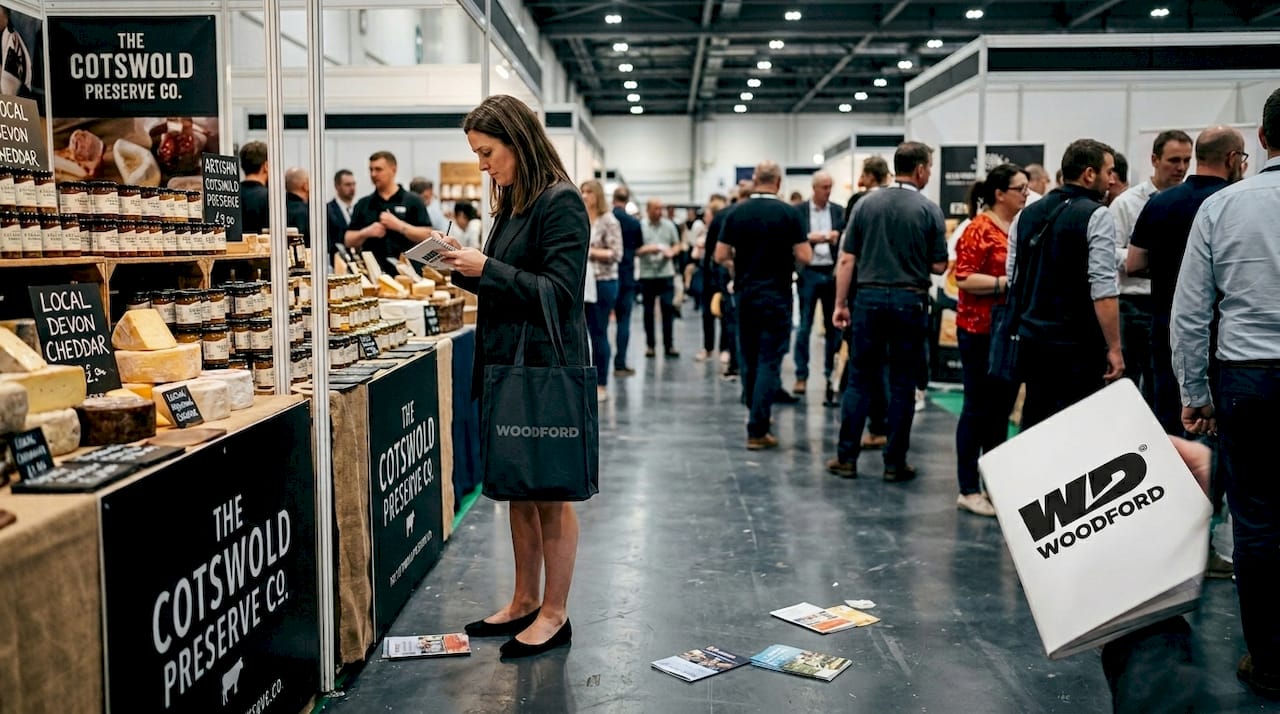
Trade shows such as Speciality & Fine Food Fair and the Artisan Food & Drink Show are essential for discovering brands before they reach the mainstream. Features like Pitch Live specifically connect small producers with independent buyers from delis, farm shops, and regional chains like Booths, making them genuinely useful rather than simply a day out.
| Source | What you find | Best action |
|---|---|---|
| Trade shows | Emerging brands, founders, trends | Collect samples, swap contacts, follow up within 48 hours |
| Local producers | Hyperlocal exclusivity, provenance | Visit in person, trial small volumes first |
| Direct outreach | Underrepresented brands seeking listings | Research brand fit, prepare a compelling pitch |
| Certifications directories | B Corp, Organic, Fairtrade-listed brands | Filter by category and region for targeted sourcing |
When you approach an emerging brand for the first time, follow these steps:
- Research their current distribution. If they are already in twenty supermarkets, they are not exclusive. Look for brands with limited or regional distribution.
- Lead with your shop’s identity. Founders of small food brands care deeply about where their product is sold. Explain your customer base, your values, and why their brand belongs in your shop.
- Request a sample meeting. Visiting in person, or inviting them to yours, signals serious intent. Bring data about your footfall and average basket value.
- Discuss terms openly. Ask about minimum order quantities, payment terms, and whether they are willing to discuss a period of exclusivity within your area.
- Start small and document everything. A first order of modest size with a clear review date gives both parties room to build trust before committing to larger volumes.
Regional stars and small producers identified through industry programmes offer a ready-made shortlist of quality-verified brands with genuine exclusivity potential. Prioritising those with B Corp or Organic certification adds a layer of credibility that resonates powerfully with provenance-focused shoppers.
Pro Tip: When visiting a trade show, book at least three follow-up appointments before you leave the venue. Decision fatigue is real, and the energy of the show creates a positive environment for commitment. Following up two weeks later from behind a desk is far less effective.
Understanding brand acceleration in food will help you spot which small brands have the momentum to genuinely grow with you rather than stall after an initial burst of interest.
Testing, verifying and launching exclusive lines
Securing a promising, exclusive range is just the start. Launching it well makes the critical difference in retail success.
The most effective approach to trialling a new brand is deliberate and structured. Order a small initial quantity, no more than four to six weeks of projected sales, and give it a prominent display position rather than slotting it quietly into an existing fixture. Customers notice placement. A new brand hidden at the back of a shelf will not generate the feedback you need.
Best practices for a successful product trial:
- Train your staff thoroughly. They are your most powerful selling tool. Ensure they can explain the brand’s story, certifications, and what makes it different from anything else in the shop.
- Run in-store tastings. Direct product experience is the single most effective conversion tool available to independents. Even a simple tasting session on a Saturday morning generates disproportionate sales uplift.
- Collect structured feedback. Use a short paper or digital survey, or simply ask at the till. Track both positive responses and objections.
- Monitor repeat purchase rate. A customer buying once is interest. A customer buying three times is loyalty. Repeat purchase is the truest measure of whether an exclusive line has genuine staying power.
- Compare margin performance. Exclusive lines frequently deliver better margins than equivalents from major brands because there is less competitive price pressure. Tracking this rigorously justifies further investment.
According to a practical retailer guide, starting small to test products before scaling orders is the approach most consistently associated with successful independent listings.
Statistic to note: UK independent food retailers who actively curate exclusive ranges report measurably stronger customer retention compared to those competing primarily on price. The differentiation effect is real, and it compounds over time.
Pro Tip: Create a simple performance scorecard for every new exclusive line you trial. Track weekly sales volume, margin percentage, and customer mentions for the first eight weeks. Review it with your buying decisions the following season. Over time, this builds an invaluable body of intelligence about what genuinely works for your specific customer base.
Once a line proves itself through the trial phase, use trend analysis for food brands to project how long the brand’s growth trajectory is likely to last and plan your ranging decisions accordingly.
A retailer’s perspective: Why true exclusivity starts with relationships
Most sourcing guides focus heavily on the transactional mechanics: which trade show to attend, which buying group to join, what contract terms to request. These things matter. But the retailers who build genuinely durable exclusivity over years are not the ones with the best checklists. They are the ones who invest in relationships that competitors cannot easily replicate.
Consider what happens during a supply disruption. When a major branded product goes out of stock for six weeks, every retailer stocking it suffers equally. But an independent with a direct relationship with a local producer can pivot quickly to local sources and maintain supply continuity while competitors scramble. That flexibility is an asset built over years of trust-based connection, not something you can purchase on demand.
The commercial argument for sustainability and provenance is stronger in 2026 than it has ever been. Shoppers are increasingly sophisticated. They can see through greenwashing quickly, and they actively reward genuineness. An exclusive brand with a real story, made by people you have met and whose values align with yours, communicates authenticity that no amount of marketing budget can replicate.
There is also an important point about negotiating power. Retailers who approach new brands with data, a clear shop identity, and a track record of growing smaller producers earn a level of respect that changes the commercial conversation entirely. Exclusive territorial arrangements, preferred pricing, co-marketing support, and early access to new product development are all outcomes that flow from being seen as a trusted partner rather than simply a listing opportunity.
The uncomfortable truth is that exclusivity sourced purely through transactional channels is fragile. A competitor can join the same buying group, attend the same trade show, and list the same brand within months. What they cannot replicate is the two-year relationship you have built with a local cheesemaker, or the mutual loyalty you have developed with a small-batch sauce brand you championed before anyone else believed in them.
Explore strategic food brands thinking to understand how the most resilient independents frame their sourcing decisions around long-term partnership rather than short-term product acquisition.
Find more exclusive brands with Woodford
If you are ready to strengthen your range with brands that genuinely set your shop apart, Woodford is the strategic partner built specifically for independent retailers like you. We curate a portfolio of trend-led, exclusive food brands and handle the logistics, so you can focus on what you do best: serving your customers brilliantly. Browse our brands to discover ranges you will not find in the major multiples, and check our current promotions for competitive pricing on lines that are ready to perform in your shop immediately. Our team is here to help you source with confidence and build a range your customers will keep coming back for.
Frequently asked questions
What are the benefits of sourcing exclusive food brands for my shop?
Sourcing exclusive brands sets you apart from competitors, attracts loyal customers seeking uniqueness, and boosts margins because there is less direct price competition. 46% of UK consumers already shop at independents for quality and provenance, meaning the demand is already there.
How do buying groups help me source exclusive products?
Buying groups give you access to special promotions, own-label products, and exclusive deals unavailable to individual retailers. Groups like Unitas Wholesale with 126 members and The Wholesale Group with £4.5 billion in buying power negotiate terms no single independent could achieve alone.
What events are best for finding new exclusive brands?
Trade shows including Speciality & Fine Food Fair and the Artisan Food & Drink Show are top choices, offering direct access to founders and emerging brands before they gain wide distribution.
How can I test a new exclusive brand safely?
Start with a modest first order, run an in-store tasting, and track repeat purchase rate for the first eight weeks. Starting small to test before scaling is the approach most consistently linked to successful independent listings.
Recommended
- Strategic food brands for UK independent retailers - WOODFORD - Bringing quality foods your way
- Food brand strategy drives UK retail success in 2026 - WOODFORD - Bringing quality foods your way
- What is brand acceleration in food: a guide for UK retailers - WOODFORD - Bringing quality foods your way
- Food logistics tips for UK independent retailers in 2026 - WOODFORD - Bringing quality foods your way
- How to Select Candy Suppliers for Retail Success – Spaceman
- How to sell cakes at local markets UK: 59% boost in sales - The Vanilla Valley