Discover niche food categories to set your shop apart
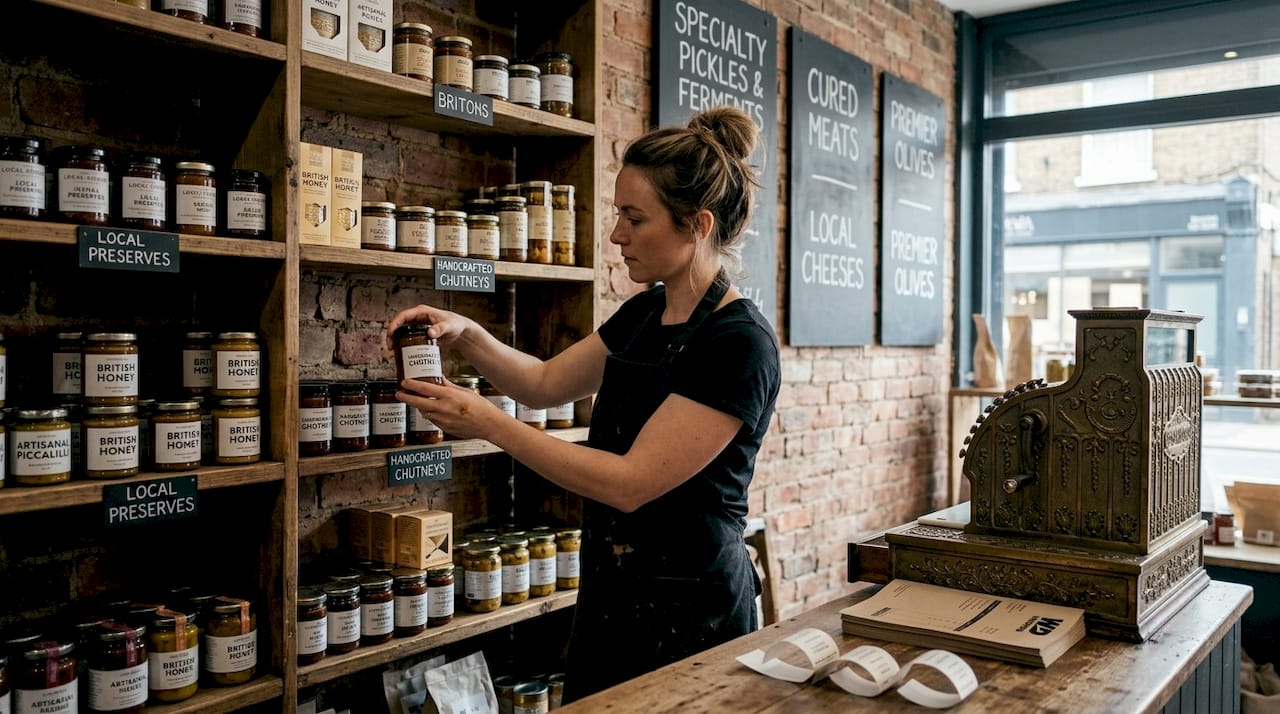
TL;DR:Independent food retailers succeed by stocking niche categories that mainstream supermarkets overlook, building customer loyalty and stronger margins.Niche food categories are defined by serving specific consumer needs, such as ingredient-driven, format-driven, or need-state niches, with examples including artisanal, tinned seafood, and gluten-free products.
Every independent food retailer knows the frustration of watching a carefully chosen product line sit flat on the shelf while supermarkets dominate the same category three aisles wide. The truth is, competing on mainstream lines is a losing strategy for most independents. The retailers who consistently win customer loyalty and strong margins are the ones who stock what the big multiples either can’t or won’t. Niche food categories are where that advantage lives, and this article gives you a practical framework, specific examples, and confidence-building strategies to make smarter ranging decisions.
Table of Contents
- How to define and spot niche food categories
- Ingredient-driven niche categories: Artisanal, truffles, and beyond
- Format and preparation: The rise of tinned and preserved seafood
- Diet and health-driven niches: Free-from bakery and functional snacks
- Premium proteins and charcuterie: Delis and specialist assortments
- How to assess niche food trends confidently
- Why successful retailers combine multiple niche angles
- Explore niche food categories with Woodford
- Frequently asked questions
Key Takeaways
| Point | Details |
|---|---|
| Niche is multi-dimensional | Niche food categories can be defined by ingredient, format, or consumer need, offering multiple ways to specialise. |
| Data-driven selection | Always validate niche category trends with reputable industry data before changing your product mix. |
| Layer your strategies | Combining ingredient, preparation, and health-based niches increases resilience against shifting trends. |
| Focus on your customers | Tailor your selection to local and loyal shoppers rather than chasing generic trends. |
How to define and spot niche food categories
A niche food category is any segment that serves a specific, well-defined consumer interest that mainstream supermarkets underserve. That definition sounds simple, but the nuance matters enormously in practice.
Niche categories typically fall into one of three structural types. First, ingredient-driven niches are built around a distinctive raw material such as truffles, heritage grains, or cold-pressed single-estate oils. Second, format-driven niches centre on how food is processed, packaged, or preserved, such as tinned fish, fermented condiments, or freeze-dried produce. Third, need-state niches are organised around what the consumer requires from the product, such as allergen-free, high-protein, or low-FODMAP options.
Examples of niche food categories include artisanal and specialty foods, truffle products, and tinned seafood. What links these is specificity. A supermarket buyer has to justify shelf space to a category of millions. You don’t. That difference is your structural advantage.
- Ingredient-led: Truffle-infused products, single-origin cacao, heritage-breed lards, regional honeys
- Format-led: Tinned and jarred seafood, naturally fermented pickles, cold-pressed oils, shelf-stable broths
- Need-state-led: Gluten-free bakery, dairy-free confectionery, high-protein snacks, low-sugar preserves
“The most commercially successful independent food retailers are those who understand their community’s appetite and then find the products that no one else in the postcode stocks.” — Trade insight from independent retail consultants at Speciality & Fine Food Fair
Pro Tip: “Niche” is relative to your specific customer base. What counts as obscure in a supermarket might be considered standard fare at your counter. Always calibrate your interpretation of “niche” against your existing loyal shoppers, not the national average.
Choosing the right niche is much easier when you already work with strategic food brands that understand the independent retail landscape and the communities it serves.
Ingredient-driven niche categories: Artisanal, truffles, and beyond
Ingredient-led niches have historically delivered the strongest emotional connection with shoppers because the ingredient itself tells a story. Provenance, rarity, and craft are potent selling tools when your staff can explain them.
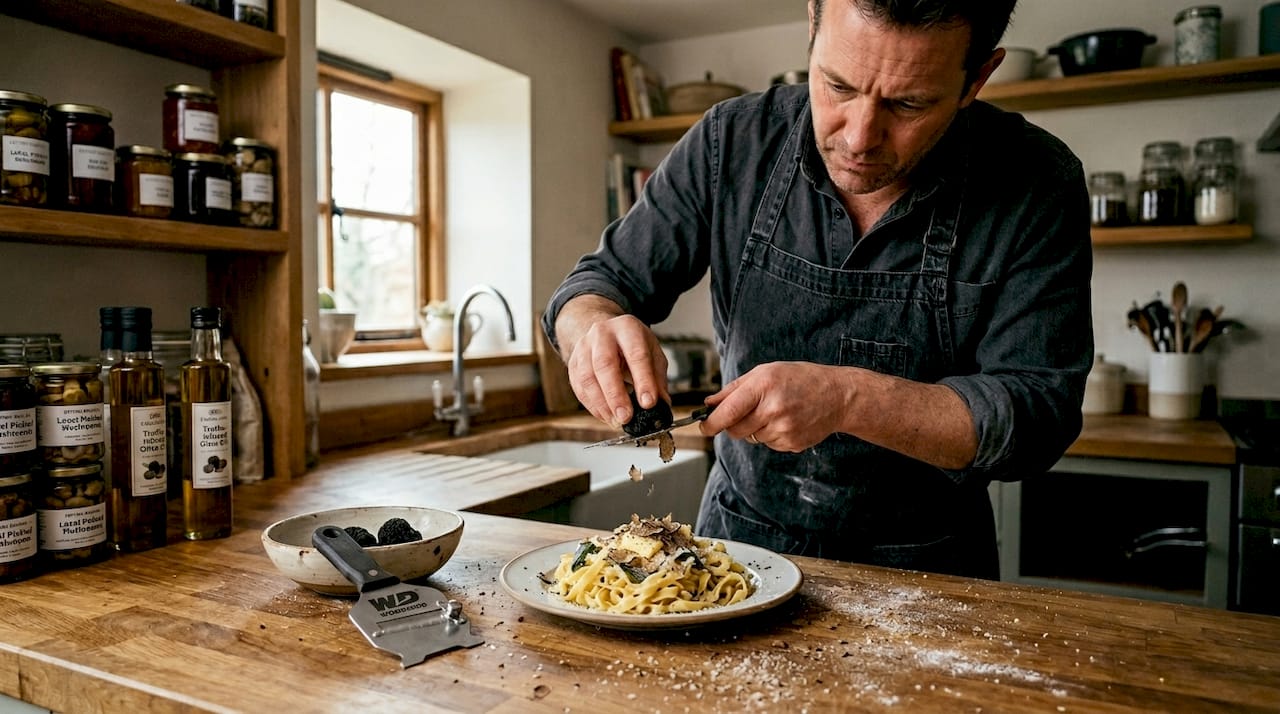
Artisanal and specialty foods and truffle products are among the most commercially promising ingredient-led niches for UK independents right now. Brands such as TruffleHunter have built a national presence on the back of premium oils, salts, and condiments that sit at accessible price points while still carrying considerable margin. A jar of truffle salt costs a fraction of fresh truffle but delivers the same luxury association at the shelf.
Why does provenance matter so much here? Because the story is the product. A customer buying a truffled charcuterie spread doesn’t just want a condiment. They want something they can talk about at dinner. That social value translates directly into repeat purchasing and gifting behaviour.
Key ingredient-led niche segments worth considering:
- Aged and artisan cheeses from small British creameries
- Air-dried and cured meats from heritage breeds
- Regional preserves, chutneys, and fruit cheeses
- Single-estate and monovarietal olive oils
- Specialist honey, including raw and creamed varieties
- Truffle-infused condiments, oils, and snacks
Retailers stocking premium ingredient-led lines consistently report higher basket values than those relying on commodity products. The margin structure on artisanal and specialty items often exceeds 40 to 50 per cent, compared with 15 to 25 per cent on standard grocery.
Pro Tip: Partner directly with small-batch producers wherever possible. It creates exclusivity that a supermarket genuinely cannot replicate, and it makes your food brand strategy feel coherent rather than random. You can read more about building that kind of food brand strategy to understand how brand narrative supports sales.
One red flag to watch: not all ingredient trends are enduring. Activated charcoal, edible gold, and certain superfood powders peaked quickly and faded. Truffle, artisan cheese, and single-origin products, however, have demonstrated staying power because they are rooted in taste, craft, and culture rather than novelty.
Format and preparation: The rise of tinned and preserved seafood
If one format-led category has surprised even seasoned retailers in recent years, it is tinned and preserved seafood. Tinned seafood, including sardines, anchovies, and shellfish, has become a sought-after niche for independent retailers looking for high-margin, low-wastage product lines.
The growth of this category is driven by several converging trends. Sustainability awareness has made consumers curious about low-impact proteins. Global cuisine influence, particularly from Spain and Portugal, has repositioned tinned fish from “cheap and cheerful” to “affordable luxury.” And the format itself, shelf-stable and visually attractive in premium packaging, makes it almost ideal for independent retail display.
“Preserved and tinned foods are having a cultural moment that goes beyond trend. They connect people to fishing communities, to tradition, and to genuinely sustainable sourcing in a way that fresh fish rarely can.” — Specialty food buyer, London-based fine food importer
| Format | Gross margin potential | Shelf life | Storytelling appeal |
|---|---|---|---|
| Tinned/jarred seafood | High (35 to 55%) | 2 to 5 years | Very high (provenance, sustainability) |
| Fresh fish counter | Variable (20 to 35%) | Days | Moderate |
| Frozen seafood | Moderate (25 to 40%) | 6 to 18 months | Low |
The practical case for tinned seafood is compelling. No chiller required, no daily stock rotation pressure, and the products are genuinely giftable. A curated selection of Spanish conservas or Scottish smoked mussels fits neatly on a counter display and commands a retail price that justifies the margin.
Other preserved and format-led niches worth exploring:
- Jarred pulses and heritage beans from small growers
- Specialist pickled vegetables and lacto-fermented condiments
- Cold-pressed and infused oils in premium formats
- Shelf-stable bone broths and stock concentrates
- Dried and dehydrated mushroom varieties
Efficient stock management is a key advantage of format-led niches. If you are considering how to handle incoming lines without disrupting your existing operation, food logistics tips for UK independents offer practical guidance on receiving, storing, and rotating ambient specialty stock.
Diet and health-driven niches: Free-from bakery and functional snacks
Health and dietary claims represent one of the fastest-growing organising principles in UK food retail. Shoppers are increasingly choosing products based on what they exclude as much as what they contain.
Free-from bakery products are outperforming mainstream equivalents in the UK market, with gluten-free baked goods taking significant share from conventional lines. This isn’t only about coeliac shoppers. A far larger consumer group is choosing free-from products out of preference, lifestyle aspiration, or sensitivity concerns.
| Segment | Estimated UK annual growth | Consumer group | Key driver |
|---|---|---|---|
| Gluten-free bakery | 7 to 9% year on year | Coeliac and lifestyle | Medical need plus wellness trend |
| Functional snacks | 10 to 14% year on year | Active adults 25 to 45 | Protein, adaptogens, gut health |
| Dairy-free confectionery | 8 to 11% year on year | Vegan and intolerant shoppers | Ethical and health overlap |
Steps to build a health and diet-claims niche into your range:
- Identify which dietary need your existing customers most frequently mention or ask about at the counter.
- Research two or three brands per segment with credible certifications such as Coeliac UK accreditation or clearly verified nutritional claims.
- Start with four to six SKUs (individual stock items) to test velocity, ideally in a visible secondary location.
- Track sell-through over eight weeks before expanding. A strong niche will show repeat purchases within the first month.
- Use shelf signage that explains the claim clearly, as free-from and functional products often need a small amount of context to sell confidently.
A strong health-claim proposition is underpinned by genuine certification, clear labelling, and honest communication. A weak one is built on buzzwords with no transparent sourcing or testing behind them. Shoppers in this segment are increasingly sophisticated. They read labels and they notice inconsistency.
Pro Tip: Run a small-scale test before committing to a full category overhaul. Stock a tightly curated selection, promote it actively for one month, and let the sell-through data guide your next decision. Understanding adapting to food trends helps you approach this systematically rather than reactively.
Premium proteins and charcuterie: Delis and specialist assortments
Few niche categories combine storytelling, margin, and experiential retail quite as effectively as premium proteins and artisan charcuterie. For retailers with the right customer base, this segment can anchor an entire shop identity.
Premium specialty proteins, such as heritage-breed meats and artisan charcuterie, are exemplars of a successful UK deli niche. Think air-dried Hereford bresaola, traditionally smoked Cumbrian hams, or Spanish Ibérico sourced through specialist importers. These products attract affluent food lovers, corporate gifting buyers, and event-driven purchasers looking for something genuinely memorable.
“When customers can tell you the name of the farm, the breed of pig, and how the meat was cured, they’re not just buying charcuterie. They’re buying a story they’ll repeat to every guest who eats it. That’s what turns a one-off purchase into a brand-loyal relationship.” — Independent deli owner, Yorkshire
Advantages and operational considerations of this niche:
- Pros: High unit margin, strong gifting demand, natural cross-sell with cheese and condiments, clear differentiation from supermarkets
- Pros: Lends itself to hamper assembly and seasonal trading opportunities
- Considerations: Requires temperature-controlled storage for many lines, staff product knowledge is essential, stock turnover needs monitoring to avoid wastage
- Considerations: Supplier reliability and provenance verification take time to establish
The target customer for heritage charcuterie is typically food-engaged, willing to spend on quality, and highly likely to recommend your shop to others. Gifting purchases, in particular, tend to drive high average transaction values, especially around key trading periods such as Christmas, Easter, and summer celebrations.
Understanding distribution channels for specialty products like these ensures you source from suppliers who can deliver consistently and reliably, not just for the first order.
How to assess niche food trends confidently
Knowing which trends to trust is arguably more valuable than knowing which trends exist. The niche food space attracts a great deal of breathless coverage, and not all of it is grounded in reliable data.
Market figures vary significantly in credibility. Some widely shared statistics originate from press releases issued by brands with a vested interest in inflating category size. Reputable industry and trade reports offer a more reliable baseline for decision-making.
Steps for vetting niche food trend data before changing your range:
- Identify the source. Is it a trade publication, an independent research firm, or a brand’s own marketing material? Weight them accordingly.
- Check the methodology. Good market research states sample size, geography, and time period. Vague claims about “global market value” are rarely useful for UK shelf decisions.
- Cross-reference at least two independent sources before treating a growth figure as fact.
- Speak to your wholesaler or distributor. They see real sell-through data across multiple independent retailers and can offer ground-level intelligence that published reports often miss.
- Test before committing. A small trial order is always more valuable than any forecast.
Pro Tip: Pair your retail intuition with methodical benchmarking. You almost certainly already have a feel for what your customers want. The goal of trend analysis for UK food brands is to give that intuition a rigorous framework, not replace it with spreadsheets.
Why successful retailers combine multiple niche angles
Most advice about niche retailing focuses on picking one direction and going deep. That logic has merit, but the most resilient independent food shops we see are not single-niche operations. They layer ingredient-led, format-led, and need-state categories in a way that feels coherent to the customer but gives the retailer structural protection against any single trend fading.
Think about what that looks like in practice. A shop that stocks artisan charcuterie (ingredient-led), a curated range of tinned fish (format-led), and a well-chosen gluten-free bakery selection (need-state-led) is serving three different customer entry points. The same shopper might tick all three boxes, or three different shoppers each find their reason to visit. Either outcome is commercially stronger than a single-niche bet.
“Category fatigue is real. The retailers who chase one trend hard and then pivot to the next one when it cools down never build the loyal base that makes an independent shop sustainable. The ones who layer thoughtfully do.” — Speciality food sector observer
The risk of trend-chasing is not just about backing the wrong horse. It’s about credibility. Customers notice when a shop feels incoherent, when the range jumps from activated charcoal to CBD to adaptogenic mushrooms without any clear identity underneath it. Layered niches, by contrast, can feel like a genuine curation if the connecting thread (local provenance, premium ingredients, mindful eating) is visible to the shopper.
Start with your most loyal customers and ask yourself which niche layers they would naturally respond to. Test a small addition in a complementary niche, observe the response, and build from there. Working with strategic food brands that have a track record in the independent channel makes it considerably easier to add layers without adding operational complexity.
Explore niche food categories with Woodford
At Woodford, we work exclusively with independent UK retailers to identify, source, and range niche food categories that genuinely move. From truffle condiments and tinned seafood to free-from bakery and artisan charcuterie, our curated portfolio is built around the types of product that supermarkets cannot stock and independents can own. We handle the logistics, manage the supplier relationships, and give you the commercial intelligence to range with confidence. If you are ready to explore what a niche-led strategy could look like for your shop, see our brands to discover the lines available through Woodford, or partner with Woodford to learn how we can support your next category addition from day one.
Frequently asked questions
What defines a niche food category for UK retailers?
A niche food category is a segment with unique ingredients, formats, or consumer needs that mainstream supermarkets do not widely stock. Niche foods stand out for their artisanal, ingredient-driven, or specialist appeal, making them ideal for independent retailers seeking differentiation.
Why is tinned seafood considered a growing niche?
Tinned seafood combines convenience, long shelf life, sustainability credentials, and global flavours that appeal to adventurous and eco-conscious shoppers. Tinned seafood is a sought-after niche because it sits at the intersection of affordability and premium experience.
How can I validate demand for a new niche category?
Pair trend data with insights from reputable industry reports and always test with small orders before committing to full range expansion. Benchmarking trends using established market data ensures your decisions are grounded in evidence rather than hype.
Are health-driven categories like free-from bakery worth considering?
Yes, they are growing faster than conventional equivalents and attract a broad base of health-focused shoppers beyond just those with specific dietary requirements. Free-from bakery is outperforming mainstream equivalents in the UK market and shows consistent year-on-year growth.
Recommended
- Strategic food brands for UK independent retailers - WOODFORD - Bringing quality foods your way
- Why adapt to food trends: boost independents’ growth - WOODFORD - Bringing quality foods your way
- Food brand strategy drives UK retail success in 2026 - WOODFORD - Bringing quality foods your way
- What is brand acceleration in food: a guide for UK retailers - WOODFORD - Bringing quality foods your way