How to identify food trends: a guide for UK retailers
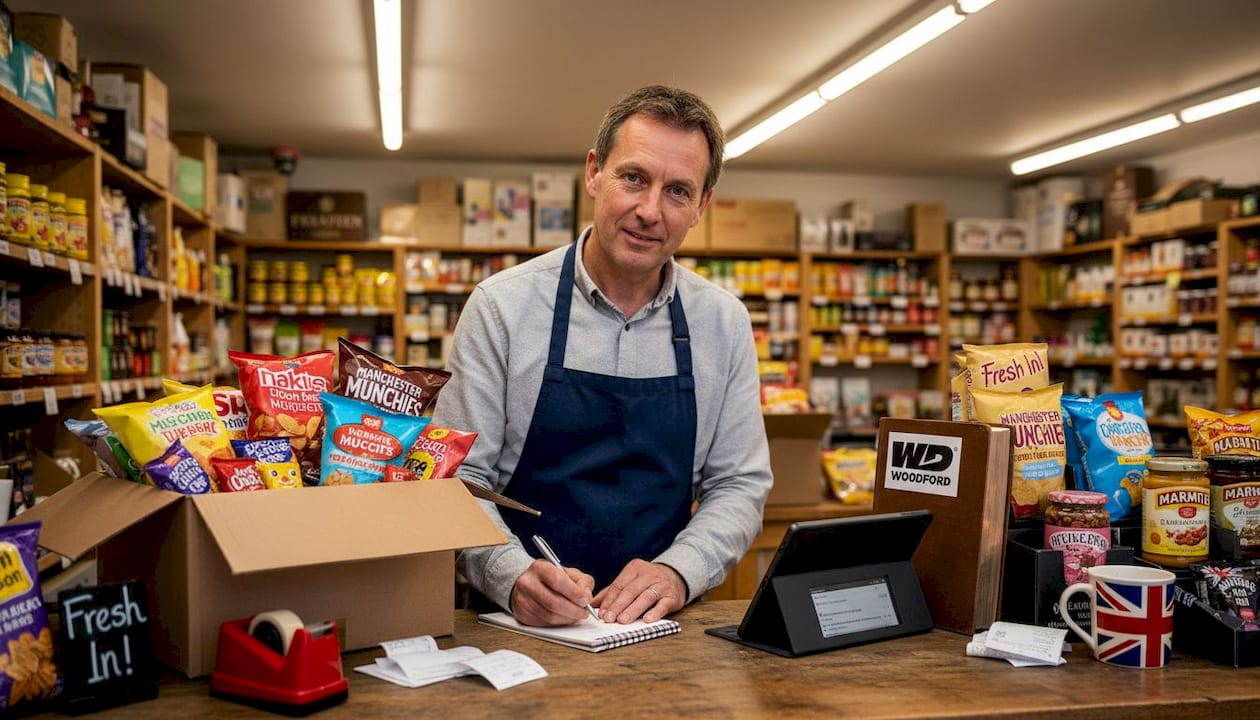
TL;DR:Early trend detection boosts independent retailers’ growth through increased sales, loyalty, and margins.Monitoring sources like social media, sales data, and trade shows regularly helps identify emerging food trends.Consistent customer and staff feedback, combined with small-scale testing, ensures successful trend adoption.
Consumer tastes shift fast, and for independent food retailers and brand owners, missing the next big thing is not just frustrating — it is costly. A product range that felt fresh eighteen months ago can feel stale before you have had a chance to reorder. Yet trend spotting does not have to feel like guesswork or a gamble. With the right method, the right sources, and a consistent routine, any UK independent can identify emerging food trends early enough to act on them profitably. This guide walks you through every step, from preparation through to verification and launch.
Table of Contents
- Understanding the importance of food trends for UK retailers
- Preparing to spot food trends: tools, sources, and groundwork
- Step-by-step process: how to identify emerging food trends
- Verifying and acting on trends: testing, feedback, and staying ahead
- Our perspective: why most retailers overcomplicate food trend spotting
- Take your trend insights further with Woodford
- Frequently asked questions
Key Takeaways
| Point | Details |
|---|---|
| Act early | Spotting food trends swiftly can boost your relevance and profit margin. |
| Use reliable sources | Combining digital tools with real customer insights increases your odds of success. |
| Test before investing | Always pilot new trends on a small scale to minimise risk and maximise feedback. |
| Stay consistent | Review trends regularly to avoid missing out on emerging opportunities. |
Understanding the importance of food trends for UK retailers
Food trends are not simply about novelty. They reflect genuine shifts in how people eat, what they value, and what they are willing to pay for. For independent retailers and brand owners, getting ahead of those shifts is one of the most reliable ways to grow.
When a trend takes hold and your shelves are stocked accordingly, the effect is immediate. Customers notice. They tell others. Repeat visits follow. Boosting growth with food trends is not just possible for larger supermarket chains — it is arguably easier for nimble independents who can move quickly without lengthy approval chains.
The competitive advantages of early trend adoption are real and measurable:
- Increased basket size as customers discover new products they cannot find elsewhere
- Stronger customer loyalty because your store becomes associated with discovery and quality
- Higher margins on trend-led products before they are commoditised by the multiples
- Improved brand credibility for retail brands that align with where the market is heading
- More footfall driven by word of mouth and social sharing
As one industry observer put it:
“Keeping up with food trends can boost independents’ growth and market relevance.”
That insight holds especially true in a landscape where consumer expectations are rising and differentiation is everything. For brand owners, building successful brand strategies around verified trends dramatically reduces the risk of launching products into a disinterested market.
Ignoring trends, by contrast, carries real risks. Stock that does not resonate ties up capital. Missed category launches hand customers to competitors. Worse, a reputation for being behind the times is difficult to shake. Independent retailers and brands that treat trend monitoring as a core business activity consistently outperform those that treat it as an afterthought.
The good news is that monitoring does not require a large research budget. It requires discipline, the right sources, and a process you can run consistently week after week.
Preparing to spot food trends: tools, sources, and groundwork
Before you can identify trends reliably, you need the right foundation. UK food trend analysis requires reliable industry data, consumer insights, and competitive intelligence working together. Without that base, you are reacting to noise rather than signal.
The sources available to UK independents fall into several categories:
- Social media platforms: Instagram, TikTok, and Pinterest surface food behaviour in real time
- Sales data: Your own point-of-sale figures reveal what customers are actually buying, not just browsing
- Trade shows and trade press: Events like the Speciality and Fine Food Fair and publications such as The Grocer capture category-level shifts early
- Consumer research: Published reports from Mintel, Kantar, and IGD track long-term behavioural trends
- Foot traffic patterns: Analysing foot traffic data around your location can reveal local demand shifts before they appear in sales figures
Here is a quick-reference table of the most useful sources for UK retailers:
| Source | Description | Cost | Use case |
|---|---|---|---|
| Google Trends | Search interest over time by keyword | Free | Spot rising consumer interest nationally |
| Instagram hashtags | Real-time food content discovery | Free | Identify visual and social-led trends |
| The Grocer | UK trade press with category data | Subscription | Track retail-level developments |
| Mintel reports | Deep consumer research by category | Paid | Validate long-term demand shifts |
| Trade show floor | Live product and buyer intelligence | Travel cost | Discover new brands and formats early |
| Your own EPOS data | Actual sales trends from your store | Free (if you have EPOS) | Confirm local relevance of broader trends |
Pro Tip: Set up a free Google Alerts account with keywords like “UK food trends 2026” or specific categories you stock. Combined with a weekly scroll through relevant Instagram hashtags, you can build a solid picture of emerging interest without spending a penny.
Consistency matters here more than sophistication. A simple weekly review of your chosen sources will outperform an intensive monthly deep-dive every time. Schedule it, protect the time, and treat it like any other business-critical task.
Step-by-step process: how to identify emerging food trends
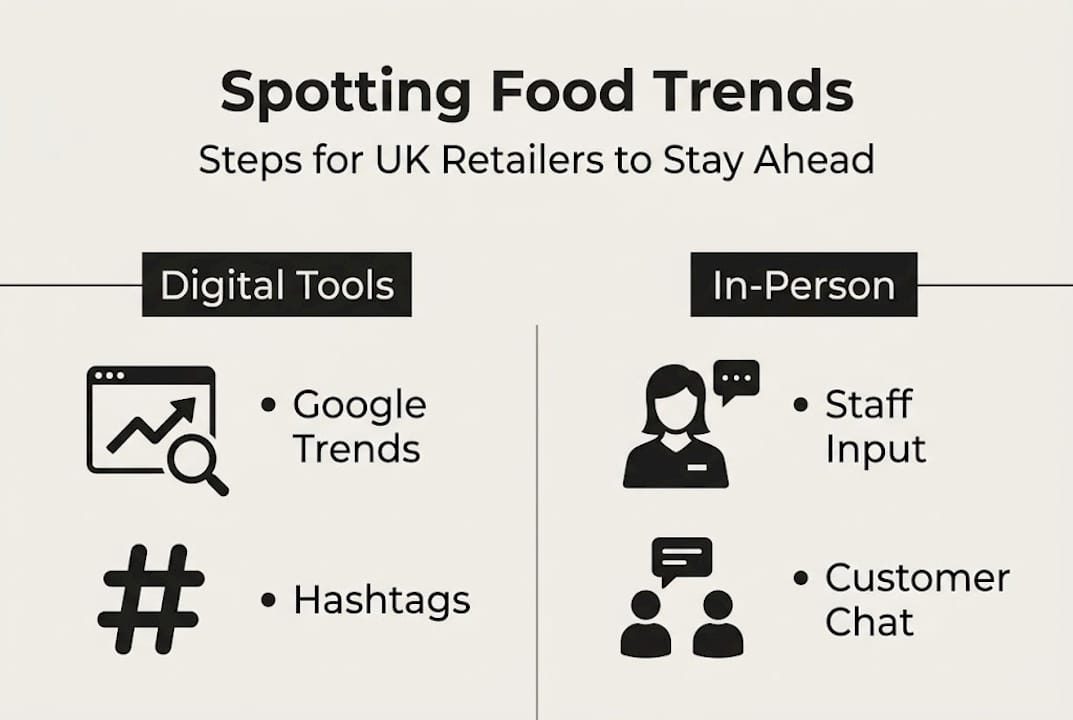
With the right tools in hand, it is time to execute the process itself. A systematic approach to tracking new food trends includes research, verification, and agile response. Here is how to run that process in practice:
- Monitor your chosen sources on a fixed weekly schedule. Note any recurring themes, ingredients, formats, or occasions that appear across multiple channels.
- Analyse what you are seeing. Is the interest growing or plateauing? Is it appearing in the UK specifically, or is it an imported trend that may not translate locally?
- Test the concept at a small scale. Order a limited quantity, create a dedicated display, or run a tasting session to gauge real customer reaction.
- Verify performance against your baseline. Compare sales velocity, margin, and customer feedback against existing products in the same category.
- Act decisively once the data supports it. Scale your order, create in-store theatre around the product, and promote it across your channels.
Different time horizons require different validation approaches:
| Approach | Timeframe | Best for |
|---|---|---|
| Immediate observation | 1 to 2 weeks | Social media spikes, viral ingredients |
| Short-term testing | 4 to 8 weeks | New SKU performance in-store |
| Long-term validation | 3 to 6 months | Category shifts and sustained demand |
Digital methods such as hashtag tracking and Google Trends are excellent for early signals. In-person methods such as tasting events and supplier conversations add the human layer that data alone cannot provide. Thinking about restaurant concept adaptation can also offer useful parallels — foodservice often anticipates retail trends by six to twelve months.
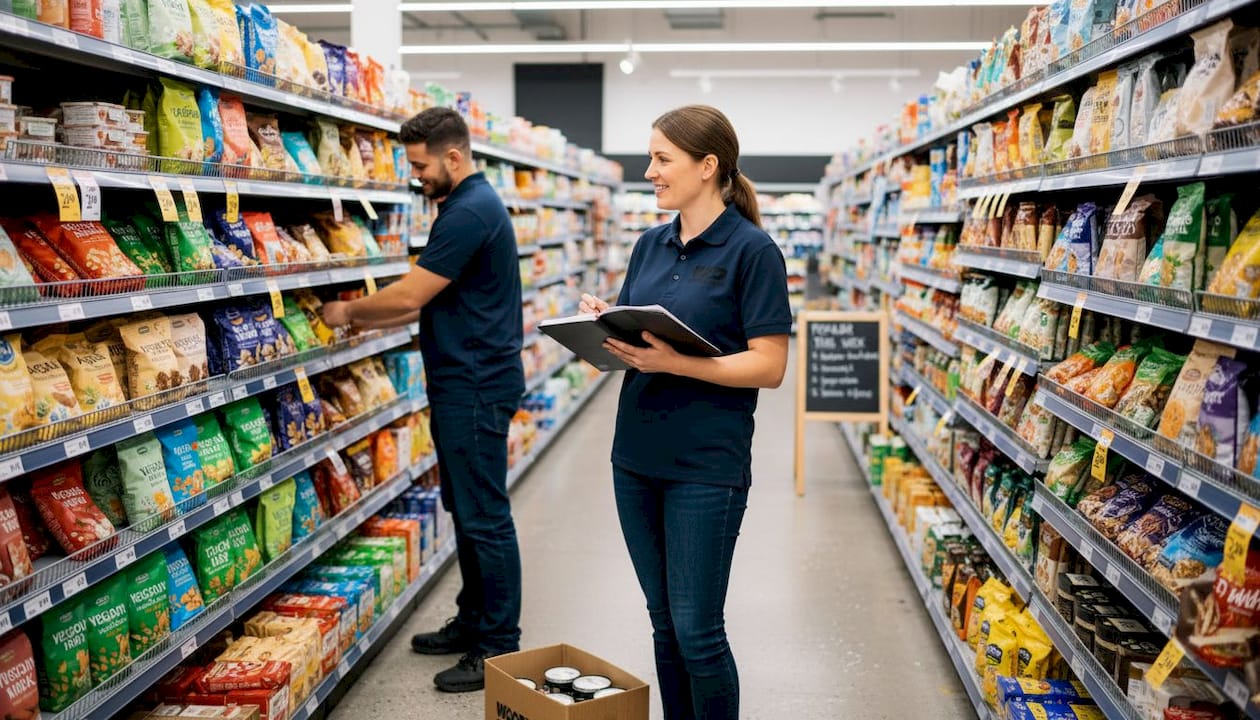
Pro Tip: Brief your floor staff every week on what you are watching and why. Their customer conversations will surface ground-level feedback faster than any analytics tool. A regular five-minute team huddle turns your whole team into trend scouts.
Avoid the common mistake of acting on a single data point. One viral TikTok video does not confirm a viable retail trend. Look for convergence across at least three independent sources before committing stock.
Verifying and acting on trends: testing, feedback, and staying ahead
Once you have identified a potential trend, here is how to validate and launch it for your business. Moving from observation to action requires a structured approach that limits risk while keeping you ahead of the competition.
- Sample the product before committing to a full order. Request samples from your supplier or wholesaler and run an informal tasting with staff and selected regulars.
- Gather structured feedback. Ask specific questions: Would you buy this? At what price? What does it remind you of? Vague impressions are less useful than concrete responses.
- Iterate your range. Use the feedback to refine your selection. Sometimes a trend is right but the specific product is wrong. Try a different format, flavour, or brand.
- Measure impact over a defined period. Track sales volume, margin contribution, and whether customers return specifically for that product.
Useful feedback sources include:
- Floor staff, who hear spontaneous customer reactions daily
- Pilot customers, recruited from your most engaged regulars
- Peer networks, such as local indie retailer groups or trade association forums
- Online reviews and social comments, which capture unprompted sentiment
The evidence is clear: adapting to verified trends can lead to measurably increased sales and improved customer retention. Industry data consistently shows that independents who actively curate trend-led ranges see stronger repeat purchase rates than those operating purely on supplier availability.
A word of caution: the risk of overinvesting in an unverified trend is real. Holding excess stock of a product that fails to land ties up cash and clutters your range. Keep initial orders conservative until your own data confirms demand.
Trend spotting is never a one-and-done activity. Schedule a quarterly review of every trend-led product in your range. Some will grow into permanent fixtures. Others will plateau. Knowing when to move on is just as important as knowing when to move in.
Our perspective: why most retailers overcomplicate food trend spotting
Here is something our experience tells us that most trend reports will not: the biggest barrier for independent retailers is not access to information. It is over-reliance on the wrong kind of information.
Retailers spend money on expensive category reports that tell them what happened six months ago, while their customers are already moving somewhere new. Meanwhile, the person working your till on a Saturday hears live, unfiltered feedback every shift. That insight is priceless and almost always underused.
We have seen this play out repeatedly. A retailer who set aside fifteen minutes every Friday to chat with regulars and review their top-ten sellers identified a growing interest in fermented foods nearly a year before the mainstream trade press declared it a trend. No subscription required.
The brand acceleration impact of acting early on a genuine trend is significant. But acting early only happens when you are listening consistently, not just when a report lands in your inbox. A disciplined weekly routine, built around simple free tools and real customer conversations, will outperform expensive reactive bursts every time. Keep it simple. Keep it regular.
Take your trend insights further with Woodford
Understanding food trends is one thing. Turning those insights into the right products on your shelves is another. At Woodford, we work every day to bridge that gap for UK independent retailers and brand owners. Our trend-led curation means you can discover our brands and know they have been selected because they reflect where the market is genuinely heading, not just what is available. Check out our latest promotions to see which trend-forward products are ready to perform in your store right now. Whether you are looking to refresh a category or build an entirely new range, explore Woodford and find out how strategic wholesale support can sharpen your competitive edge.
Frequently asked questions
What are the best free tools for tracking food trends in the UK?
Free options include Google Trends, Instagram hashtag monitoring, and trade press newsletters tailored for the UK market. These tools together give a solid early-warning system at no cost.
How often should small retailers review emerging food trends?
Reviewing trends monthly at a minimum ensures you catch major shifts, though a consistent weekly routine in trend monitoring improves success and keeps you ahead of competitors.
What should I do if a trend does not work for my store?
Collect customer and staff feedback, scale back the range, and trial a different product or format rather than persisting with low performers. Not every trend suits every location or customer base.
Can listening to staff and regulars really help identify trends?
Absolutely. Staff and close customers are valuable sources for trend feedback and frequently spot emerging changes before they appear in published reports or trade press.
Recommended
- How to conduct trend analysis for UK food brands in 2026 - WOODFORD - Bringing quality foods your way
- Why adapt to food trends: boost independents’ growth - WOODFORD - Bringing quality foods your way
- Food brand strategy drives UK retail success in 2026 - WOODFORD - Bringing quality foods your way
- Strategic food brands for UK independent retailers - WOODFORD - Bringing quality foods your way
- The Challenge of Deciding Where to Expand a Restaurant Concept | PepperLot Blog