Food wholesale logistics: how efficiency drives success
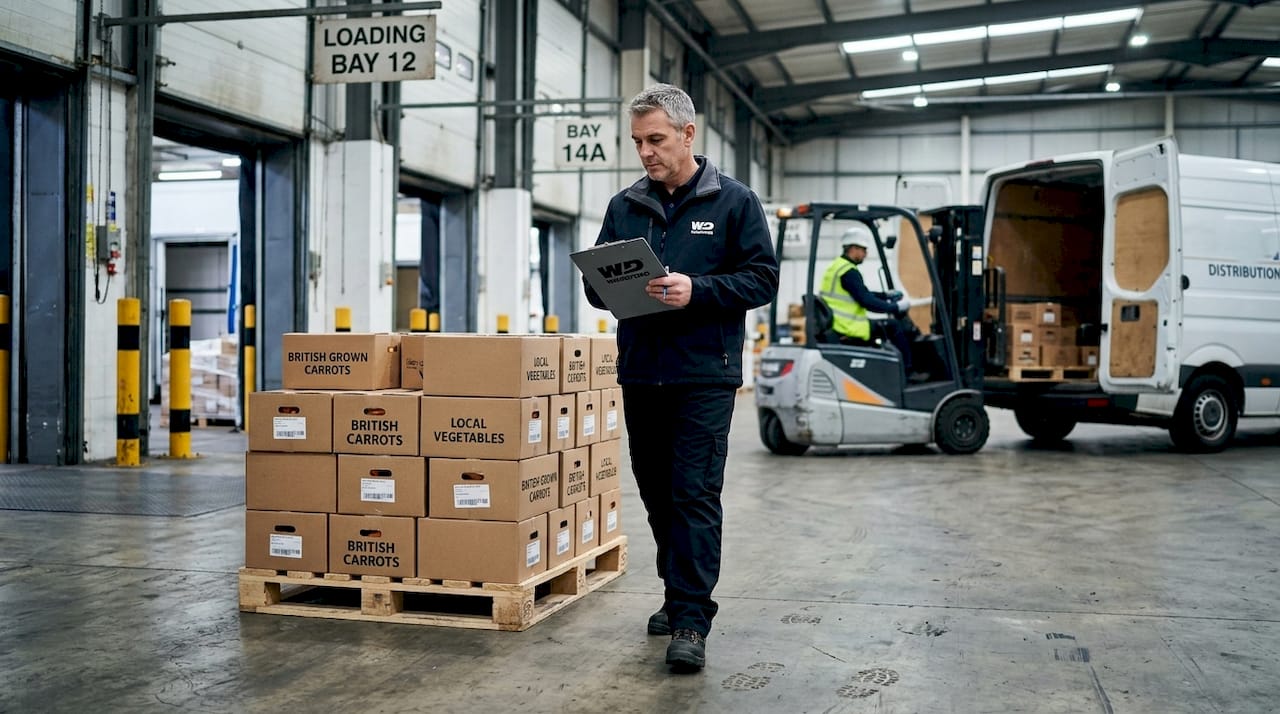
Logistics is not just about delivery vans and loading bays. It is the engine that determines whether your business turns a profit or haemorrhages money on wasted stock, missed deliveries, and unhappy customers. Route optimisation alone has been shown to cut planning time from a full working day down to just 20 minutes, saving businesses £36,000 per year. For independent food retailers and distributors across the UK, mastering logistics is not a nice-to-have. It is the difference between competing effectively and falling behind larger players who have already invested heavily in supply chain infrastructure.
Table of Contents
- Why logistics is vital in UK food wholesale
- Core logistics methods transforming food wholesale
- Navigating challenges: risks, compliance, and edge cases
- Balancing cost, efficiency, and sustainability
- Expert strategies for independent retailers and distributors
- How Woodford helps you power logistics success
- Frequently asked questions
Key Takeaways
| Point | Details |
|---|---|
| Logistics drives efficiency | Advanced logistics systems cut costs, save time, and improve customer service for UK food wholesalers. |
| Cold chain is critical | Strict temperature control keeps food safe and reduces spoilage in a sector where perishable goods are king. |
| Tech levels the playing field | Tools like route optimisation and WMS help independents compete with major wholesalers. |
| Balance cost and sustainability | Using intermodal transport and energy-efficient methods supports both your bottom line and greener operations. |
Why logistics is vital in UK food wholesale
The UK food and drink wholesale sector is enormous. Sector turnover reached £33.6 billion in 2023/24, generating £3.5 billion in direct gross value added and supporting 1.5 million jobs, with an overall economic contribution of £57 billion. That scale means even marginal improvements in logistics efficiency translate into significant financial gains across the supply chain.
Cold chain logistics dominates the sector, accounting for 64.2% of market share in UK food logistics. For perishables such as dairy, meat, and fresh produce, temperature-controlled storage and transport are not optional extras. They are the foundation of product safety and regulatory compliance. If your cold chain fails, your stock fails with it.
For independent retailers and distributors, logistics excellence is a competitive necessity. Larger supermarket chains have invested millions in automated warehouses and real-time tracking. To compete, independents need to be smarter, not necessarily bigger. Understanding strategic food brands data and aligning your logistics to the right product mix is a strong starting point.
| Sector metric | Figure |
|---|---|
| Total turnover (2023/24) | £33.6 billion |
| Direct GVA | £3.5 billion |
| Jobs supported | 1.5 million |
| Overall GVA contribution | £57 billion |
| Cold chain market share | 64.2% |
“The food and drink wholesale sector is the lifeblood of the nation’s food supply, and logistics is the circulatory system that keeps it moving.”
The UK food logistics market continues to grow, driven by rising consumer expectations for freshness, traceability, and speed. Understanding this context helps you make better decisions about where to invest and what to prioritise. Reviewing food brand sector analysis alongside your logistics planning gives you a fuller picture of where the market is heading.
Core logistics methods transforming food wholesale
Modern food logistics is not one-size-fits-all. The most effective operations combine several methods, each suited to different parts of the supply chain. Key methodologies include cold chain logistics, AI-powered route optimisation, Warehouse Management Systems (WMS), lean picking, and intermodal transport. Lean implementation alone has increased picking efficiency by 30% in real-world grocery supply chains.
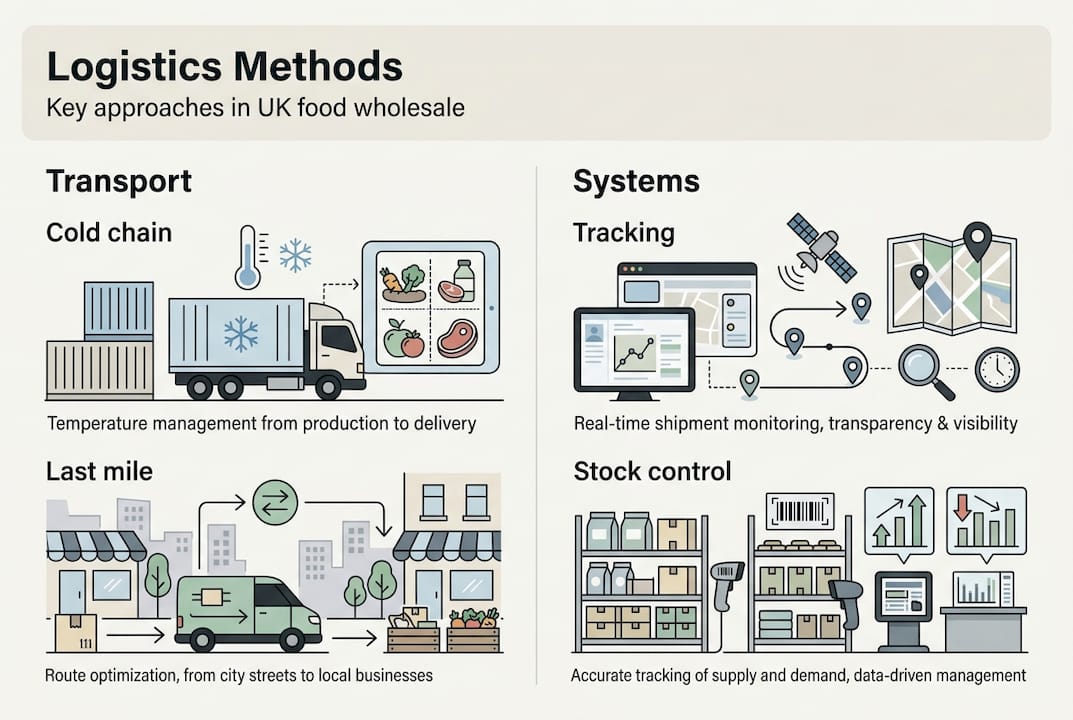
Here is how the main methods compare for independent operators:
| Method | Best for | Cost level | Complexity |
|---|---|---|---|
| Cold chain logistics | Perishables, dairy, meat | Medium to high | Medium |
| AI route optimisation | Multi-drop deliveries | Low to medium | Low |
| WMS | Stock accuracy, traceability | Medium | Medium |
| Lean picking | High-volume warehouses | Low | Low to medium |
| Intermodal transport | Long-distance, bulk goods | Medium | High |
For most independents, the highest-impact starting points are route optimisation and a basic WMS. These two tools address the most common pain points: wasted driver time and stock inaccuracies. You do not need to overhaul everything at once. Practical UK logistics tips can help you sequence your investments sensibly.
Intermodal transport, which combines rail and road, is worth considering for longer routes. It reduces road congestion exposure and offers sustainability benefits. Understanding your food distribution channels helps you identify where intermodal could slot in without disrupting your existing operations. For a broader view of UK warehousing approaches, industry bodies publish detailed guidance updated annually.
- Cold chain: protects product quality and meets food safety law
- AI route optimisation: cuts fuel costs and delivery windows
- WMS: gives real-time stock visibility and audit trails
- Lean picking: reduces errors and speeds up order fulfilment
- Intermodal: lowers emissions and reduces road dependency
Pro Tip: Do not chase the latest technology for its own sake. Choose the method that solves your biggest current problem. A small distributor with three vans will get more value from route optimisation software than from a full automated picking system.
Navigating challenges: risks, compliance, and edge cases
The UK food logistics landscape carries specific risks that independents must plan for. Perishables require strict cold chain management, and energy costs represent up to 30% of total logistics expenses. Brexit has added border complexity, driver shortages continue to affect capacity, and climate instability is creating new disruptions to supply routes.
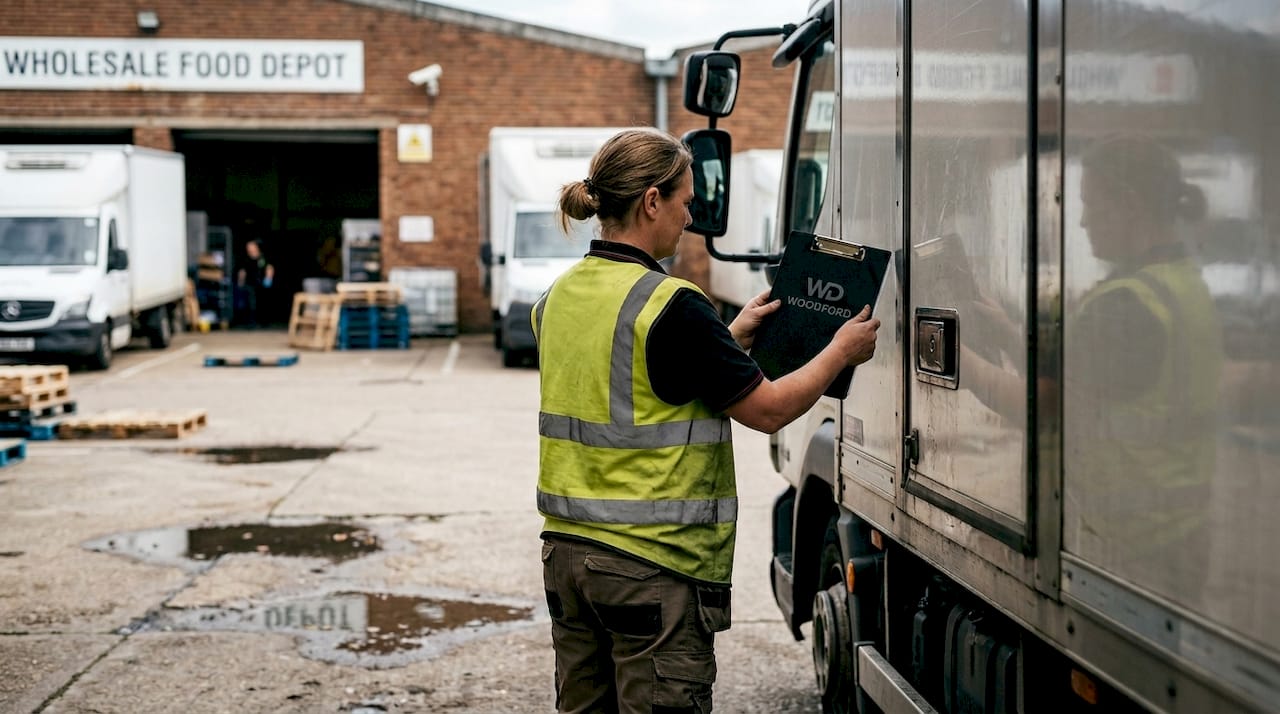
Compliance is non-negotiable. HACCP and BRCGS standards are essential for UK food wholesale operations, with IoT sensors, AI monitoring, and big data tools increasingly used to maintain traceability across the supply chain. Failing an audit does not just cost money. It can cost you supplier relationships and customer trust.
Here are the key risk areas to address in your logistics planning:
- Cold chain failures: Install temperature monitoring at every stage, from warehouse to final delivery.
- Driver shortages: Build relationships with multiple haulage partners so you are not dependent on one provider.
- Energy cost spikes: Audit your refrigeration units and vehicle fleet for efficiency gains.
- Brexit border delays: Keep documentation current and work with freight forwarders who specialise in UK-EU trade.
- Just-in-time vulnerabilities: Maintain a modest buffer stock for your fastest-moving lines to absorb supply shocks.
Climate impact evidence shows that extreme weather events are increasingly disrupting UK food supply routes, making resilience planning essential rather than optional. Reviewing navigating logistics challenges gives you a practical framework for building that resilience. Understanding cross-docking methods can also help reduce storage dependency during disruption periods.
Pro Tip: Build genuine relationships with your key suppliers, not just transactional ones. When disruptions hit, suppliers prioritise partners they trust. A phone call to a contact you know personally moves faster than a formal procurement process.
Balancing cost, efficiency, and sustainability
Every logistics decision involves trade-offs. Speed costs money. Resilience requires buffer stock, which ties up capital. Sustainability goals can conflict with the cheapest delivery option. The skill is in finding the right balance for your specific operation.
On emissions, the numbers are stark. Rail freight produces 76% lower emissions than road transport, and the Freight and Warehousing Decarbonisation (FWD) carbon calculator gives businesses a practical tool for mapping their route to net zero. For independents moving bulk goods over longer distances, shifting even a portion of freight to rail can make a measurable difference.
“Sustainability is not a cost centre. When you reduce fuel waste and optimise routes, you cut emissions and your operating costs at the same time.”
WMS and cold chain technology also support sustainability by reducing spoilage. Every tonne of food that does not go to waste is both a financial saving and an environmental one. Choosing the right distribution channel selection strategy directly affects your waste and emissions profile.
Top actions to improve efficiency and reduce emissions:
- Audit your current route plans and identify consolidation opportunities
- Switch to LED lighting and energy-efficient refrigeration in your warehouse
- Use a carbon calculator to baseline your current emissions
- Explore rail options for long-distance bulk deliveries
- Review packaging to reduce weight and volume per delivery
- Track food waste by SKU and adjust ordering accordingly
These steps do not require a large capital outlay. Most can be implemented incrementally, with each improvement building on the last. Reviewing sustainable logistics solutions gives you a starting framework.
Expert strategies for independent retailers and distributors
Independents can absolutely compete with larger operators, but it requires deliberate strategy rather than reactive decision-making. Prioritising WMS, route optimisation, and cold chain technology gives independents the tools to match the service levels of much larger businesses, without the overhead of a full logistics department.
Here are the expert moves that make the biggest difference:
- Invest in scalable technology: Start with route optimisation and a cloud-based WMS. Both scale with your business and do not require large upfront infrastructure.
- Use data for compliance: Real-time temperature logs and delivery records make HACCP and BRCGS audits straightforward rather than stressful.
- Choose flexible logistics partners: Work with providers who can scale capacity up or down with your demand, especially around seasonal peaks.
- Maintain buffer stock on key lines: Even two to three days of cover on your fastest-moving products protects you from supply shocks without tying up excessive capital.
- Review your KPIs regularly: Delivery accuracy, order lead time, and cost per delivery are the three metrics that tell you most about logistics health.
For a deeper look at practical implementation, top logistics tips covers the operational detail that makes these strategies work in practice.
Pro Tip: Set a monthly logistics review in your calendar. Look at your three core KPIs, identify the biggest gap, and make one targeted change. Small, consistent improvements compound quickly over a year.
How Woodford helps you power logistics success
At Woodford, we understand that logistics is not a back-office function. It is central to your ability to serve customers well, manage costs, and grow sustainably. As the UK’s leading strategic food wholesaler, we combine exclusive brand distribution with trend-led curation and genuinely hassle-free logistics, so you can focus on running your business rather than firefighting supply chain problems. Whether you are looking to streamline your ordering process, access emerging food brands, or simply get more reliable delivery, we have built our operation around the needs of ambitious independent retailers. Explore the full Woodford logistics solutions and browse our range of brands to see how we can support your next stage of growth.
Frequently asked questions
What are cold chain logistics and why are they essential?
Cold chain logistics maintain food at safe temperatures throughout storage and transport, preventing spoilage and ensuring compliance with UK food safety law. With cold chain holding 64.2% market share in UK food logistics, it is the dominant method for good reason.
How can small food wholesalers boost logistics efficiency quickly?
Route optimisation software and a basic WMS deliver the fastest returns for small operators. Route optimisation cut planning time from a full day to 20 minutes, while lean picking methods increased efficiency by 30%.
What regulations must UK food wholesalers meet?
HACCP and BRCGS compliance are the core requirements, supported by robust traceability systems and regular audits. HACCP and BRCGS standards are non-negotiable for operating legally and maintaining supplier and customer confidence.
How does logistics support sustainability in food wholesale?
Rail freight, cold chain technology, and emissions tracking tools all reduce your carbon footprint without sacrificing service levels. Rail freight delivers 76% lower emissions than road, making it a powerful option for longer routes.
Recommended
- Navigating UK food logistics for wholesalers in 2026 - WOODFORD - Bringing quality foods your way
- Food logistics tips for UK independent retailers in 2026 - WOODFORD - Bringing quality foods your way
- What is cross-docking in food logistics: a guide - WOODFORD - Bringing quality foods your way
- Types of food distribution channels to boost your supply chain - WOODFORD - Bringing quality foods your way