Food stock management: maximise profits, minimise waste
TL;DR:Effective food stock management reduces waste, increases sales, and boosts profitability for UK independents.Digital inventory tools improve accuracy, speed up counts, and lower food waste significantly.Treating waste as a direct profit impact and analyzing root causes can transform overall business performance.
Poor food stock management is quietly draining profits from independent retailers and wholesalers across the UK. Many businesses lose significant margin not through bad buying decisions, but through avoidable waste, invisible shrink, and stock records that simply do not reflect reality. UK hospitality wastes 18% of purchased food, and the ripple effect on profitability is severe. This article walks you through what food stock management really means, the methods that work, the technology that saves time, and the advanced strategies that separate thriving independents from those constantly firefighting.
Table of Contents
- Understanding food stock management
- Essential principles and methods for effective stock management
- Digital tools and technology for stock visibility
- Managing perishables, overstock, and critical edge cases
- Key benchmarks and advanced strategies for profitability
- Turning waste into profit: what most small food businesses miss
- Take your stock management further with Woodford
- Frequently asked questions
Key Takeaways
| Point | Details |
|---|---|
| Cut waste, boost profit | Effective stock management slashes food waste and directly grows your bottom line. |
| Embrace digital tools | Modern inventory software and EPOS systems save time and prevent costly mistakes. |
| Master core methods | Use FIFO/FEFO, set stock levels, and track waste for consistent results. |
| Aim for top benchmarks | Target 4–6 stock turns a month and shrink below industry norms for peak efficiency. |
Understanding food stock management
With the urgency clear, let us define what food stock management really means and why it is vital for your business.
Food stock management is the process of tracking, controlling, and optimising inventory levels of perishable and non-perishable food items for retailers and wholesalers. It covers everything from the moment goods arrive at your back door to the moment they leave through the till. For UK independents operating on tight margins with small teams, every unit counts.
The core goals are straightforward:
- Minimise waste and spoilage across all product categories
- Ensure product availability to protect sales and customer loyalty
- Drive profitability by reducing the capital tied up in slow-moving stock
- Maintain compliance with food safety regulations, particularly for chilled and frozen lines
Perishables and non-perishables demand very different approaches. Fresh produce, dairy, and chilled ready meals require daily attention, strict rotation, and temperature monitoring. Ambient goods like tinned foods and dry staples allow more flexibility, but they still need regular review to avoid dead stock building up on shelves.
“The difference between a profitable independent and a struggling one often comes down to whether they truly know what stock they have, where it is, and when it expires.”
For businesses stocking strategic food brands, accurate stock management is especially important. Premium and trend-led lines often carry higher margins but also higher risk if they sit unsold. Understanding your distribution channels and lead times helps you plan replenishment without over-ordering. Pairing that knowledge with solid inventory management tools gives you a real competitive edge.
Essential principles and methods for effective stock management
Now that you know what food stock management covers, it is time to dig into the methods that turn theory into profit.
FIFO and FEFO are the two most important stock rotation principles in food retail. FIFO (First In First Out) means the oldest stock is sold first. FEFO (First Expired First Out) goes a step further by prioritising items with the nearest expiry date, regardless of when they arrived. For fresh produce and bakery lines, FEFO is the smarter choice. FIFO and FEFO rotation with frequent audits can reduce spoilage and prevent shrink in 68% of small retailers.
PAR levels (Periodic Automatic Replenishment) define the minimum quantity of each product you need on hand before reordering. Setting accurate PAR levels stops you running out of bestsellers while preventing unnecessary overstock on slower lines.
Here is a comparison of the two main audit approaches:
| Audit type | Frequency | Best for | Accuracy |
|---|---|---|---|
| Cycle counts | Weekly or daily | Perishables, high-value lines | High |
| Year-end audit | Annual | Full reconciliation | Moderate |
A practical approach to tightening your stock management:
- Implement FEFO rotation for all chilled and short-life products
- Set PAR levels for your top 20 selling lines first
- Run weekly cycle counts on perishables and monthly on ambient stock
- Log all spoilage and returns with a reason code
- Review waste logs monthly to spot patterns and root causes
The payoff is real. Accurate stock management raises sales by 4 to 11%, making it one of the highest-return investments you can make. Pair these methods with a clear brand strategy and margins review and you will see the difference on your P&L quickly. Staying on top of food trend analysis also helps you anticipate demand shifts before they catch your stock levels off guard.
Pro Tip: Start your waste log in a simple spreadsheet before investing in software. Even basic data reveals patterns that save money within weeks.
Digital tools and technology for stock visibility
With robust practices in mind, let us see how digital solutions elevate your control and cut down errors.
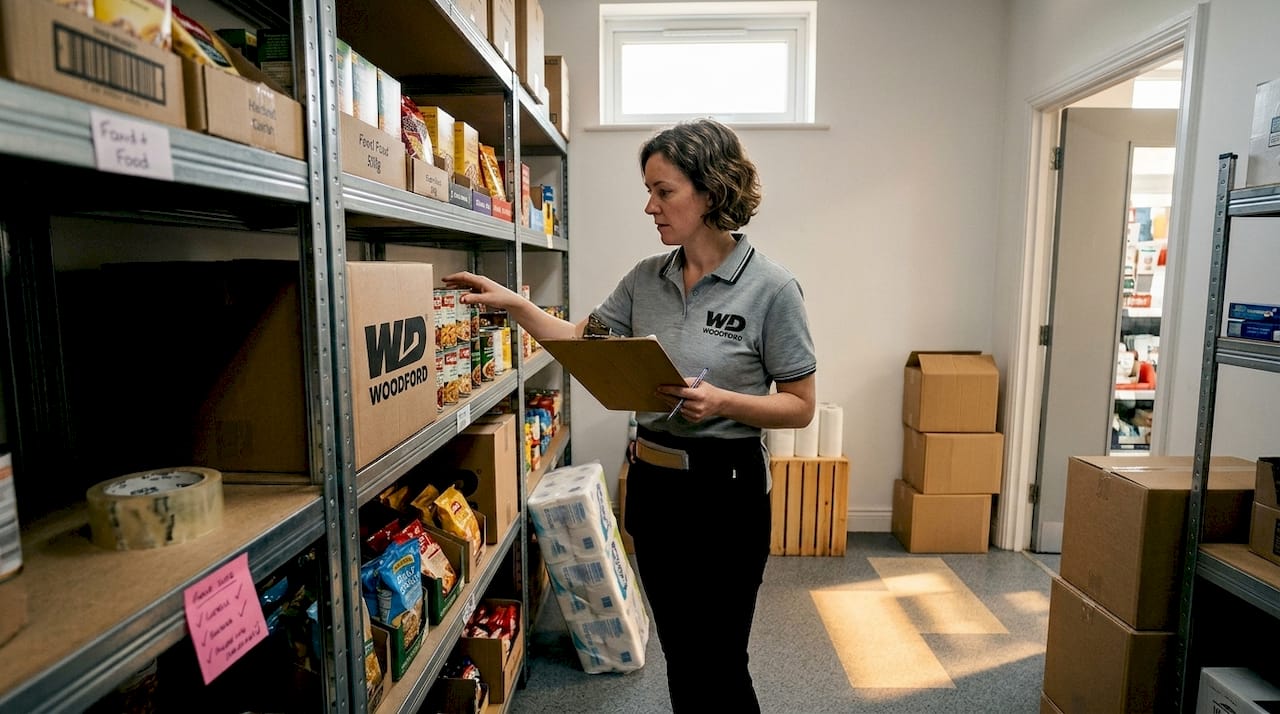
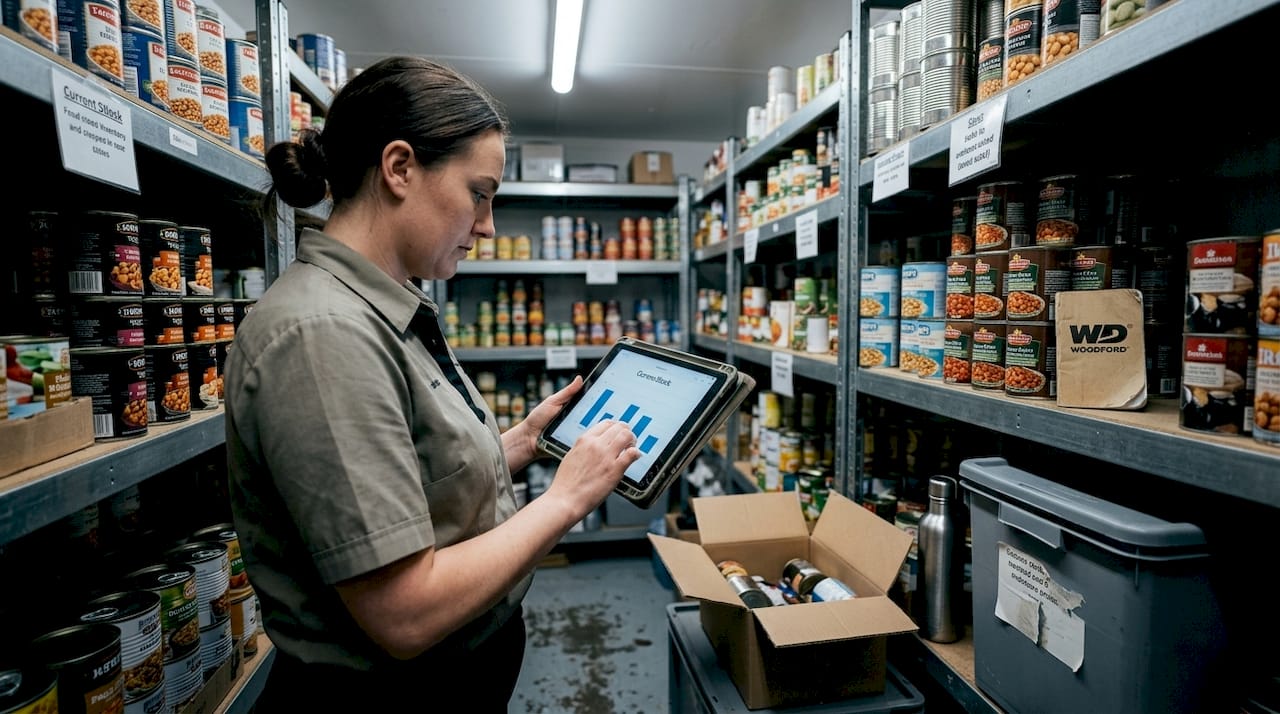
Manual stock counts on clipboards are slow, error-prone, and demoralising for small teams. Digital tools change the equation entirely. EPOS systems offer real-time stock visibility, automate counts, and support direct supplier integration, meaning your reorder process can become almost hands-free for core lines.
Here is how digital and manual approaches compare across key performance areas:
| Factor | Manual system | Digital system |
|---|---|---|
| Count accuracy | 70 to 80% | 95 to 99% |
| Time per count | 3 to 5 hours | 30 to 60 minutes |
| Waste visibility | Low | High |
| Supplier integration | None | Automated |
| Cost to implement | Low | Medium to high |
Digital solutions reduce time spent on counts by 60 to 90% and can lower food waste by 20 to 40%. For a busy independent managing 500 to 2,000 SKUs, that time saving alone justifies the investment.
Key features to look for when choosing stock management software:
- Real-time stock level alerts and low-stock notifications
- Sales history reporting to identify fast and slow movers
- AI-driven demand forecasting based on seasonality and promotions
- Mobile access for shop floor counts without returning to a back office
- Supplier integration for automated purchase orders
For wholesalers, the stakes are even higher. Managing multiple delivery routes, variable order quantities, and diverse customer accounts demands software that can handle complexity without creating it. Understanding the right logistics for wholesalers is the foundation, and digital stock tools are what make that logistics strategy executable day to day. You can also explore inventory management insights to benchmark your current setup against what leading operators use.
Pro Tip: If budget is tight, start with a cloud-based EPOS system that includes basic stock management. You can layer on advanced forecasting tools as your business grows.
Managing perishables, overstock, and critical edge cases
Digital tools help, but real-world stock brings challenges only practical savvy can manage.
Perishables are the most demanding category in any food business. Chilled products require storage below 8°C, and even brief temperature breaches can trigger rapid spoilage and compliance risk. Temperature zone mapping, regular fridge checks, and clear labelling protocols are non-negotiable for any retailer or wholesaler handling fresh lines.
Unit mapping is another area where independents often trip up. Your buying unit (a case of 12) and your selling unit (individual packs) must be correctly mapped in your system. Mismatches create phantom stock, where your records show availability but your shelves are empty.
Common edge case pitfalls to watch for:
- Accepting short-dated donations or surplus stock without a clear plan to sell it quickly
- Overflow storage in areas without proper temperature control
- Buying in bulk to hit a price break without checking available storage capacity
- Failing to account for promotional uplifts when setting PAR levels
- Ignoring slow-moving lines until they become a write-off problem
The financial cost of getting this wrong is significant. Unsold food handling costs represent 1.8% of sales, and that figure does not include the opportunity cost of capital tied up in stock that never sells. Overstock and understock both damage your P&L, just in different ways. Overstock ties up cash and creates waste. Understock loses sales and erodes customer trust.
Strategies like cross-docking for efficiency can help wholesalers reduce the time perishables spend in storage altogether, cutting both waste risk and handling costs in a single move.
Key benchmarks and advanced strategies for profitability
To push results higher, compare your performance to industry standards and leverage smart strategies.
Knowing your numbers is the difference between reacting to problems and preventing them. Aim for 4 to 6 inventory turns per month and keep shrink below the industry norm for your category. Hitting this range means your stock is fresh, your cash flow is healthy, and you are not over-buying.
Key benchmarks and strategies for ongoing optimisation:
- Inventory turnover ratio: 4 to 6 turns per month for most food categories
- Shrink target: Below 1% for ambient, below 2% for fresh lines
- Waste as a percentage of sales: Target below 1.5%
- Stock record accuracy: Aim for 95% or above with digital tools
- ABC analysis: Classify stock into A (high value, fast moving), B (moderate), and C (slow, low value) to prioritise your management effort
| Strategy | Benefit | Difficulty |
|---|---|---|
| ABC analysis | Focus effort on highest-impact lines | Low |
| AI demand forecasting | Reduce over-ordering and stockouts | Medium |
| Joining symbol groups | Access to scale and digital tools | Low |
| Cycle count programme | Ongoing accuracy without disruption | Medium |
Joining symbol groups like Unitas gives independents access to scale, group buying power, and digital tools that would otherwise be out of reach. It is one of the most underused strategies for small wholesalers looking to compete with larger operators.
Staying ahead also means adapting to food trends before demand peaks, so your stock levels reflect where the market is going, not just where it has been.
Turning waste into profit: what most small food businesses miss
After understanding benchmarks, it is worth highlighting a perspective most guides miss: your real profit can depend entirely on how you view waste.
Most independents treat food waste as an operational inconvenience. A bin that fills up. A supplier credit to chase. The businesses that genuinely pull ahead treat it as a direct P&L line item, because that is exactly what it is. Treating waste as a direct P&L impact can free up over 1.8% of revenue and boost sales up to 11% through inventory accuracy alone.
Manual systems are the silent culprit here. Most small retailers running paper-based or spreadsheet stock management are missing shrink they cannot even see. It is not laziness. It is a structural limitation of the tool. You cannot track what you cannot measure in real time.
The step most guides skip entirely is root cause analysis on waste. It is not enough to log that 12 units of smoked salmon were written off this week. You need to know why. Was it a delivery issue? A rotation failure? A pricing problem that left stock sitting too long? Without that answer, the same loss repeats next week.
We have seen businesses switch to digital tracking via food logistics advice and cut waste meaningfully within 90 days, not because the technology is magic, but because visibility forces accountability. When your team can see the numbers, behaviour changes.
Take your stock management further with Woodford
Ready to put best practices into action? Here is how Woodford can help your business optimise further.
At Woodford, we work with UK independents and wholesalers every day to make food stock management simpler, smarter, and more profitable. Our role goes beyond distribution. We help you stock the right products at the right time, with the trend intelligence and logistics support to back it up. Explore our brands to discover trend-led lines that move quickly and carry strong margins. And check out our current promotions for exclusive offers that make buying decisions easier without the overstock risk. Better stock starts with better sourcing.
Frequently asked questions
Why is food stock management important for small UK retailers?
It directly protects your profit by cutting waste, preventing stockouts, and improving the accuracy of your buying decisions. UK food businesses waste 18% of purchased stock, making tighter control one of the fastest routes to improved margins.
What is the FIFO method and why use it?
FIFO (First In First Out) means selling your oldest stock first to reduce spoilage and write-offs, particularly for perishables. FIFO and FEFO rotation are the most reliable tools for cutting shrink in food retail.
How can tech help my small food business manage stock?
Digital tools give you real-time visibility, automate reorder triggers, and drastically cut the time your team spends on manual counts. Digital systems save up to 90% counting time and reduce food waste by 20 to 40%.
What is a good inventory turnover ratio for food retailers?
Aim for 4 to 6 inventory turns per month to keep stock fresh and cash flow healthy. 4 to 6 turns per month is the optimal range for most food retail categories.
How do I reduce losses from unsold or expired food?
Combine FIFO or FEFO rotation, accurate PAR levels, regular cycle counts, and a waste log that captures root causes. Accurate inventory and digital tools reduce handling costs and protect your margin over time.
Recommended
- Food logistics tips for UK independent retailers in 2026 - WOODFORD - Bringing quality foods your way
- Navigating UK food logistics for wholesalers in 2026 - WOODFORD - Bringing quality foods your way
- What is cross-docking in food logistics: a guide - WOODFORD - Bringing quality foods your way
- Types of food distribution channels to boost your supply chain - WOODFORD - Bringing quality foods your way