Food distribution explained: enhance your UK supply chain
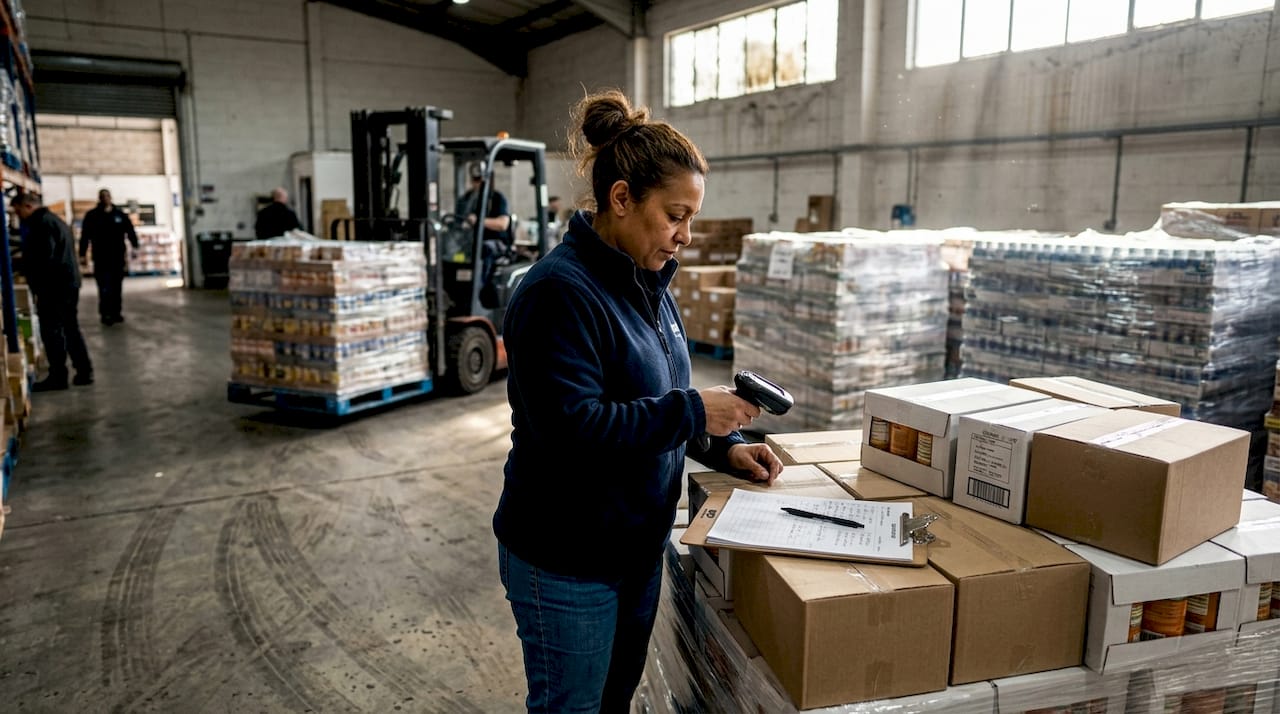
Most independent retailers assume food simply travels from a farm or factory straight to their shelves. The reality is far more layered. The UK food wholesaling turnover is estimated at £129.7bn for 2026, serving over 400,000 businesses across retail, hospitality, and foodservice. That scale demands an intricate web of logistics, storage, compliance, and technology working in concert. This article breaks down exactly how food distribution works in the UK, who the key players are, and what independent retailers and foodservice operators can do to sharpen their supply chains.
Table of Contents
- Defining food distribution in the UK
- Key players and market structure
- Distribution channels and processes
- Nuances of perishables and compliance
- Strategies for independents to stay competitive
- Enhance your supply chain with reliable partners
- Frequently asked questions
Key Takeaways
| Point | Details |
|---|---|
| Food distribution definition | Food distribution is the process of moving, storing, and delivering food from producers to retailers and restaurants. |
| Market landscape | The UK food distribution industry is dominated by a few major companies but offers opportunities for independent operators. |
| Channel options | Independent businesses use diverse channels—including cash-and-carry, direct delivery, and third-party services—to source and distribute food. |
| Perishable management | Handling perishables requires strict temperature control, batch tracking, and careful compliance with regulations. |
| Competitive strategies | Independents can thrive by partnering for scale, embracing technology, and staying responsive to market trends. |
Defining food distribution in the UK
Food distribution is the end-to-end process of moving food products from producers and manufacturers to the businesses that sell or serve them. That includes independent retailers, restaurants, cafés, hotels, and institutional caterers. It is broader than wholesaling alone.
Whereas wholesaling focuses primarily on bulk purchasing and resale, distribution encompasses the full operational picture: sourcing, warehousing, inventory management, transport, and final delivery. Think of wholesaling as one component within a much larger distribution system.
The industry is substantial. Food distribution supplies over 400,000 businesses and employs more than 60,000 people across the UK. For independent operators, understanding this system is not just academic. It directly affects your product availability, pricing, and ability to respond to customer demand.
Core activities within food distribution include:
- Sourcing products from manufacturers, farms, and importers
- Warehousing in ambient, chilled, or frozen environments
- Inventory management to reduce waste and prevent stockouts
- Transport and routing to optimise delivery schedules
- Last-mile delivery to your premises, on time and in full
For practical guidance on managing these moving parts, food logistics tips for UK independents offer a useful starting point. If you want a deeper look at the operational side, UK food logistics for wholesalers covers the nuances in detail.
Pro Tip: Implement FIFO (first in, first out) stock rotation from day one and insist your distributor uses ePOD (electronic proof of delivery) so you have a digital audit trail for every consignment.
Key players and market structure
The UK food distribution market is large but concentrated at the top. Three companies dominate by revenue, yet thousands of smaller operators fill the gaps they cannot reach.
The top 3 UK food distributors have combined sales exceeding £19bn, with Booker, Bidfood, and Brakes leading the field. Here is how they compare:
| Distributor | Estimated revenue | Primary focus |
|---|---|---|
| Booker | £7.7bn | Retail and foodservice |
| Brakes | £3.2bn | Foodservice and catering |
| Bidfood | £2.3bn | Foodservice and hospitality |
Despite this concentration, over 16,000 food and drink wholesaling businesses operate across the UK. More than 70,000 independent food businesses rely on cash-and-carry formats for flexible, low-commitment sourcing. This tells you something important: the market has room for specialists, regional operators, and niche distributors who serve audiences the giants overlook.
Key structural trends shaping the market right now:
- Consolidation continues as larger players acquire regional distributors
- Organic food demand grew by 9.4% in 2024, creating new sourcing pressures
- Plant-based and free-from categories are expanding faster than ambient staples
- Technology investment is separating efficient operators from those falling behind
For independent retailers, the opportunity lies in working with distributors who understand your category. Partnering with strategic food brands gives you access to products that larger chains are slower to adopt. A clear food brand strategy helps you position those products effectively once they arrive on your shelves. If you are unsure where to start, understanding brand acceleration in food explains how emerging brands gain traction and why stocking them early pays off.
Distribution channels and processes
Food does not travel in a straight line. It moves through a series of channels, each with different cost structures, lead times, and suitability depending on your business type.
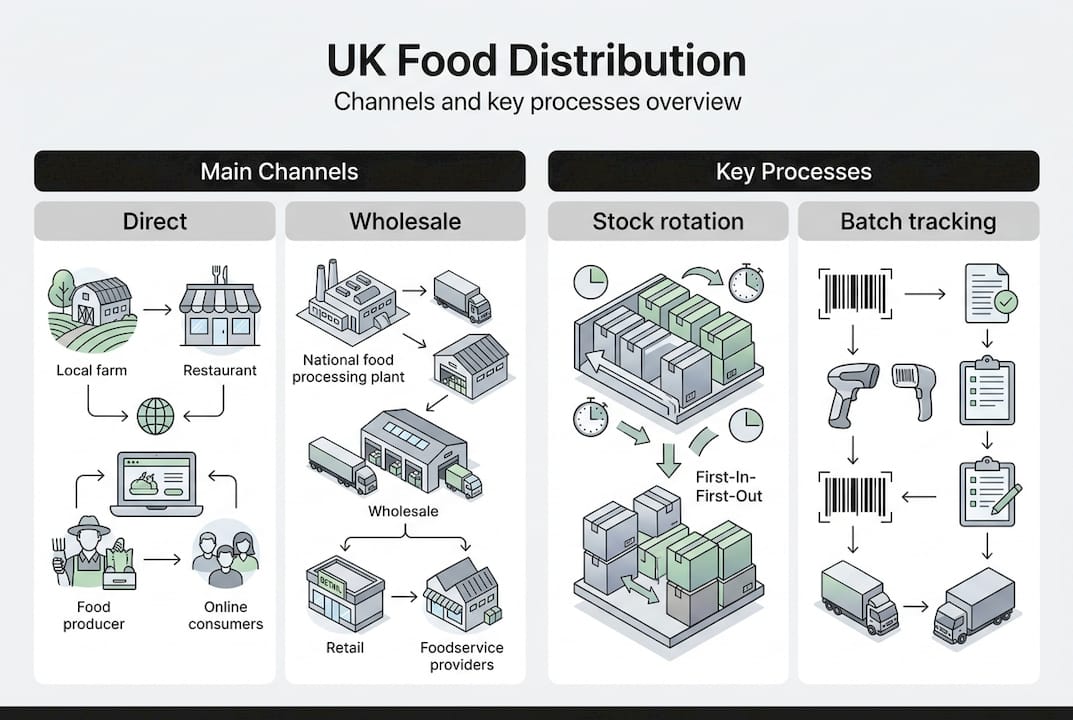
The main distribution channels used in the UK are:
| Channel | Best suited for | Key advantage |
|---|---|---|
| Direct from supplier | High-volume, single-category buyers | Lower unit cost |
| National wholesaler | Broad range, consistent supply | One-stop ordering |
| Cash-and-carry | Flexible, low-minimum purchasing | Immediate availability |
| Online wholesale platforms | Time-pressed operators | 24/7 ordering convenience |
| Third-party logistics (3PL) | Businesses outsourcing fulfilment | Scalable infrastructure |
Over 70,000 independent businesses use cash-and-carry for sourcing, which reflects how many operators still value the ability to inspect goods and collect on their own schedule. Online platforms are growing fast, particularly post-pandemic, as operators prioritise speed and simplicity.
The typical distribution process follows five stages:
- Sourcing from producers, importers, or manufacturers
- Storage in appropriate warehouse conditions (ambient, chilled, or frozen)
- Inventory management using software to track stock levels and expiry dates
- Transport via owned fleets or third-party hauliers with optimised routing
- Delivery to your premises with ePOD confirmation and temperature records
AI-driven inventory systems are now standard among larger distributors. They reduce overstock, flag slow-moving lines, and automate reordering. For independents, even basic inventory software integrated with your ordering process can cut waste significantly. Explore the full range of food distribution channels to identify which model fits your operation. For businesses handling high volumes, understanding cross-docking in food logistics can reveal ways to reduce handling time and storage costs.
Pro Tip: Stop treating delivery as a fixed overhead. The speed, reliability, and presentation of your deliveries directly affect your ability to serve customers well. A distributor with strong last-mile performance is a competitive advantage, not just a convenience.
Nuances of perishables and compliance
Distributing ambient goods is relatively straightforward. Perishables are a different matter entirely, and the regulatory environment around them is tightening.
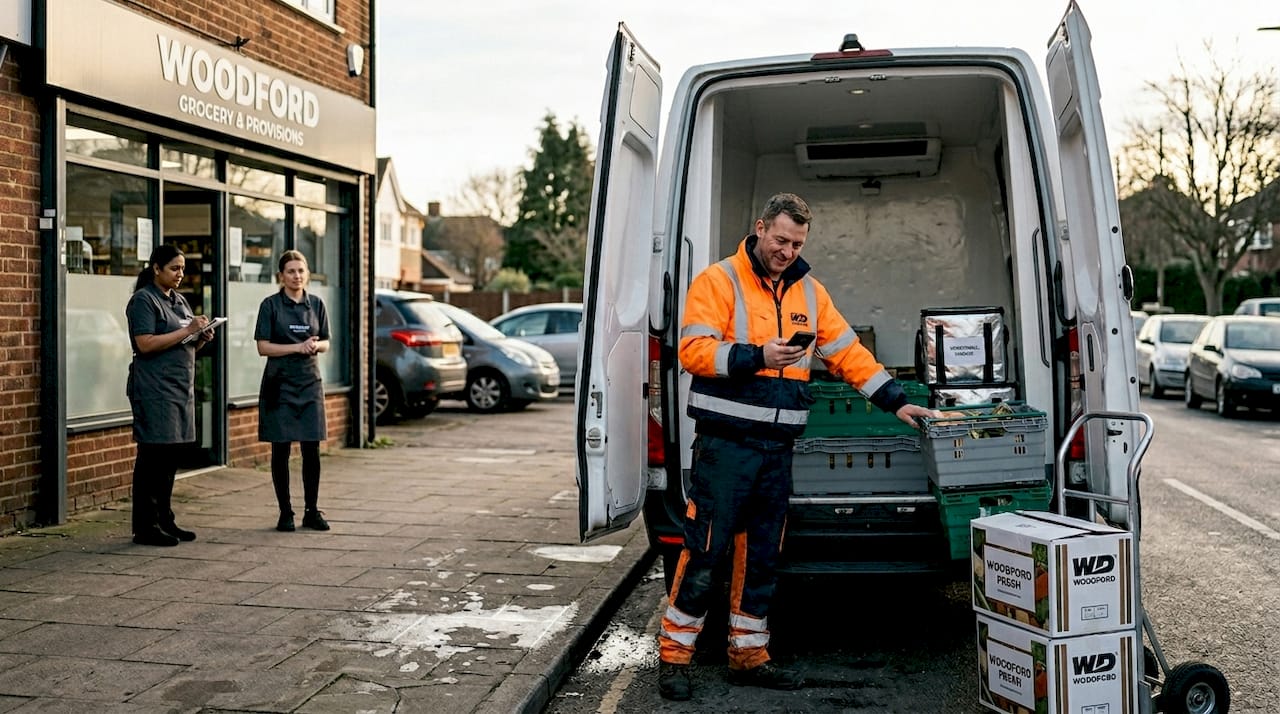
Cold chain logistics require strict temperatures throughout the supply journey. Dairy must be kept between 0°C and 4°C. Fresh produce, meat, and fish each have their own requirements, and any deviation creates both a food safety risk and a compliance liability. Batch tracking and expiry date management are non-negotiable for these categories.
Key requirements for perishable distribution include:
- Temperature-controlled vehicles with continuous monitoring and logging
- Batch and lot tracking from intake to delivery for full traceability
- Expiry date management integrated into warehouse management systems
- Weight-based billing for fresh goods, which adds complexity to invoicing
- Rapid stock rotation to minimise waste and maintain quality
The regulatory picture has become more complex for businesses operating across Great Britain and Northern Ireland. The Windsor Framework has introduced additional checks on goods moving from GB to NI, and many distributors have responded by reducing their NI SKU ranges to manage compliance costs.
“The battle to maintain food availability in Northern Ireland is expected to continue for at least three years, with ongoing checks creating persistent pressure on range and pricing.”
This is not a short-term disruption. If you source products that cross this border, build contingency into your supply planning. For practical guidance on managing these pressures, food logistics tips for UK independents covers compliance-aware sourcing strategies.
Strategies for independents to stay competitive
The consolidation of the market does not mean independents are squeezed out. It means the strategy for staying competitive has to be deliberate.
Independents should partner for scale, technology, and local sourcing to counter rising costs and the advantages large distributors hold. This is not about mimicking the giants. It is about using the right partnerships to punch above your weight.
Actionable strategies for independent retailers and foodservice operators:
- Partner with specialist distributors who offer access to trend-led, exclusive brands that supermarkets are slow to stock
- Adopt AI-assisted inventory tools to reduce over-ordering, cut waste, and automate routine purchasing decisions
- Source locally where possible to reduce transport costs, support provenance storytelling, and build resilience against supply disruptions
- Track category trends actively so you can respond to organic, plant-based, and free-from demand before your competitors do
- Negotiate delivery terms rather than accepting defaults. Frequency, minimum order values, and lead times are all negotiable with the right partner
Adapting to market shifts is not optional. Organic food demand grew 9.4% in 2024, and plant-based categories continue to outpace ambient staples. Understanding food trends for independents gives you the framework to act on these signals before they become mainstream.
Pro Tip: Your delivery window and product range are part of your customer proposition. If your distributor cannot support your service standards, that is a business problem, not just a logistics inconvenience. Choose partners who treat your growth as their own.
Enhance your supply chain with reliable partners
Understanding food distribution is the first step. Acting on that understanding is where the real advantage lies. At Woodford, we work exclusively with independent retailers and foodservice operators who want more than a catalogue and a delivery slot. We connect you with quality food suppliers whose products are curated for trend relevance, margin potential, and operational fit. Our technology-driven ordering process and reliable logistics mean you spend less time chasing stock and more time serving your customers. Browse our brands to see the range of exclusive, trend-led products available to your business. Whether you are building a new supply chain or strengthening an existing one, we are here to make it work.
Frequently asked questions
How is food distribution different from food wholesaling?
Food distribution covers the full movement, storage, and delivery logistics of food products, whereas wholesaling focuses primarily on bulk purchasing and resale. The UK has 16,000+ wholesalers, many of whom are involved in distribution activities as well.
What are the main challenges in UK food distribution?
The key challenges include regulatory compliance such as the Windsor Framework checks, maintaining cold chain integrity for perishables, and adapting to ongoing market consolidation among major players.
How can independent retailers compete with major distributors?
Independents can compete by partnering with specialist distributors for technology access, sourcing locally to build resilience, and treating delivery as a growth lever rather than a fixed cost.
Why is batch tracking important in food distribution?
Batch and expiry tracking ensure food safety and regulatory compliance, particularly for perishables. Perishables require batch tracking to meet UK food safety standards and enable rapid recalls if needed.
What role does technology play in modern food distribution?
Technology such as AI inventory and ePOD delivery tracking is now central to efficient, transparent supply chains, helping operators reduce waste, improve accuracy, and respond faster to demand changes.
Recommended
- Food logistics tips for UK independent retailers in 2026 - WOODFORD - Bringing quality foods your way
- Navigating UK food logistics for wholesalers in 2026 - WOODFORD - Bringing quality foods your way
- Types of food distribution channels to boost your supply chain - WOODFORD - Bringing quality foods your way
- Strategic food brands for UK independent retailers - WOODFORD - Bringing quality foods your way