Food brand onboarding: a guide for UK independents
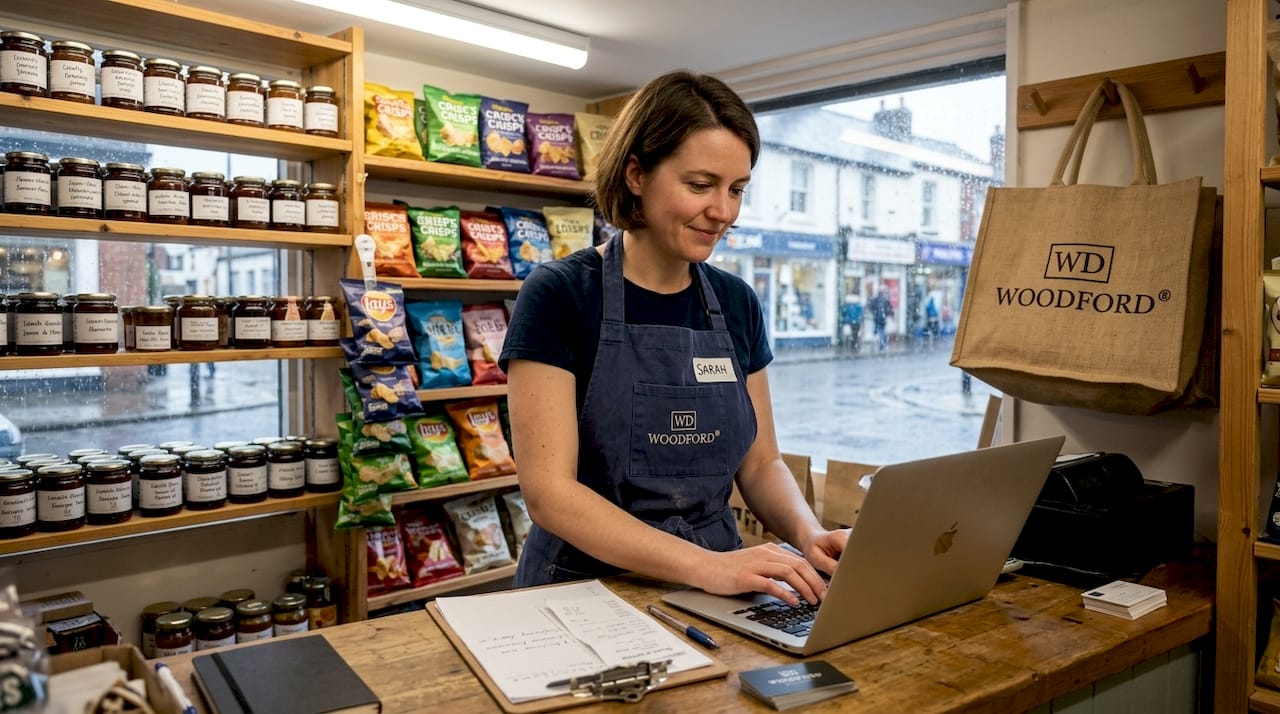
Nearly 46% of UK consumers shop at independent food retailers every single month, yet most brands and retailers stumble when it comes to the actual process of getting new products onto shelves. Food brand onboarding, the structured process of integrating a new brand into a retailer’s range, is where growth either accelerates or stalls. Whether you are an independent retailer looking to refresh your offering or a brand owner seeking wider distribution, understanding how onboarding works is the difference between a listing that thrives and one that quietly disappears. This guide walks you through every stage, from first contact to store activation.
Table of Contents
- Defining food brand onboarding for UK retailers
- Steps and mechanics: how the onboarding process works
- The benefits: why onboarding matters for independents and brands
- Challenges and edge cases: navigating barriers and making it work
- Practical application: how retailers and brands can get started
- Connect with Woodford for expert onboarding support
- Frequently asked questions
Key Takeaways
| Point | Details |
|---|---|
| Onboarding boosts reach | Integrating new brands with independents expands distribution and market presence quickly. |
| Relationships drive success | Ongoing support, authenticity, and partnership are essential for profitable, sustainable listings. |
| Start small, mitigate risk | Use consignment, trials, and tailored pitches to manage retailer risk and build brand credibility. |
| Franchise and wholesaler timelines differ | Wholesaler onboarding is often faster, making it ideal for rapid proof-of-concept deployments. |
Defining food brand onboarding for UK retailers
So what exactly does food brand onboarding mean in practice? Food brand onboarding refers to the process by which independent food retailers in the UK integrate new food brands or products into their stores for distribution and sales. It is not simply placing a product on a shelf. It is a structured relationship between a brand and a retailer, built on shared goals, clear terms, and mutual support.
For independent retailers, onboarding is how you stay relevant. Shoppers come to you for discovery, for products they cannot find in a supermarket. Curating the right brands is your competitive edge. For brand owners, independents are the launchpad. They offer flexibility, genuine engagement, and the kind of shelf presence that builds real consumer loyalty.
The core mechanics of onboarding typically include:
- Brand pitching: The brand presents its story, product range, pricing, and support offer
- Retailer evaluation: The retailer assesses fit, margin, and customer appeal
- Terms negotiation: Both parties agree on pricing, payment terms, and minimum orders
- EPOS setup: Products are added to the electronic point of sale system
- Merchandising: Products are placed and presented effectively in store
- Ongoing activation: Tastings, promotions, and relationship management keep the listing alive
“Independent retailers are not just a sales channel. They are a proving ground where brands build credibility, gather feedback, and develop the kind of loyal following that supermarkets cannot replicate.”
If you want to understand which strategic brands for independents are worth onboarding right now, it pays to look at what is driving consumer demand before you commit to a new listing.
Steps and mechanics: how the onboarding process works
With the key mechanics clarified, let us examine the evidence-backed steps that make onboarding work in practice. A well-run onboarding process follows a clear sequence, and skipping steps is where most problems begin.
- Research and shortlisting: Retailers identify brands that fit their customer profile, price point, and category gaps. Brands research which retailers align with their target audience.
- Initial outreach: The brand makes contact, either directly or through a wholesaler or distributor, with a concise pitch that covers story, product, margin, and support.
- Sampling and review: The retailer requests samples. This is non-negotiable. No serious retailer lists a product they have not tasted and tested.
- Terms negotiation: Pricing, payment terms, minimum order quantities, and return policies are agreed. This is where brand strategy for onboarding becomes critical, as poorly structured terms kill listings before they start.
- EPOS and logistics setup: Products are added to the retailer’s system and a reliable supply chain is confirmed. Understanding food logistics for wholesalers at this stage prevents costly fulfilment errors.
- In-store activation: Launch tastings, point-of-sale materials, and staff training bring the product to life on the shop floor.
- Review and optimisation: Sales data is reviewed, reorders are managed, and the relationship is nurtured for long-term success.
The key mechanics include brand pitching, retailer evaluation, terms negotiation, EPOS setup, merchandising, and ongoing activation. Each step builds on the last, and rushing any of them creates gaps that erode trust.
Onboarding timelines vary considerably: wholesaler platforms typically take around four weeks, while franchise models such as Morrisons Daily can take up to thirteen weeks. Planning around these timelines is essential for both cash flow and stock management. For a deeper look at how brand acceleration in food connects to onboarding speed, it is worth reviewing what the fastest-growing brands do differently.
| Model | Typical timeline | Complexity |
|---|---|---|
| Wholesaler platform | ~4 weeks | Low to medium |
| Direct to independent | 4 to 8 weeks | Medium |
| Franchise/symbol group | ~13 weeks | High |
Pro Tip: If you are a brand new to independent retail, start with a consignment or sale-or-return arrangement. This removes the financial risk for the retailer and dramatically increases your chances of getting that first listing.
The benefits: why onboarding matters for independents and brands
Having understood the process, let us look at what both sides actually gain. The numbers are compelling.
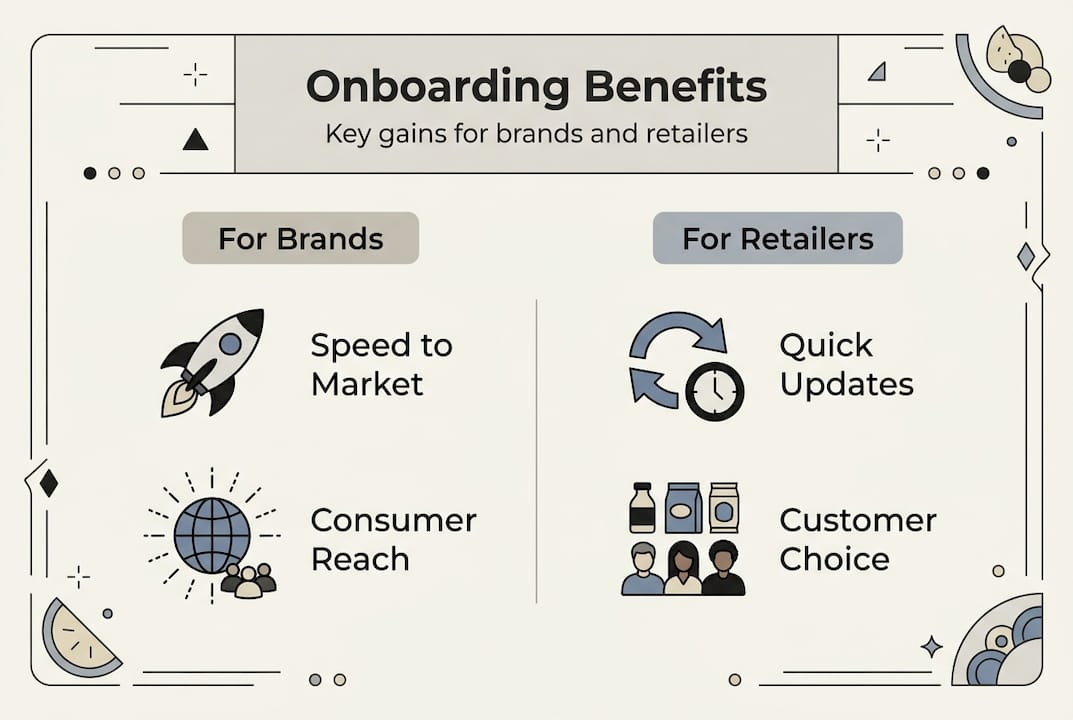
46% of UK consumers shop at independent food retailers every month. That is not a niche audience. That is a substantial, engaged, and often high-spending consumer base that actively seeks out new and distinctive products. For brands, this is a ready-made audience for discovery.
The benefits break down clearly for each party:
For brands:
- Faster market feedback compared to supermarket listings
- Lower barriers to entry and more flexible terms
- Genuine shelf presence and staff advocacy
- Proof-of-concept data to support future retail pitches
For retailers:
- Differentiated range that drives footfall and loyalty
- Improved margins on premium and speciality lines
- Stronger relationships with local and emerging producers
- A curated offer that supermarkets simply cannot match
The empirical evidence backs this up. The Good Food Retail scheme found that 100% of the 20 stores involved retained healthier product lines years after the initial onboarding, demonstrating that well-chosen listings stick. Booker Scoot onboarded 300 symbol retailers in a single year, showing the scale that structured onboarding can achieve.
| Benefit | For brands | For retailers |
|---|---|---|
| Speed to market | Fast, flexible entry | Quick range refresh |
| Consumer feedback | Real-time and direct | Immediate sales data |
| Margin opportunity | Premium pricing accepted | Higher GP on speciality lines |
| Loyalty impact | Brand advocates created | Repeat footfall driven |
Adapting to food trends for independents is far easier when your onboarding process is structured, because you can move quickly when a new category starts gaining traction. Pair that with solid food logistics tips and you have a genuinely competitive operation.
Challenges and edge cases: navigating barriers and making it work
Armed with the benefits, it is equally important to understand where onboarding goes wrong and how to avoid the most common pitfalls.
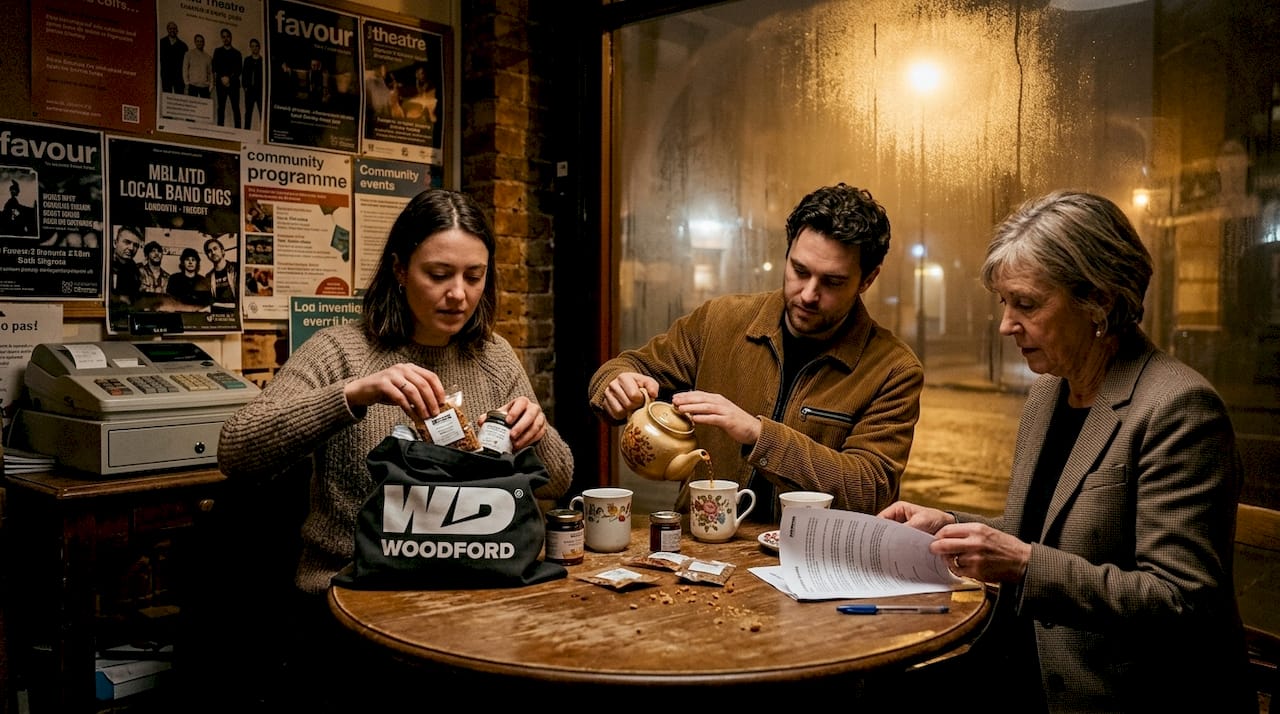
The biggest barrier for emerging brands is the supermarket route. Gaining a listing with a major multiple can cost upwards of £100,000 per year when you factor in listing fees, promotional contributions, and compliance costs. For most small and medium food brands, that is simply not viable without proven sales data.
Independents are the smarter starting point. But even here, challenges exist:
- Poor product fit: A brand that does not match the retailer’s customer base will not sell, regardless of quality
- Weak margin structure: If the numbers do not work for the retailer, the conversation ends quickly
- Lack of ongoing support: Brands that disappear after the first delivery rarely get reordered
- Slow sales velocity: Without activation, even great products can sit on shelves and erode retailer confidence
“The brands that win long-term listings are not always the ones with the best products. They are the ones that show up, support the retailer, and treat the relationship as a partnership rather than a transaction.”
To reduce risk on both sides, consignment and free trials are highly effective tools. Consignment means the retailer only pays for what they sell, removing the financial risk of a slow-moving new line. Free trials give the retailer confidence without commitment.
Pro Tip: Authenticity matters enormously to independent retailers. Brands with a genuine story, clear provenance, and a founder who is willing to engage directly with the retailer will always outperform slick but impersonal pitches.
Understanding the full range of distribution channels for food brands helps both brands and retailers identify the most efficient and cost-effective route to market before committing to a single approach.
Practical application: how retailers and brands can get started
With practical strategies in hand, here is how to put everything into action. Whether you are a retailer refreshing your range or a brand seeking your first independent listing, the following steps will get you moving.
- Define your criteria: Retailers should know their customer profile, category gaps, and margin requirements before approaching any brand. Brands should know their ideal retail partner before making contact.
- Build a compelling pitch: Brands need a one-page overview covering product story, pricing, margins, minimum orders, and support offer. Keep it concise and data-led.
- Lead with samples: Always offer samples before asking for a commitment. Let the product speak first.
- Negotiate terms that work for both sides: Fair margins, realistic minimums, and clear payment terms create the foundation for a lasting relationship.
- Plan your activation: Agree on a launch tasting, provide point-of-sale materials, and schedule a follow-up visit within the first four weeks.
- Review and iterate: Use sales data to refine your approach. What is selling? What needs support? Act on the data quickly.
“Independents offer low-barrier entry compared to major multiples, making them ideal for testing new products. Success hinges on relationships, ongoing support, and data-driven pitches.”
Using trend analysis for food brands at the research stage gives both retailers and brands a significant advantage, helping you identify which categories are growing and where the real opportunities lie before you invest time and resource in a pitch.
Connect with Woodford for expert onboarding support
At Woodford, we work every day with independent retailers and emerging food brands across the UK to make onboarding straightforward, strategic, and genuinely profitable. We know which brands are ready for independent retail, which categories are gaining momentum, and how to structure the process so that both sides win. If you are ready to expand your range or secure new distribution, explore our brands to see what is available right now. Check our current promotions for onboarding-ready lines with strong retailer support built in. Or simply visit Woodford to speak with our team about tailored onboarding guidance for your specific situation.
Frequently asked questions
How long does food brand onboarding usually take with independents?
Onboarding timelines vary: wholesaler platforms typically take around four weeks, while franchise models can take up to thirteen weeks depending on size and complexity.
What makes a food brand attractive to independent retailers?
Brands with compelling stories, strong margins, and authentic ongoing support are most appealing, particularly when they offer risk-reducing arrangements such as consignment or sale-or-return.
What are the main risks for retailers with new brand onboarding?
Poor product fit, slow sales velocity, and weak margins are the primary risks. Consignment arrangements and free trials are the most effective ways to reduce financial exposure during the trial period.
Why start with independents before supermarkets?
Supermarket entry can cost upwards of £100,000 per year, making independents a far more accessible and lower-risk route for building proof-of-concept before approaching major multiples.
Recommended
- What is brand acceleration in food: a guide for UK retailers - WOODFORD - Bringing quality foods your way
- Strategic food brands for UK independent retailers - WOODFORD - Bringing quality foods your way
- Food brand strategy drives UK retail success in 2026 - WOODFORD - Bringing quality foods your way
- Food logistics tips for UK independent retailers in 2026 - WOODFORD - Bringing quality foods your way