Choosing the right food distribution model for UK independents
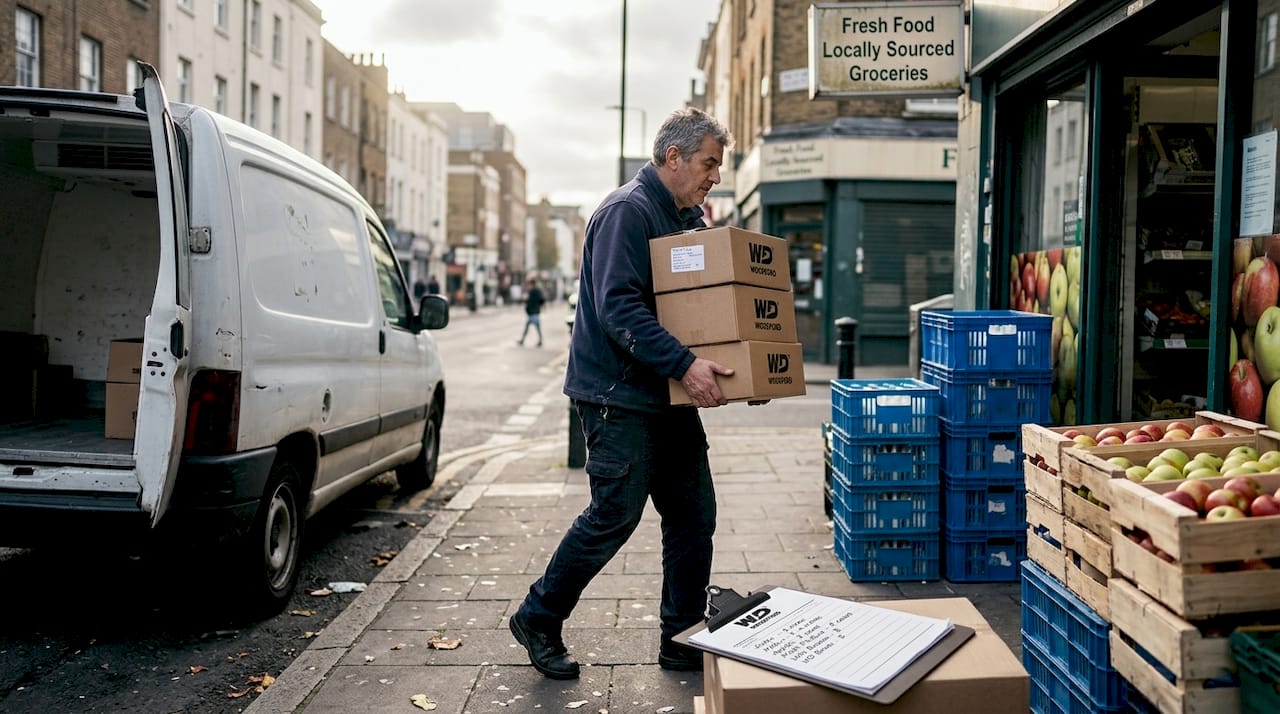
Selecting the right food distribution model is one of the most consequential decisions an independent retailer or food brand owner will make. Get it wrong and you face eroded margins, stockouts, and frustrated customers. Get it right and your supply chain becomes a genuine competitive advantage. Yet the landscape is crowded: from cash-and-carry to redistributors, broadline giants to local short chains, the options can feel overwhelming. This article cuts through the noise, laying out the key criteria, comparing the major models side by side, and helping you identify which approach, or combination of approaches, fits your business best.
Table of Contents
- Key criteria for evaluating food distribution models
- Broadline and specialty distributors
- Cash-and-carry, redistributors, and delivered wholesalers
- Local and short food supply chains
- Comparing food distribution models: which works best for you?
- Why mixing models could future-proof your small food business
- Connect with quality food distribution options
- Frequently asked questions
Key Takeaways
| Point | Details |
|---|---|
| Understand key models | There are multiple UK food distribution models—each best for certain retailer or brand needs. |
| Match model to needs | Evaluate cost, scale, and delivery flexibility to choose the right path for your business. |
| Local isn’t always better | Short supply chains offer fresh options but may lack scale or consistency for all brands. |
| Mix for resilience | Combining models and embracing digital tools can future-proof independents’ supply strategies. |
Key criteria for evaluating food distribution models
Before you can choose a model, you need a clear framework for comparison. Not all criteria carry equal weight for every business, but these are the factors that consistently separate a good distribution fit from a costly mismatch.
Cost structure is often the first consideration. Look beyond the headline price per unit and examine delivery charges, minimum order values, and any hidden fees for invoicing or returns. These can quietly erode the margin advantage you thought you were getting.
Product range and availability matters enormously depending on whether you stock a broad grocery range or focus on premium, niche, or free-from categories. A distribution channel that excels at ambient staples may be useless for artisan chilled goods.
Order flexibility covers how often you can order, minimum volumes per line, and how quickly a distributor responds to urgent requests. Independents rarely have the warehouse space to over-order, so responsiveness matters.
Geographic fit is a factor many retailers underestimate. Rural stores face a very different reality to city-centre shops. As rural independents know all too well, delivery surcharges and high minimum orders from major wholesalers can make standard models unworkable, making regional or third-party options worth exploring.
Digital integration rounds out the list. Platforms that allow online ordering, real-time stock visibility, and automated reordering reduce admin time and human error significantly.
Here is a quick checklist to run through when evaluating any model:
- Minimum order value and frequency requirements
- Delivery territory and associated surcharges
- Range depth in your core categories
- Returns and credit note processes
- Online ordering and inventory management tools
- Account management and responsiveness
“The best distribution model is not the cheapest one. It is the one that reliably gets the right products to your shelf at a cost your margin can absorb.”
Understanding food supply chain models at a structural level also helps you ask better questions when negotiating with potential partners.
Broadline and specialty distributors
With selection criteria clear, let’s look at the two dominant distributor types you will encounter in the UK food trade.
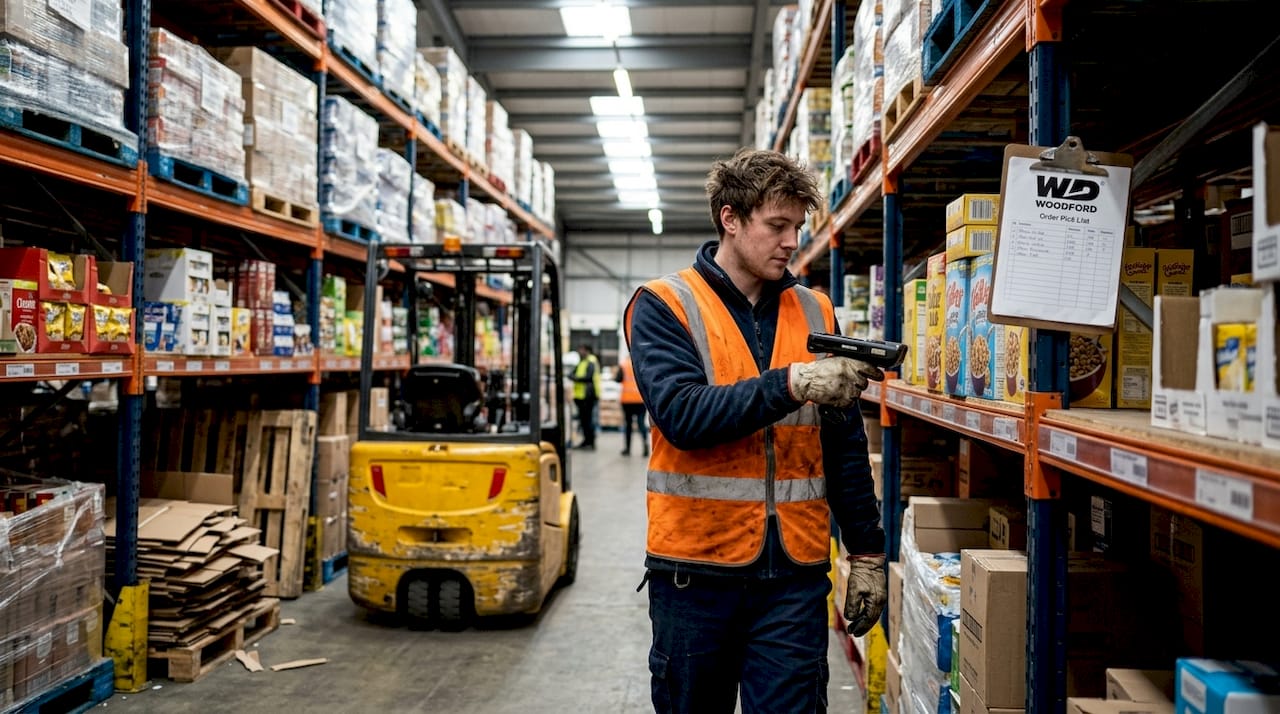
Broadline distributors carry an enormous range, typically spanning ambient, chilled, frozen, and non-food categories. They suit larger independents and multi-site operators who want to consolidate purchasing with fewer suppliers. The efficiency gains are real: one invoice, one delivery, one relationship. The downside is that broadline versus specialty comparisons consistently show broadline models favour volume buyers. If your weekly order is modest, you may struggle to meet minimums or negotiate competitive pricing.
Specialty distributors focus on defined categories: organic, vegan, premium deli, world foods, or artisan bakery, for example. They offer genuine depth of range in their niche, often including brands that broadline operators simply do not carry. For independents whose identity is built around a curated, distinctive offer, specialty distributors are frequently the better fit.
Key considerations when choosing between the two:
- Broadline suits stores with high volume and broad category needs
- Specialty suits stores with a defined niche, premium positioning, or trend-led range
- Brands launching into retail often find specialty distributors more receptive to new listings
- Broadline partners may offer better payment terms and logistics infrastructure
Pro Tip: If you are a food brand owner, aligning with a specialty distributor that already has relationships with your target retailers dramatically shortens your route to shelf. Explore strategic brand choices and how retail strategies for distribution influence listing decisions before approaching a distributor.
The main types of food distribution models confirm that broadline and specialty represent opposite ends of a spectrum, and many successful independents use elements of both.
Cash-and-carry, redistributors, and delivered wholesalers
After exploring broadline and specialty routes, consider how independents can benefit from models focused on flexibility and access.
Cash-and-carry remains a cornerstone for thousands of UK independents. You visit the depot, select what you need, pay, and take it away. No minimum order anxiety, no delivery windows to manage. Prices are typically lower because you are absorbing the logistics cost yourself. The trade-off is your own time and transport costs, which are easy to underestimate.
Redistributors play a vital but often overlooked role. They buy in bulk from manufacturers or primary wholesalers and break those quantities down into smaller lots, making products accessible to stores that could never meet the original minimum order. For rural and small-format independents who face delivery charges and minimum orders from major wholesalers, redistributors can be genuinely transformative.
Delivered wholesalers offer the convenience of stock arriving at your door on a schedule. The cost per case is usually higher than cash-and-carry, and minimum order values apply. But for time-pressed operators, the saved hours often justify the premium.
Practical trade-offs at a glance:
- Cash-and-carry: lower unit cost, but your time and transport are real costs
- Redistributors: great for access and small volumes, but range may be narrower
- Delivered wholesalers: convenient, but watch for delivery charges and volume thresholds
Pro Tip: Combining cash-and-carry for core lines with a delivered wholesaler for top-up orders is a popular hybrid approach. Read more about logistics strategies for independents and whether cross-docking could further streamline your inbound supply.
Local and short food supply chains
Beyond wholesalers, direct and local sourcing offer compelling alternatives for certain UK independents.
Short food supply chains (SFSCs) are defined by the number of intermediaries between producer and retailer. In the UK context, this typically means sourcing directly from farmers, regional producers, or local food hubs. Fewer intermediaries means fresher product, lower food miles, and a story your customers will pay a premium for.
The advantages of local supply are well documented: direct sales through farmers’ markets or community-supported agriculture schemes, tighter producer relationships, and a stronger sustainability narrative. For independents in market towns or areas with strong local food culture, SFSCs can be a genuine point of difference.
However, the barriers are real:
- Supply consistency is harder to guarantee, especially seasonally
- Producers may lack the logistics infrastructure to deliver reliably
- Range is inherently limited compared to wholesale
- Food brands seeking wide retail distribution will find local chains insufficient on their own
“Local supply chains work brilliantly for fresh produce, artisan goods, and seasonal ranges. They rarely work as a standalone strategy for a full-range independent.”
The smartest approach is to use local sourcing as a premium layer on top of a more conventional wholesale base. It adds credibility and margin without exposing your whole operation to supply risk. Staying on top of adapting to food trends helps you judge when local sourcing will resonate most strongly with your customers.
Comparing food distribution models: which works best for you?
Let’s bring it all together. The table below gives you a direct comparison across the models we have covered.
| Model | Cost | Flexibility | Range | Best suited for |
|---|---|---|---|---|
| Broadline distributor | Medium | Low to medium | Very wide | Larger independents, multi-site |
| Specialty distributor | Medium to high | Medium | Deep in niche | Premium, niche, or trend-led stores |
| Cash-and-carry | Low | High | Wide | Cost-focused, time-flexible operators |
| Redistributor | Low to medium | High | Moderate | Small stores, rural independents |
| Delivered wholesaler | Medium to high | Low to medium | Wide | Convenience-focused, time-poor operators |
| Local/short chain | Variable | Low | Narrow | Stores with strong local identity |
As cash-and-carry and buying groups demonstrate, cost savings and flexibility are achievable for independents who are willing to absorb some of the logistics effort themselves. Meanwhile, digital integration is increasingly the factor that separates efficient operators from those drowning in admin.
For food brands, the decision matrix looks slightly different. You need to weigh reach against margin, and speed to shelf against the quality of retailer relationships a distributor brings. A trend analysis for food brands can sharpen your understanding of which retail channels are growing fastest, informing which distribution model gives you the best access. Equally, understanding food logistics for wholesalers helps brands anticipate what their distribution partners need from them.
No single model wins outright. The right answer depends on your volume, location, category, and ambition.
Why mixing models could future-proof your small food business
Here is the perspective most distribution guides skip: the question is not which model to choose. It is how quickly you can move from a single-model dependency to a deliberately blended approach.
Rural independents who rely solely on one major delivered wholesaler are one policy change away from a supply crisis. Food brands that depend entirely on a single specialty distributor face the same fragility. The evidence from the food supply chain consistently shows that businesses blending broadline efficiency with specialty depth and local sourcing are more resilient, not just more interesting.
Digital tools have made hybrid approaches far more practical than they were five years ago. Ordering platforms, inventory management software, and demand forecasting tools mean you can manage multiple supplier relationships without drowning in complexity. The operational overhead that once made blending models impractical has shrunk considerably.
Our view is that independents should treat their distribution channel selection as a living strategy, not a one-time decision. Test a new model alongside your existing one. Measure the impact on margin, availability, and time. Evolve from there. The businesses that thrive in the next five years will be those that treat distribution as a dynamic capability rather than a fixed cost.
Connect with quality food distribution options
If you are ready to act on your food distribution strategy, Woodford makes it straightforward. As the UK’s leading strategic food wholesaler, we work with independent retailers and ambitious food brands to provide exclusive distribution, trend-led curation, and logistics that actually work. Whether you are a retailer seeking a more distinctive range or a brand looking for the right route to shelf, our flexible, UK-focused approach is built around your needs. Browse our brands to discover what we currently stock and distribute, or visit Woodford Spotlight to explore featured promotions and new opportunities tailored for independent retail.
Frequently asked questions
What’s the most cost-effective distribution model for a small UK retailer?
Cash-and-carry and regional wholesalers typically offer the lowest unit costs and greatest flexibility for independents who can manage their own collection and logistics.
How can rural retailers overcome high minimum orders from major wholesalers?
Diversifying with regional wholesalers and third-party redistributors allows rural retailers to access products in smaller quantities without being locked into unworkable volume commitments.
Are short food supply chains suitable for all types of food brands?
Short local chains work well for producers selling into local or regional markets, but they are rarely sufficient for brands that need consistent, wide-scale retail distribution.
What role does digital integration play in food distribution?
Digital integration streamlines ordering and inventory management, reducing admin burden and helping independents control costs as supply chain complexity increases.
Recommended
- Food logistics tips for UK independent retailers in 2026 - WOODFORD - Bringing quality foods your way
- Strategic food brands for UK independent retailers - WOODFORD - Bringing quality foods your way
- Why adapt to food trends: boost independents’ growth - WOODFORD - Bringing quality foods your way
- Types of food distribution channels to boost your supply chain - WOODFORD - Bringing quality foods your way