
Distributor vs broker: which one your brand actually needs
A broker sells your product; a distributor buys, stocks and delivers it. That’s the whole distinction, and almost everything else in this article is detail on top of it.
Here’s the two-line rule: if you need buyer relationships and shelf space right now, hire a broker. If you need warehousing, regular deliveries and someone to carry inventory risk, sign with a distributor. Most brands eventually need both.
Quick decision cues before you read further:
- Buyer access problem? A broker’s existing relationships with category managers get you in the door faster than a cold pitch ever will.
- Fulfilment problem? A distributor takes stock off your hands, invoices retailers, and chases payment so you don’t have to.
- Cash flow tight? Distributors buy your product outright, which frees cash but hands them margin. Brokers cost nothing until they sell.
- Scaling past a handful of independents? You’ll likely need a distributor’s logistics network sooner than you think.
Key Takeaways
The core distinction is functional, not semantic: a broker earns commission by selling on your behalf without owning stock, while a distributor buys, warehouses and delivers your product for a margin.
| Point | Details |
|---|---|
| Definitions differ by ownership | A broker sells without owning stock; a distributor buys, warehouses and delivers it. |
| Pay structures diverge | Brokers earn 3 to 7% commission; distributors typically take a 25 to 35% margin. |
| Stage the relationship | Self-distribute first, add a broker for listings, bring in a distributor once logistics scale demands it. |
| Contract details protect margin | Negotiate fill-rate SLAs, itemised deductions, and tiered margin reductions before signing. |
| Track performance quarterly | Monitor fill rate, deduction rate and listing wins to catch a underperforming partner early. |
Table of Contents
- Distributor vs broker: what each one actually does day to day
- How the money works: commission, margin and who carries the risk
- When to use a broker, a distributor, or both
- Checklist for vetting and negotiating with brokers and distributors
- What distributors actually do for retailers, in Woodford’s experience
- Do regulations change whether you need a broker or a distributor?
- How to measure whether a broker or distributor is actually performing
- Real-world patterns: brands that got the sequencing right
- Frequently asked questions
- Sources
Distributor vs broker: what each one actually does day to day
A broker is a sales agent. They call on buyers, sit in category review meetings, negotiate promotional slots, and get paid a commission when product moves off the shelf, not before. They never touch your inventory and never take ownership of it.
A distributor is a merchant. They purchase your product outright, warehouse it, and deliver it, sometimes through direct store delivery (DSD), where a driver restocks shelves on a set route rather than shipping to a central depot. Distributors also handle invoicing, chase payment from retailers, and absorb the credit risk if a store goes under owing money.
The retailer-side relationship differs too:
- Brokers deal with category managers and buying teams, the people who decide what gets listed and where it sits on the shelf.
- Distributors deal with operations and receiving staff, the people who take delivery, check invoices, and manage stockroom space.
- Brokers influence what gets bought; distributors execute the buying.
That split matters when something goes wrong. A broker can’t fix a late delivery. A distributor can’t get you a better shelf position. Confusing the two roles is the most common reason brands end up frustrated with a partner who was never equipped to solve their actual problem.
How the money works: commission, margin and who carries the risk
Brokers work on commission, commonly 3 to 7% of net sales depending on the services bundled in, sometimes higher for smaller or newer brands that need more hand-holding. Because they’re paid on volume, they’re incentivised to chase listings and promotions rather than slow-moving SKUs.
Distributors work on margin. They buy your product at a wholesale price and mark it up, with typical distributor margins landing in the 25 to 35% off-invoice range depending on category and service level.
Pro Tip: *Ask any prospective distributor for their standard deduction policy in writing before you sign.
- Broker risk: you pay nothing if they don’t sell, but a bad broker wastes months of buyer goodwill.
- Distributor risk: they carry your stock and the credit risk of unpaid invoices, which is why their margin sits higher than a broker’s commission.
- Your risk either way: returns, aged stock and deduction disputes usually land back on the brand’s P&L eventually.
When to use a broker, a distributor, or both
Most brands don’t choose once and stick with it. The right partner changes as the business grows, and the staged pathway that most CPG brands follow looks something like this:
- Self-distribute to prove the concept. Early on, you deliver to a handful of independent stores yourself, learn what sells, and build the case studies you’ll need later.
- Bring in a broker to win listings. Once you have some traction, a broker’s existing buyer relationships get you into more stores faster than you can manage alone, and you only pay when they deliver results.
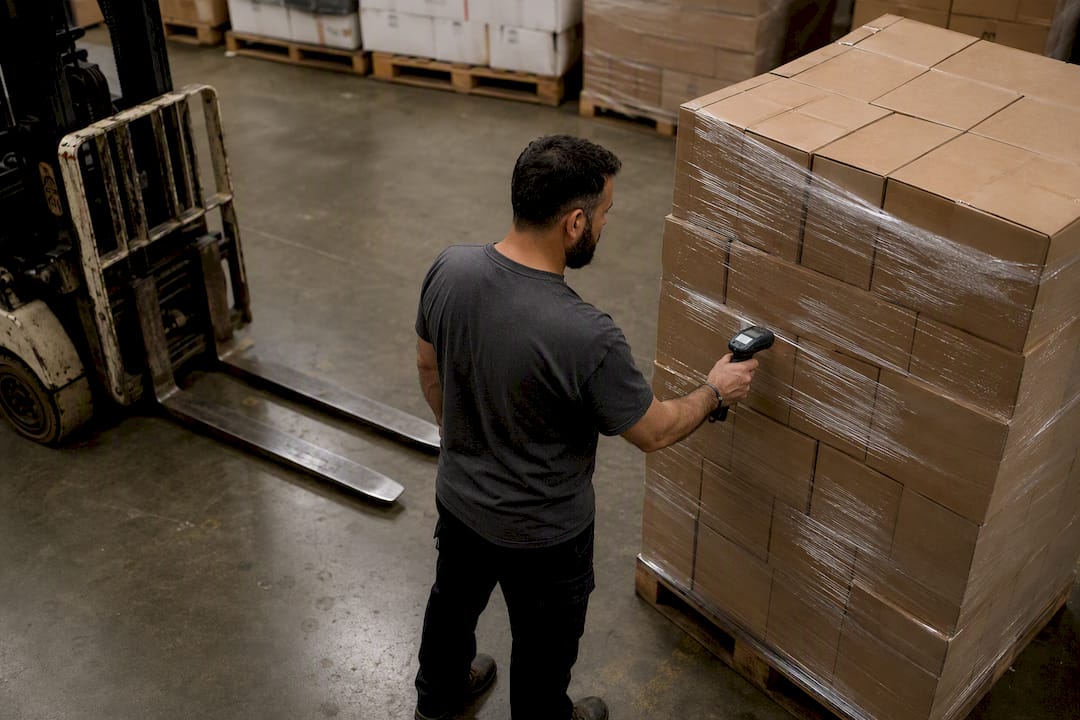
- Onboard a distributor once scale demands logistics. When you’re juggling delivery schedules across dozens of accounts, or a regional chain wants one invoice and one delivery slot instead of five, you need warehousing and route logistics a broker was never built to provide.
Channel type dictates a lot of this. Independent stores and small chains often deal directly with a founder or a broker. Regional chains usually expect a distributor relationship because their receiving processes assume palletised, consolidated deliveries. National grocery accounts almost always require a distributor, sometimes a specific approved one, before they’ll even take a listing meeting. Foodservice sits closer to distributor territory too, since kitchens need reliable, scheduled deliveries far more than they need a sales pitch.
The trade-off is consistent across every stage: brokers preserve your margin but cost you time and control over fulfilment; distributors take a bigger cut of the margin but hand you back operational relief. As one industry synthesis puts it, the broker opens the door and the distributor keeps the shelf stocked, and running both at once is normal, not a sign you’ve overcomplicated things. The types of food distribution channels you’re selling into will usually make the decision for you before you’ve had to think too hard about it.
Checklist for vetting and negotiating with brokers and distributors
Before you sign anything, verify the partner actually has what they claim.
- Ask for named buyer relationships, not a vague claim of “strong retail contacts.” A broker should be able to name the category managers they’ve worked with in your specific channel.
- Check for portfolio conflicts. If a broker already represents a near-identical product, your brand will get second priority whenever the two clash for the same promotional slot.
- Confirm dedicated rep coverage per channel. Generic account coverage across grocery, convenience and foodservice usually means superficial expertise in all three.
- Ask for references from brands of your size, not their biggest client, who tells you nothing about how they’ll treat you.
Contract red flags matter just as much as the sales pitch:
- Termination notice. Anything under 90 days locks you into a partner who’s stopped performing, with no quick way out.
- Fill-rate SLAs. A 95%+ fill-rate commitment should be written into the contract, not promised verbally.
- Deduction transparency. Insist on itemised deduction reporting; opaque deductions commonly erode margin by 2 to 5%, and you’ll never spot it without a paper trail.
- Exclusivity terms. Exclusive distribution rights in a territory can be valuable, but only if paired with minimum performance commitments in return.
Pro Tip: Negotiate margin on a tiered structure rather than a flat rate. Adjust the bands to your own market, but the tiering principle is worth pushing for every time.
Full contract mechanics, including exclusivity clauses and SLA wording, are worth reading in detail before you negotiate; Woodford’s own breakdown of food distributor contracts for UK brands covers the clauses that most often get glossed over.
What distributors actually do for retailers, in Woodford’s experience
Woodford works as a distributor for independent retailers and multi-site groups across the UK, and the pattern we see most often is retailers underestimating how much administrative load a distributor takes off their plate until they experience it. Wholesalers and distributors typically provide warehousing, trade credit, consolidated invoicing and category support that individually would each require a separate supplier relationship to replace.
The practical outcomes for retailers are straightforward:
- One invoice instead of ten, because consolidated ordering across multiple brands means less time reconciling paperwork.
- Trend curation done for you, so a small store gets access to product ranges it wouldn’t have the buying power or time to source alone.
- Fewer stockouts, because a distributor’s warehousing buffers against the supply gaps that hit brands relying purely on direct delivery.
- Trade credit terms that ease cash flow pressure compared with paying every supplier upfront.
For a deeper look at how logistics networks actually function behind the scenes, Woodford’s guide to wholesale logistics for UK food retailers walks through the mechanics, and how UK distributors boost independent food retail success covers the retailer side of the relationship in more depth.
Do regulations change whether you need a broker or a distributor?
Regulation doesn’t decide broker versus distributor for you, but it does shift how much weight falls on each role. Food safety and traceability rules, allergen labelling, and category-specific licensing (alcohol, food supplements, novel foods) all require someone in the supply chain to hold documentation and respond to audits. That responsibility sits with whoever holds the stock, which is almost always the distributor.
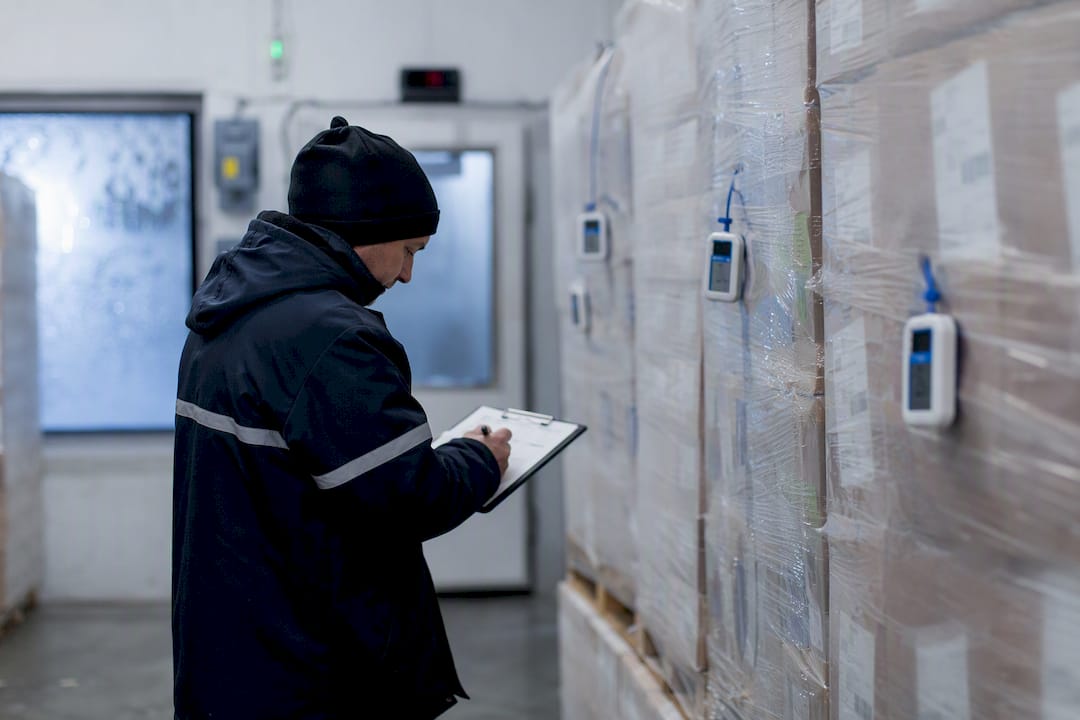
A broker selling on your behalf typically has no regulatory obligation for the product itself since they never take title to it. The brand and the distributor carry that burden between them, which is why distributor contracts often specify who’s responsible for batch recall procedures, temperature-controlled storage compliance, and label accuracy checks before goods reach a retailer’s shelf.
This has a practical consequence for negotiation: a distributor handling regulated categories, chilled or frozen goods, alcohol, or anything requiring specific storage conditions, will usually charge a higher margin to reflect the compliance burden they’re absorbing. If a prospective distributor can’t clearly explain how they handle recalls or temperature logging, that’s a sign their operation isn’t set up for regulated categories at all, regardless of how competitive their margin quote looks.
Brands entering foodservice or national grocery accounts should also expect retailers to demand proof of the distributor’s compliance credentials directly, sometimes before they’ll even review the brand’s own paperwork. That’s another reason the stage-based pathway matters: the compliance overhead that’s manageable for a handful of independent stores becomes a genuine barrier once you’re trying to scale into regulated channels without the right partner in place.
How to measure whether a broker or distributor is actually performing
Contracts are only useful if you’re tracking whether the partner is delivering against them. For brokers, the metrics that matter most are listing wins per quarter, promotional slot frequency, and sell-through rate at retail, since a broker who wins a listing but never follows up with promotional support is only doing half the job.
For distributors, fill rate is the single most telling number: anything consistently below the 95% benchmark signals a warehousing or ordering problem that will eventually show up as empty shelves. Alongside that, track on-time delivery percentage, deduction rate as a proportion of gross invoice value, and days sales outstanding if you’re extending credit terms.
Both roles should also be judged on responsiveness: how quickly does a broker get back to you after a buyer meeting, how fast does a distributor resolve a shorted order. These aren’t vanity numbers. A distributor with a strong fill rate but a habit of burying deductions in monthly statements will quietly cost you more than a distributor with a slightly lower fill rate but full transparency.
Pro Tip: Request quarterly business reviews as a standing contract term, not an optional extra. A partner unwilling to commit to regular reporting on these metrics is telling you something about how they operate.
Real-world patterns: brands that got the sequencing right
The pattern that shows up most often among brands that scale successfully isn’t a single dramatic decision, it’s sequencing. A small brand that starts by delivering to five independent stores itself learns exactly what sell-through looks like and builds proof points a broker can later use in a buyer pitch. Skip that step and a broker has nothing concrete to sell beyond enthusiasm.
Once that groundwork exists, brands that bring in a broker tend to see faster listing wins precisely because the broker isn’t cold-pitching, they’re walking into a meeting with sales data already in hand. The complementary nature of the two roles becomes obvious at this stage: the broker’s job was never to deliver stock, and trying to make them do it usually ends with missed deliveries and a frustrated buyer.
The switch to a distributor tends to happen for a mundane but decisive reason: the maths on self-delivery stops working. One useful comparison from foodservice shows that once weekly order volumes rise past a modest threshold, the real cost of running to a wholesale market yourself, staff time, fuel, vehicle wear, ends up higher than paying a distributor’s margin. The same logic applies to retail brands juggling their own delivery van once they’re serving a dozen or more accounts. A distributor stops looking like an added cost and starts looking like the cheaper option once you account for what your own time is worth.
Frequently asked questions
What is the main difference between a broker and a distributor? A broker sells on commission without ever owning the product; a distributor buys the product outright, stores it, and delivers it to retailers. That ownership difference is the root of nearly every other distinction between them.
Is a food broker the same as a food distributor? No. A food broker represents brands to retail buyers and earns commission on sales. A food distributor purchases inventory, warehouses it, and handles delivery, invoicing and often direct store delivery (DSD) to retail locations.
What does DSD mean in grocery? DSD stands for direct store delivery, where a distributor’s driver delivers product straight to individual store shelves on a set route, rather than shipping to a central retailer warehouse first.
Is a distributor the same as a wholesaler? The terms overlap heavily in practice. Both buy stock and resell it, though “wholesaler” sometimes implies broader, less brand-specific product ranges while “distributor” often implies a closer, sometimes exclusive relationship with specific brands.
Do I need a broker before I need a distributor? Usually, yes, though it depends on your starting scale. Most brands prove demand through self-distribution first, then use a broker to win listings, and only bring on a distributor once delivery volume or retailer scale makes self-fulfilment impractical.
Can I use a broker and a distributor at the same time? Yes, and it’s the norm rather than the exception once a brand reaches multiple regional accounts. The broker keeps winning new listings and negotiating promotions while the distributor handles the ongoing logistics of keeping those shelves stocked.


