
What is farm to shelf? A consumer's guide
TL;DR:Farm to shelf refers to the entire food supply chain from farm production through processing, logistics, and retail to the consumer, emphasizing transparency and traceability. This non-regulated term requires consumers to scrutinize labels, seek verifiable origins, and trust well-managed supply partners to ensure genuine provenance. Supporting local, seasonal, and certified products enhances food quality, safety, and sustainability, especially when combined with active consumer engagement and reliable traceability technology.
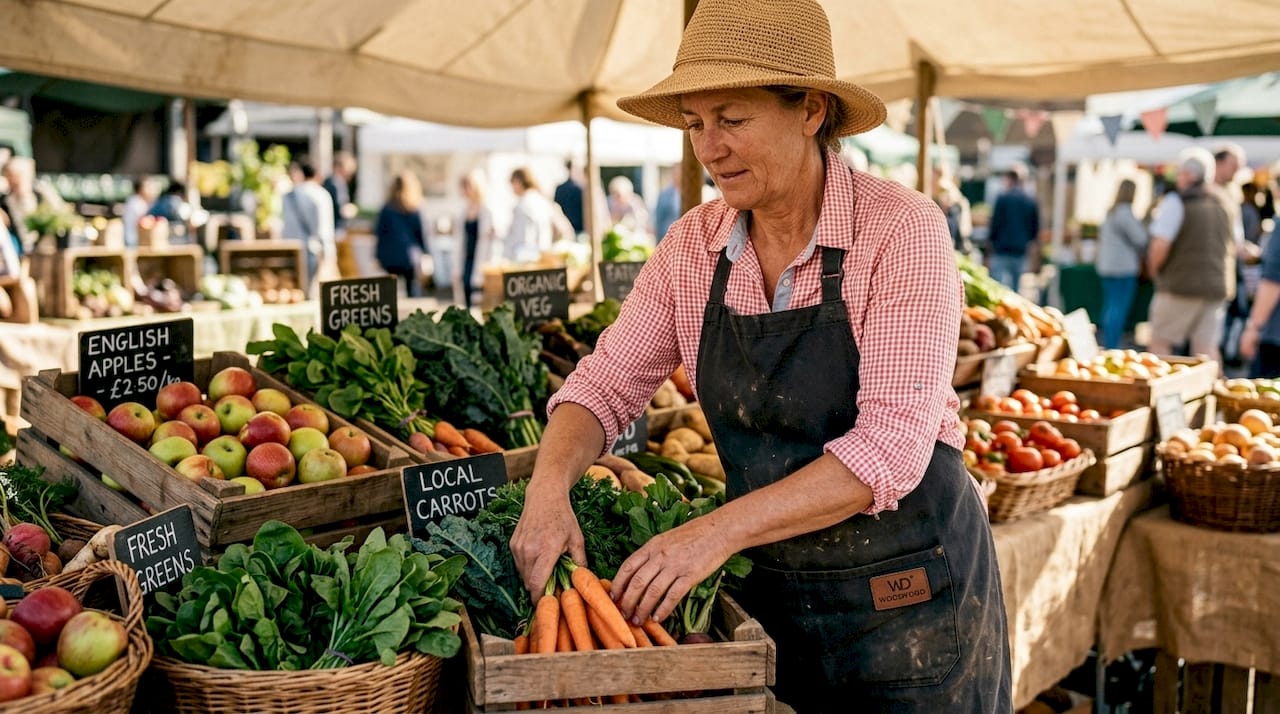
Farm to shelf is the complete journey food takes from the farm where it is grown through every stage of processing, packaging, logistics, and retail handling until it reaches the store shelf where you buy it. This supply chain concept sits alongside related phrases like the farm to table concept and the farm to plate definition, but it carries a distinct meaning that matters when you are making decisions about sustainable and locally sourced food. Understanding what farm to shelf means gives you the tools to cut through marketing language and ask the right questions about what you are actually eating.
What is farm to shelf and how does it work?
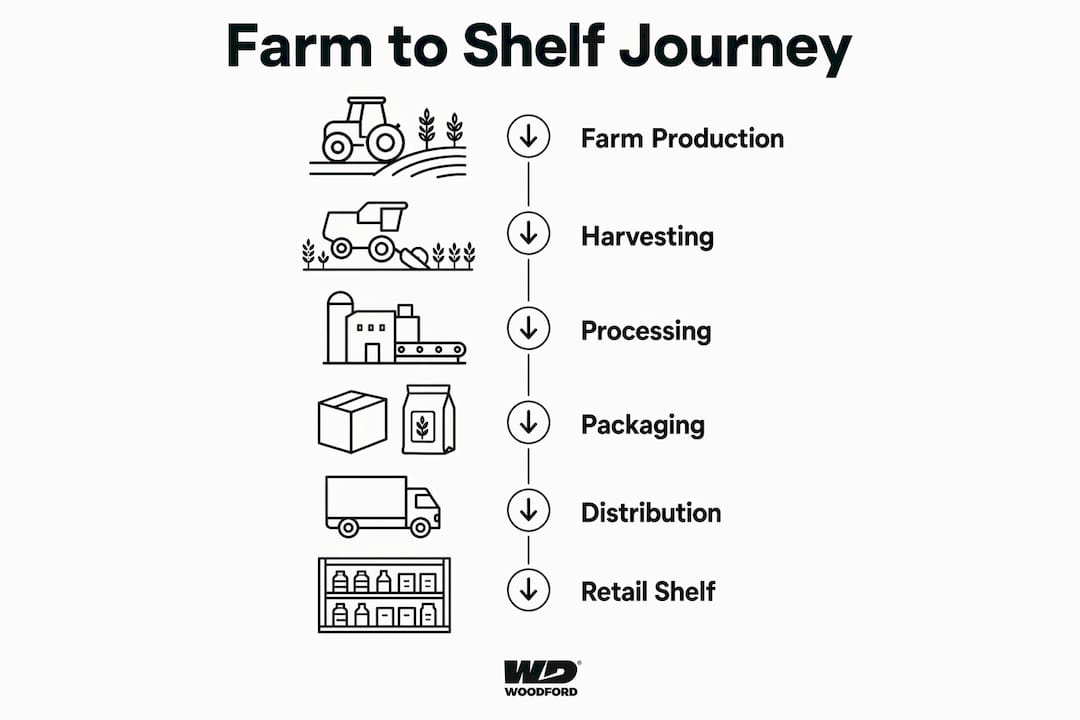
Farm to shelf refers to the full supply chain journey food takes from production through harvesting, processing, packaging, storage, distribution, and retail display. Every step between the field and the shop floor falls within this definition. The phrase captures the entire system rather than a single relationship between a grower and a buyer.
The concept matters because what happens between the farm and the shelf directly affects the quality, safety, and sustainability of what you eat. A tomato grown on a family farm in Kent and a tomato grown on an industrial site in Spain may both carry a “farm fresh” label, but their journeys to your basket could not be more different. Farm to shelf thinking asks you to consider the whole path, not just the starting point.
Woodford works with food brands that take this full journey seriously, which is why understanding the supply chain is not just an academic exercise. It shapes which products deserve a place on independent retail shelves and which ones are coasting on vague claims.
What stages and players are involved in the farm-to-shelf journey?
The food supply chain is an interconnected network of producers, processors, logistics providers, and retailers, all working in sequence to move food safely from field to consumer. Each stage introduces new variables that affect freshness, safety, and traceability. Here is how the journey typically unfolds:
- Growing and harvesting. Farmers cultivate and harvest produce according to seasonal cycles and quality standards. This is where origin data, batch numbers, and growing conditions are first recorded.
- Sorting and packing. Produce is graded by size, quality, and condition. Damaged or substandard items are removed. Packing facilities apply labelling that should, in a transparent system, trace back to the specific farm and harvest date.
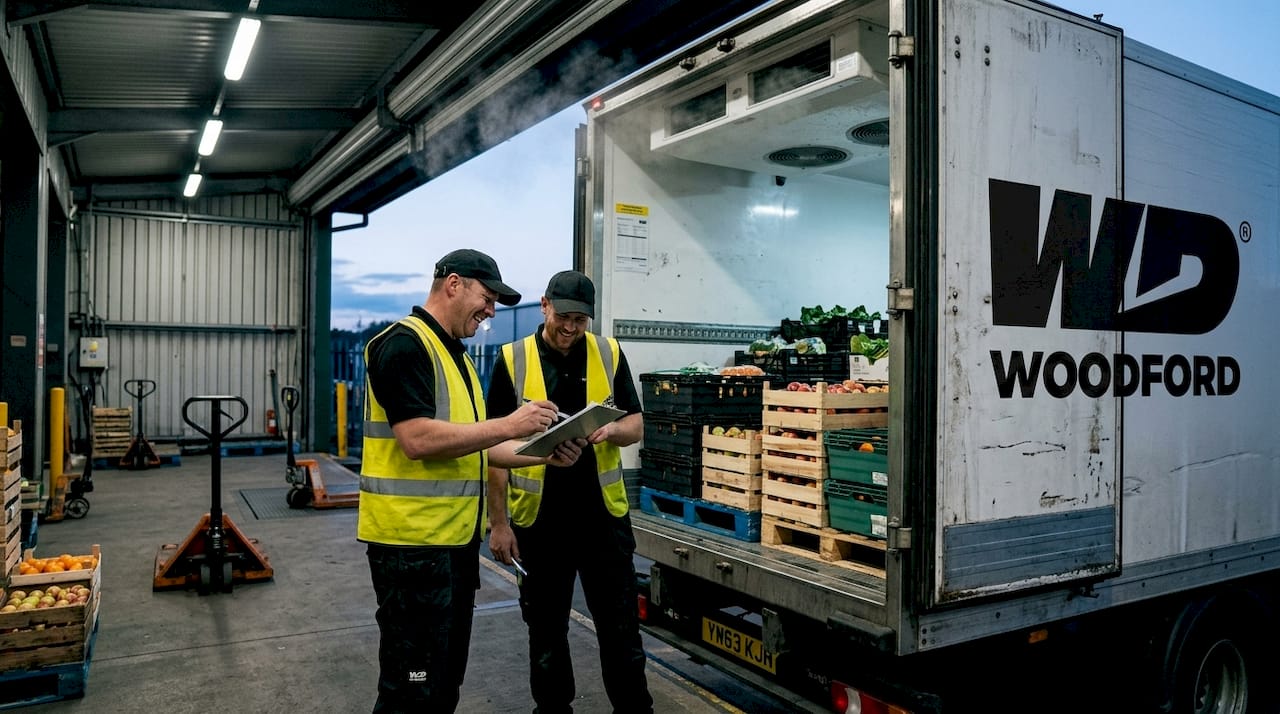
- Storage and cold-chain management. Fresh produce enters temperature-controlled storage. Cold-chain handling is the critical control point in any farm-to-shelf system. A single temperature excursion during transit can shorten shelf life by days and compromise food safety entirely.
- Distribution and logistics. Hauliers and distribution centres move goods from packing facilities to regional hubs and then to individual retailers. Processes like FIFO (first in, first out) rotation and reverse logistics for unsold stock are applied here.
- Retail display. Products reach the shop floor, where handling, shelf positioning, and storage conditions continue to affect quality right up to the moment of purchase.
The players involved include farmers, co-operatives, food manufacturers, third-party logistics providers, wholesalers like Woodford, and retailers. Each actor in this chain holds responsibility for maintaining quality and recording accurate data. When one link fails, the consequences ripple forward to the consumer.
Pro Tip: When buying fresh produce, check the pack date rather than just the best-before date. A product packed close to its best-before has likely spent longer in the supply chain and will deteriorate faster once opened.
How does farm to shelf differ from farm to table and related concepts?
These terms are used loosely in marketing, but they carry meaningfully different implications. The table below sets out the core distinctions:
| Term | What it means | Is it regulated? |
|---|---|---|
| Farm to shelf | Complete supply chain from farm through processing, logistics, and retail | No formal regulation |
| Farm to table | Direct local sourcing with fewer intermediaries, emphasising freshness and seasonality | No formal regulation |
| Farm to fork | Broad EU policy framework covering the entire food system from production to consumption | Policy framework, not a product label |
| Farm to plate | Informal term broadly synonymous with farm to table, used in restaurant and retail marketing | No formal regulation |
The farm to table concept implies a shorter, more direct relationship between grower and consumer. A restaurant genuinely sourcing farm to table can name specific farms and changes its menu based on what those farms actually produce each week. A restaurant using the phrase as marketing cannot. The same logic applies to retail products.
Farm to shelf, by contrast, does not imply directness or brevity. It simply describes the full chain, however long or complex that chain may be. This is why the phrase is more accurate for describing how most food actually reaches supermarket and independent retail shelves. The problem is that neither term carries a regulated certification, unlike “organic” or “Red Tractor” in the UK. Any brand can print “farm to shelf” on its packaging without meeting any defined standard.
This absence of regulation places the burden of verification squarely on you as a consumer, and on the retailers and wholesalers you trust to do that work on your behalf.
What role does transparency and traceability play in farm-to-shelf food sourcing?
Traceability is the mechanism that gives farm to shelf claims their credibility. Without it, the phrase is marketing. With it, the phrase becomes a verifiable commitment. End-to-end traceability means that accurate data covering origin, handling conditions, batch numbers, and timing exists at every stage from the farm through processors and logistics to the retail shelf.
Technology is making this more achievable. AI-driven data ingestion systems now allow retailers to capture traceability data without overhauling warehouse operations. QR codes on packaging can link consumers to origin information, growing conditions, and handling records. The USDA’s Process Verified Programme offers one model for how third-party verification can work, though it is not a farm-to-shelf certification in itself.
The critical question to ask of any traceability claim is whether it covers the full chain or only selected segments. Some brands build consumer-facing traceability tools around QR codes, but partial traceability that covers only the farm-to-packer stage, for example, tells you nothing about what happened during distribution and retail storage. That gap matters.
“Consumers should ask whether traceability covers the full chain from grower to store shelf, not just one segment of it.”
When evaluating a product’s sourcing claims, look for:
- Named farm or grower origin, not just a country or region
- Harvest or pack date clearly displayed
- Third-party verification or certification from a recognised body
- Retailer or brand transparency about logistics partners
- Seasonal availability that aligns with genuine local sourcing
Food provenance is not a nice-to-have for independent retailers. It is the foundation of consumer trust, and the brands that invest in it consistently outperform those that rely on vague labelling.
What are the practical benefits and challenges of the farm-to-shelf model?
The benefits of farm to shelf sourcing, when it is done properly, are substantial. Shorter, more transparent supply chains produce fresher food because there are fewer handling stages and less time in transit. Local sourcing reduces the carbon footprint associated with long-haul refrigerated transport. Supporting regional producers keeps money circulating in local economies and helps maintain agricultural diversity.
Fresher produce also means better nutritional value. Vitamins and antioxidants in fruit and vegetables degrade over time, particularly when stored at suboptimal temperatures. A product that has spent three days in transit rather than ten arrives at the shelf with measurably more nutritional content.
The challenges are equally real, however. The absence of a regulated standard means that “farm to shelf” can be applied to any product regardless of how many intermediaries were involved or how far the food travelled. Cold-chain failures during the fruit and vegetable supply chain stages of sorting, packing, and distribution can undermine the freshness benefits entirely. Supply variability is another genuine constraint. Genuinely local and seasonal sourcing means accepting that certain products will not always be available, which conflicts with the consumer expectation of year-round choice.
Pro Tip: Seasonal availability is one of the most reliable indicators of genuine local sourcing. If a product claims UK farm origin but is available year-round regardless of season, ask how that is possible.
The most misleading farm-to-shelf claims tend to share common features: vague geographic origin (“British countryside”), no named producer, and availability patterns that do not match UK growing seasons. Recognising these patterns protects you from paying a premium for marketing rather than provenance.
How can you find and support genuine farm-to-shelf products?
Finding products that genuinely follow transparent farm-to-shelf practices requires a degree of active engagement. Here is a practical approach:
- Read the label critically. Look for a named farm or producer, a specific region, and a pack or harvest date. Generic claims like “sourced from British farms” without further detail are a warning sign.
- Shop at farmers markets and farm shops. Direct-to-consumer channels remove most of the supply chain complexity and allow you to ask the grower directly about their practices. The Soil Association and FARMA (the National Farmers Retail and Markets Association) maintain directories of verified markets and farm shops across the UK.
- Ask your independent retailer. A good independent retailer knows its suppliers. If the person behind the counter cannot tell you where a product comes from, that itself is informative. Retailers who work with wholesalers like Woodford can often trace products back through a verified supply chain.
- Look for recognised UK certifications. Red Tractor, Soil Association Organic, and LEAF Marque are regulated standards with audit requirements. They do not guarantee a short supply chain, but they do confirm that specific standards were met at the production stage.
- Align your purchases with the season. The food distribution cycle in the UK follows clear seasonal patterns. Buying strawberries in June from a UK grower is credible. Buying them in January with a UK origin claim is not.
Key takeaways
Farm to shelf is a concept, not a regulated standard, so the credibility of any claim depends entirely on the traceability and verification behind it.
| Point | Details |
|---|---|
| Farm to shelf defined | The complete supply chain from farm production through processing, logistics, and retail to the consumer. |
| Not a regulated term | Unlike “organic,” farm to shelf carries no legal definition, so verification is the consumer’s responsibility. |
| Cold chain is critical | Temperature control throughout logistics is the single biggest factor affecting freshness and safety. |
| Traceability must be full chain | Partial traceability covering only one supply stage can mislead sustainability-conscious consumers. |
| Seasonal availability signals authenticity | Genuine local sourcing follows UK growing seasons; year-round availability of “local” products warrants scrutiny. |
Why farm to shelf knowledge matters more than ever
I have spent years watching “farm to shelf” and “farm to table” shift from genuine commitments to marketing shorthand, and the pattern is frustrating precisely because the underlying idea is so worthwhile. When a supply chain is genuinely short, transparent, and well-managed, the food is better. That is not sentiment. It is the logical outcome of fewer handling stages, less time in cold storage, and producers who are accountable by name.
What concerns me is the consumer confusion that loose terminology creates. When every product on the shelf carries some variation of a farm-origin claim, the phrase stops meaning anything. The brands doing the real work get lost in the noise alongside those doing the minimum. The solution is not cynicism about all such claims. It is a sharper set of questions. Who grew this? When was it packed? Who handled it between the farm and here? Can you show me the chain?
Technology is genuinely improving this picture. AI-driven traceability systems and consumer-facing QR codes are moving from pilot projects to standard practice. The demand from sustainability-minded consumers is pushing brands and retailers to invest in verification rather than just vocabulary. That is a real shift, and it is being driven by people who care enough to ask.
My honest view is that the independent retail sector, supported by wholesalers who take provenance seriously, is where this change happens fastest. Large supermarkets move slowly. Independent retailers, when they work with the right supply partners, can make sourcing decisions that a national chain simply cannot replicate at scale.
— Nadim
How Woodford supports transparent food sourcing
Woodford curates a selection of food brands for UK independent retailers that take provenance and supply chain transparency seriously. Every brand in the Woodford portfolio is assessed for quality, origin clarity, and the integrity of its sourcing practices, so independent retailers can stock with confidence rather than guesswork. If you are a food enthusiast looking for products that genuinely reflect farm-to-shelf principles, the independent retailers Woodford supplies are a strong place to start. If you are a retailer wanting to understand more about how food logistics affect the quality of what you stock, Woodford’s expertise is available to you directly.
FAQ
What does farm to shelf mean exactly?
Farm to shelf describes the complete supply chain journey food takes from the farm where it is produced through harvesting, processing, packaging, logistics, and retail handling until it reaches the store shelf. It covers every stage and every actor involved in moving food from field to consumer.
Is farm to shelf the same as farm to table?
No. The farm to table concept implies a direct, short relationship between a named grower and a consumer or restaurant, with an emphasis on seasonality and minimal intermediaries. Farm to shelf describes the full supply chain regardless of its length or complexity, and does not imply directness or local sourcing.
Is farm to shelf a regulated or certified standard?
Farm to shelf is not a regulated term in the UK or EU. Any brand can use it without meeting a defined standard. Consumers should look for recognised certifications such as Red Tractor, Soil Association Organic, or LEAF Marque alongside named farm origins and verifiable traceability data.
Why does cold-chain management matter in the farm-to-shelf process?
Cold-chain management is the critical control point for fresh food quality. Temperature excursions during transit or storage can shorten shelf life significantly and compromise food safety. A product that has been correctly cold-chained throughout its journey will always outperform one that has experienced handling failures, regardless of how good the original growing conditions were.
How can I tell if a farm-to-shelf claim is genuine?
Look for a named farm or producer, a specific UK region, a pack or harvest date, and seasonal availability that matches UK growing patterns. Third-party certifications and retailers who can explain their supply chain when asked are the strongest indicators that a farm-to-shelf claim reflects reality rather than marketing.
Recommended
- Ambient food explained: a retailer’s guide to new opportunities - WOODFORD - Bringing quality foods your way
- Food provenance: Build trust and boost sales for independents - WOODFORD - Bringing quality foods your way
- How to identify food trends: a guide for UK retailers - WOODFORD - Bringing quality foods your way
- Understanding the food distribution cycle for UK retailers - WOODFORD - Bringing quality foods your way


